Why Castles?
“A castle is never just a building. It is a compressed history of power, ambition, fear, and beauty, built in stone so that future generations could not easily forget.”
A medieval fortress above a river crossing was not built to be beautiful. It was built to control, to intimidate, and to survive. The same walls that once sheltered a garrison might later be softened into a nobleman’s residence, then rebuilt as a royal palace, then abandoned, then rediscovered by a nineteenth-century public that wanted its ruins picturesque. That arc, from military necessity to dynastic symbol to cultural heritage, is worth taking seriously, and it is rarely told well.
Most castle writing online is thin. It repeats the legends, copies the construction dates from the previous site that copied them, and describes buildings as they once were rather than as they now stand. StoneKeep Atlas exists because that gap is worth closing, and because these places reward the effort. They are not relics. They are still standing, and still asking to be understood.
What StoneKeep Atlas Is Today
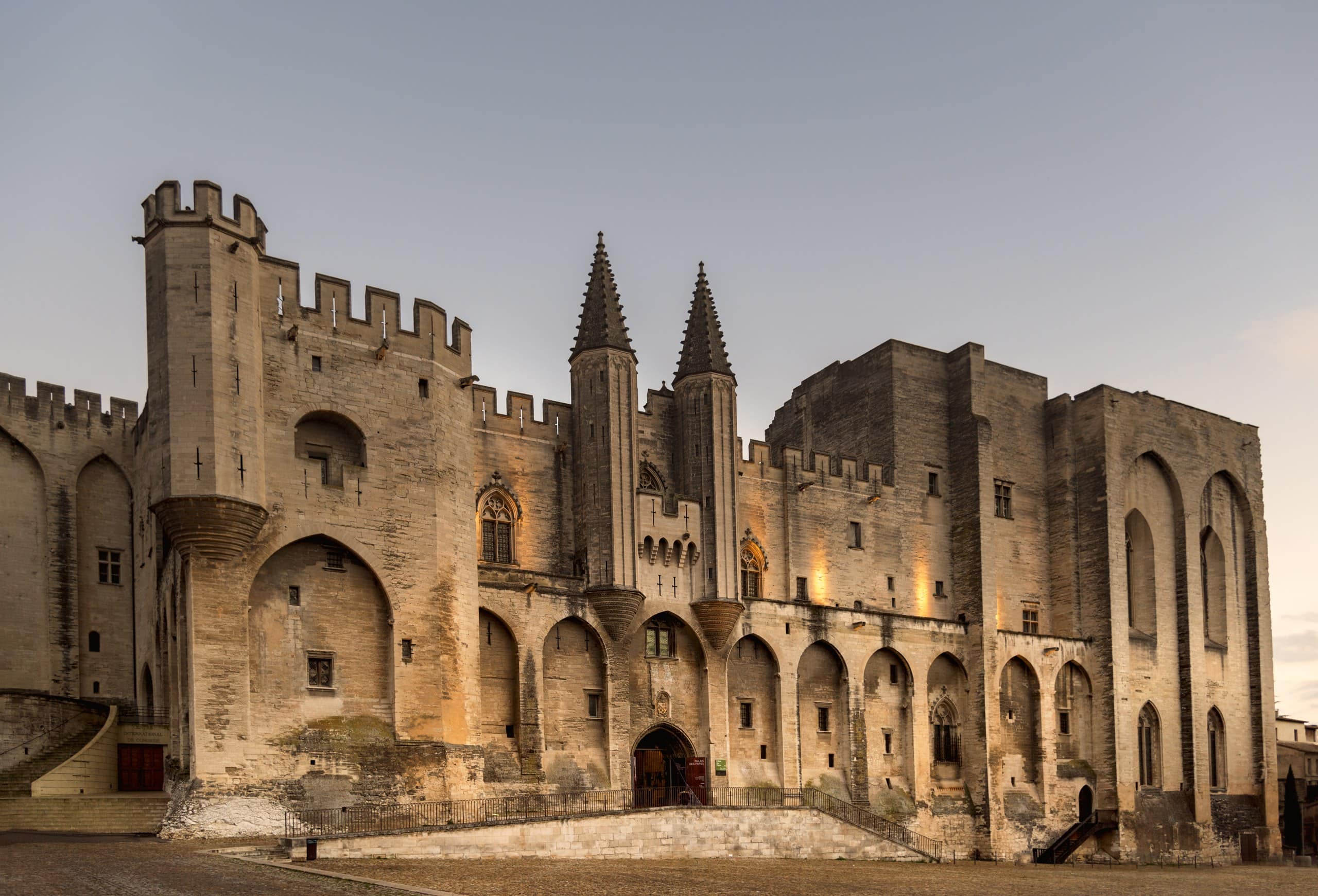
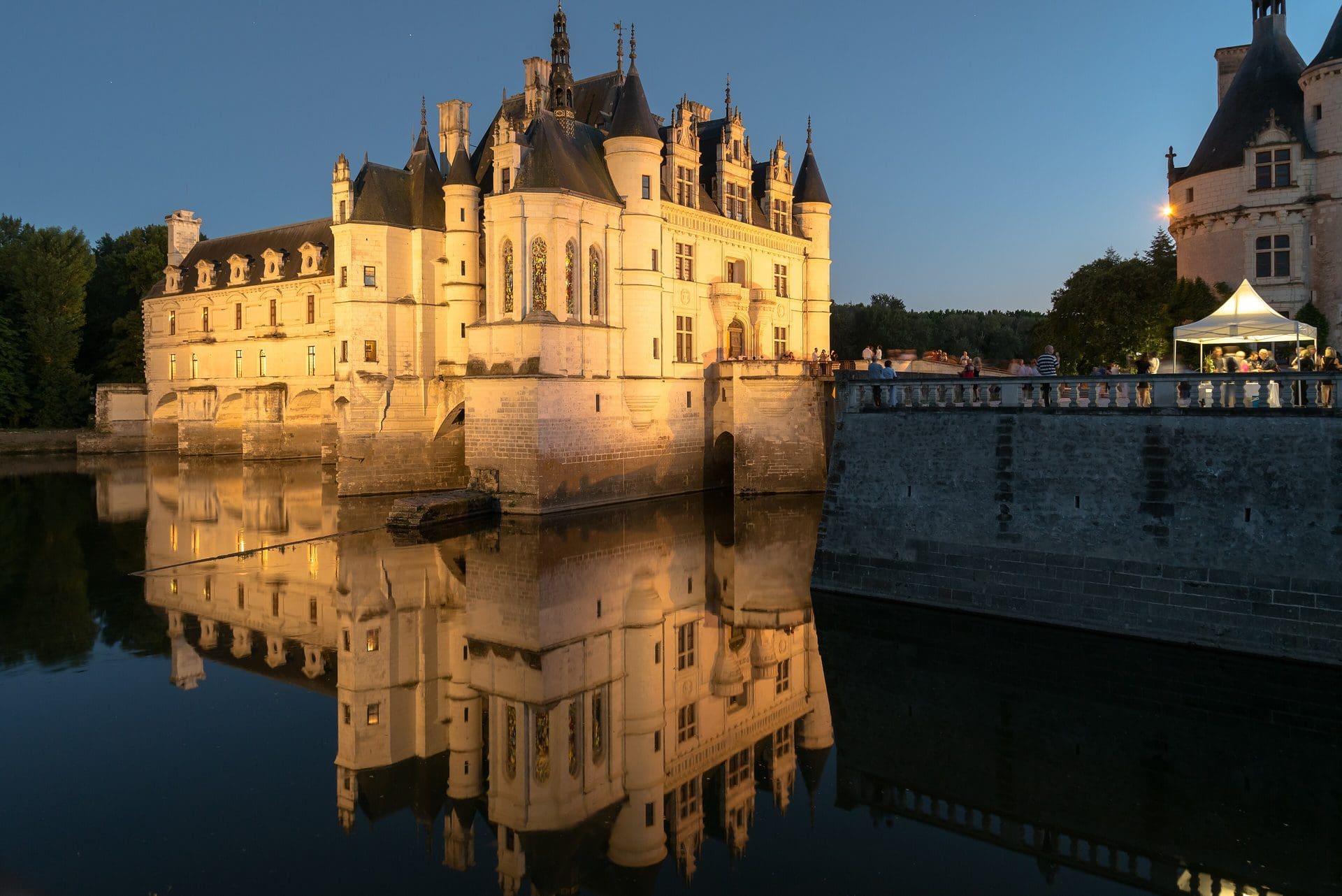
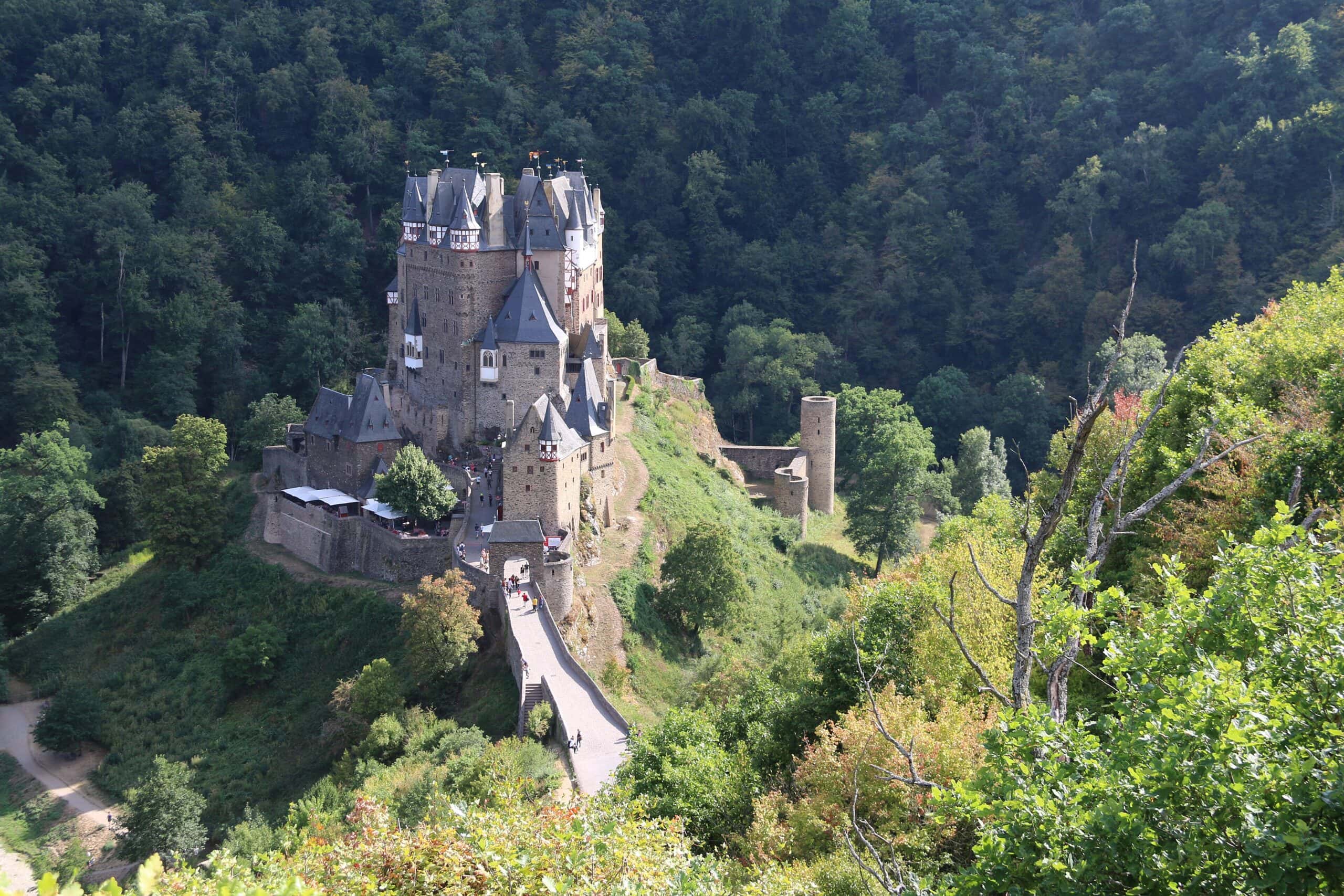
StoneKeep Atlas currently holds 121 castle guides covering France, Germany, Scotland and England, together with regional hubs, thematic collections and long-form history essays. It is written in English. Those are the real numbers, and we would rather state them plainly than gesture at a continent we have not covered yet.
Each guide is built to serve two readers at once: the traveller who needs accurate, practical guidance before a visit, and the curious reader who wants to understand what they are looking at and why it matters. That means history drawn from primary sources rather than recycled tourism copy, architectural context rather than a caption, and an honest account of what survives on the site today, which is often not what the guidebooks describe.
Every substantive article ends with a Principal Sources list naming exactly what it was built from. You are meant to check it.
How We Work
StoneKeep Atlas is independent, self-funded, and editorially the work of one researcher. Articles are published under the StoneKeep Atlas masthead rather than a personal byline, so where this site says “we,” it means the publication and not a staff. No credentials are being claimed here. The case for trusting the site rests on something you can actually check instead: the sources under every article, and the method behind them.
Articles are researched and drafted with the assistance of AI tools, then verified against primary sources and edited by a human before they are published. Nothing goes live unverified. We say so plainly because letting readers assume otherwise would be the dishonest option, and because the method is the reason the articles are worth reading, not a caveat about them.
Facts are traced as far up the chain of authority as they will go: the site operator or owning institution first, then the national heritage authority, then academic literature. Wikipedia is used to find out what a question is, never to answer it, and it is never cited. Our own articles are not a source either, so a figure that appears in one guide is re-checked externally before it is repeated in another. And when two credible sources genuinely contradict each other, we neither pick the convenient one nor split the difference: we say the record is divided, and we show why.
All of this is set out in full, with worked examples of the conflicts we have not resolved, on the editorial standards page.
Where This Is Going
The long ambition is to build the most comprehensive castle reference there is, and eventually to offer it in more than one language. That is a statement of intent, not a description of the site as it stands. Only English exists today; the rest are planned, and they are listed here so you can hold us to them.
Countries are added the same way: slowly, and only once there is enough depth to be worth reading. The next castle matters more than the next country.
If We Get Something Wrong
Castle history is a field where misinformation travels easily, and no amount of care makes a site immune to it. If you spot an error, or you have historical context that would improve an article, the contact page is always open, and a source reference is always welcome. Corrections are made to the article itself, so that the page the next reader lands on is the corrected one. Getting it right matters more than having published it fast.
StoneKeep Atlas is independent and self-funded.
No sponsored content. No invented facts. No shortcuts.