StoneKeep Atlas index
Castle Directory
Browse every castle, palace and fortress StoneKeep Atlas has written a guide to. Filter by place, period, what survives, how you can visit, and the sieges recorded in How Castles Fell.
What the filters mean (opens in a new tab)How Castles Fell: the siege ledgerDownload the Castle Records Dataset
From How Castles Fell: sieges, attempted sieges and forced changes of hands, 1066-1500, that a guide narrates and a source carries. A castle with no entry is not one that was never besieged.
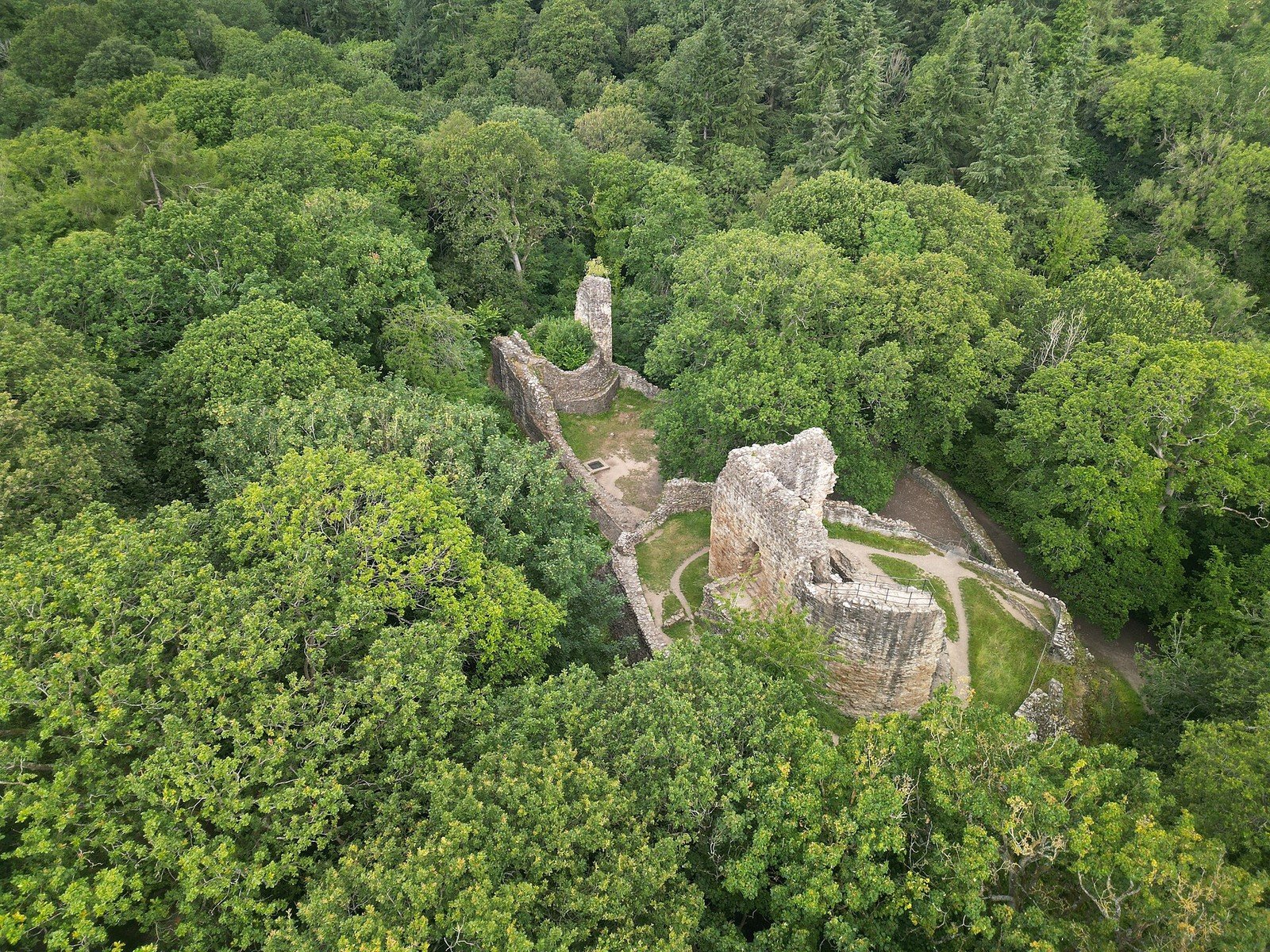
Ewloe Castle
Ewloe Castle, a ruined castle of the princes of Gwynedd in a Flintshire wood, keeps a D-shaped Welsh Tower whose builder is disputed.
SKC-00141 · Ruin · Interior open
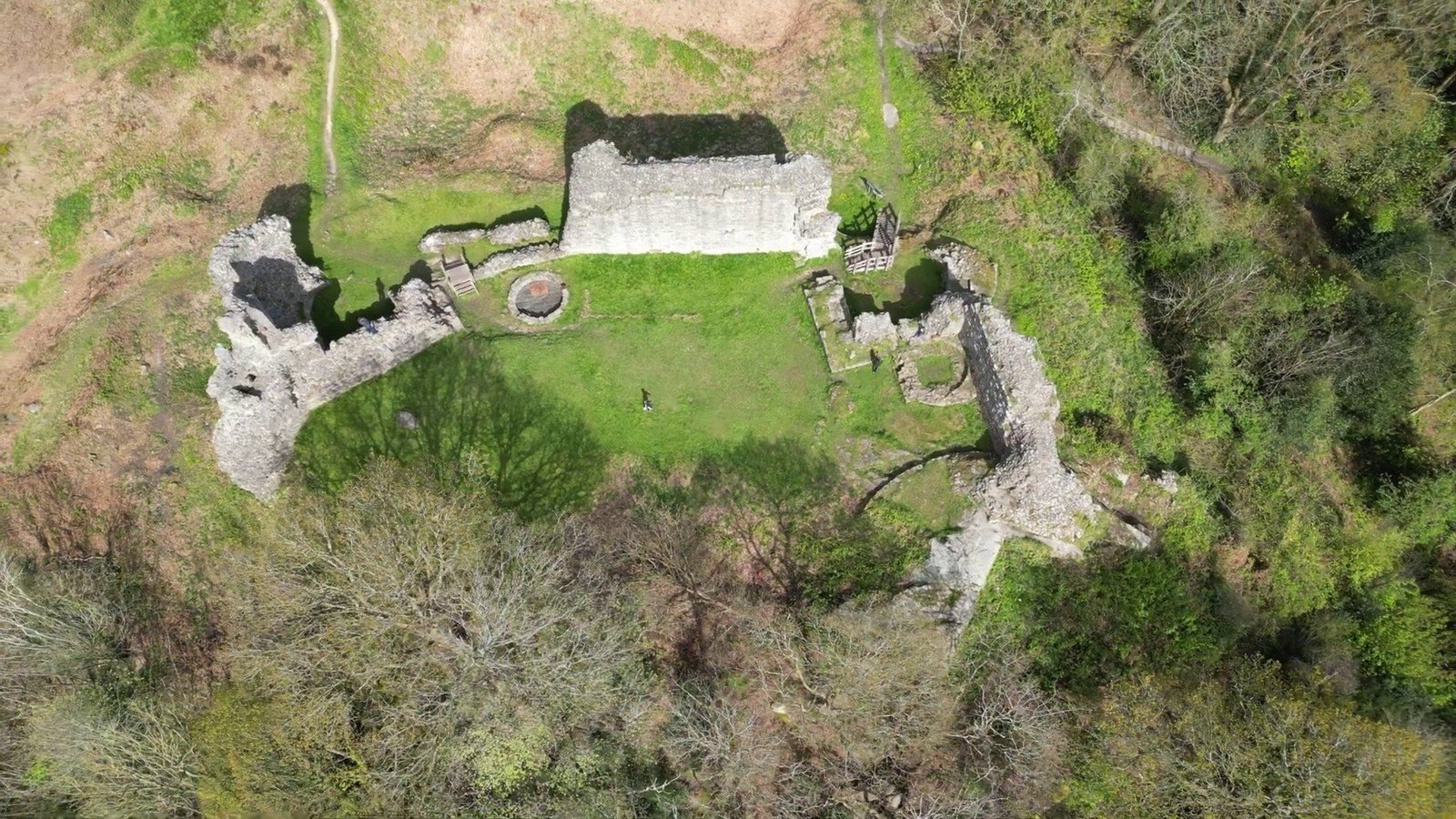
Caergwrle Castle
Caergwrle Castle, begun about 1278 by Dafydd ap Gruffudd on a Flintshire hilltop, was repaired by the Crown in 1282 and left to decay after a fire in 1283.
SKC-00140 · Ruin · Interior open
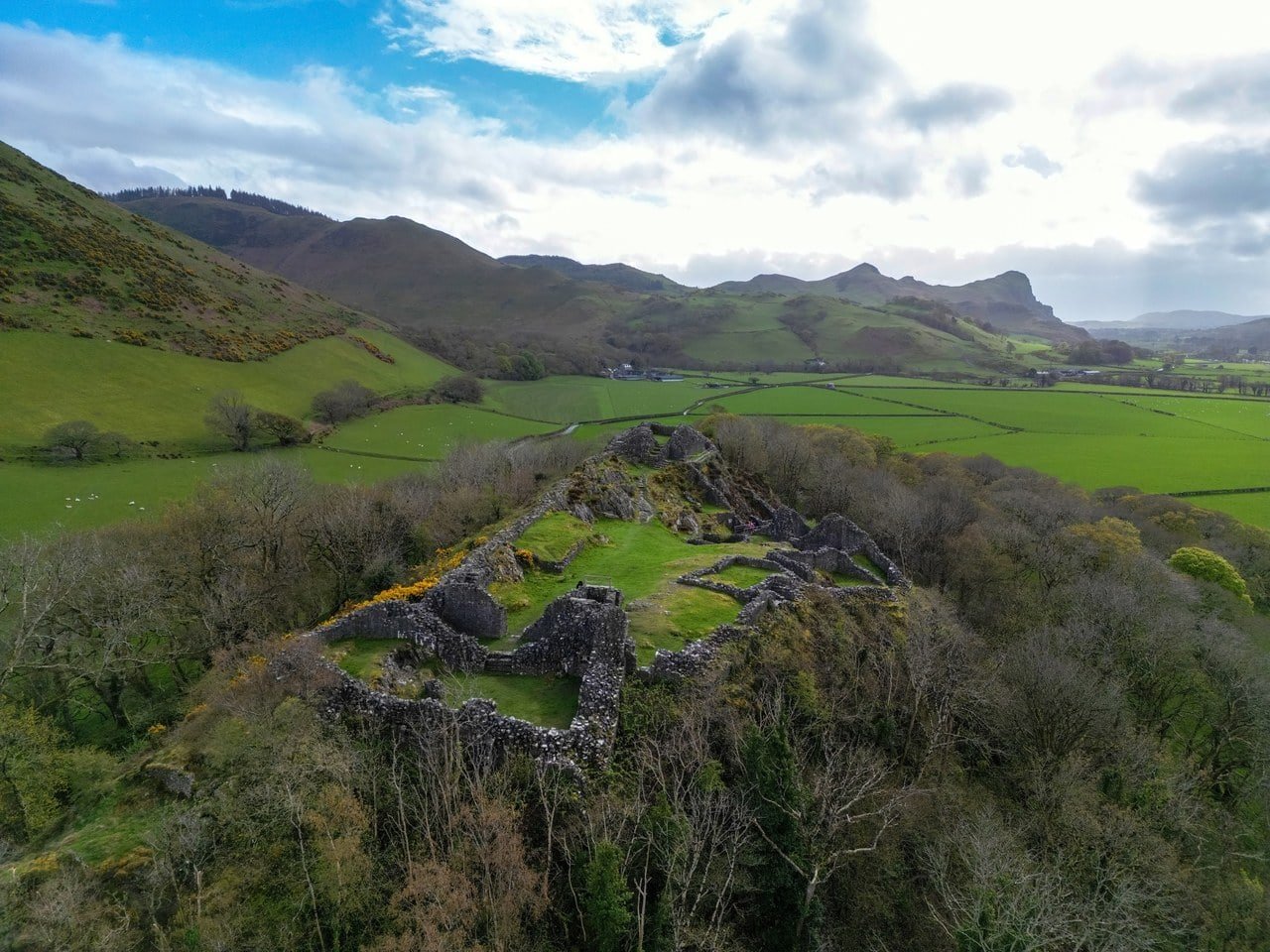
Castell y Bere
Castell y Bere, a ruined native Welsh castle in Gwynedd probably begun in 1221 by Llywelyn ap Iorwerth, fell to English forces on 25 April 1283.
SKC-00139 · Ruin · Interior open
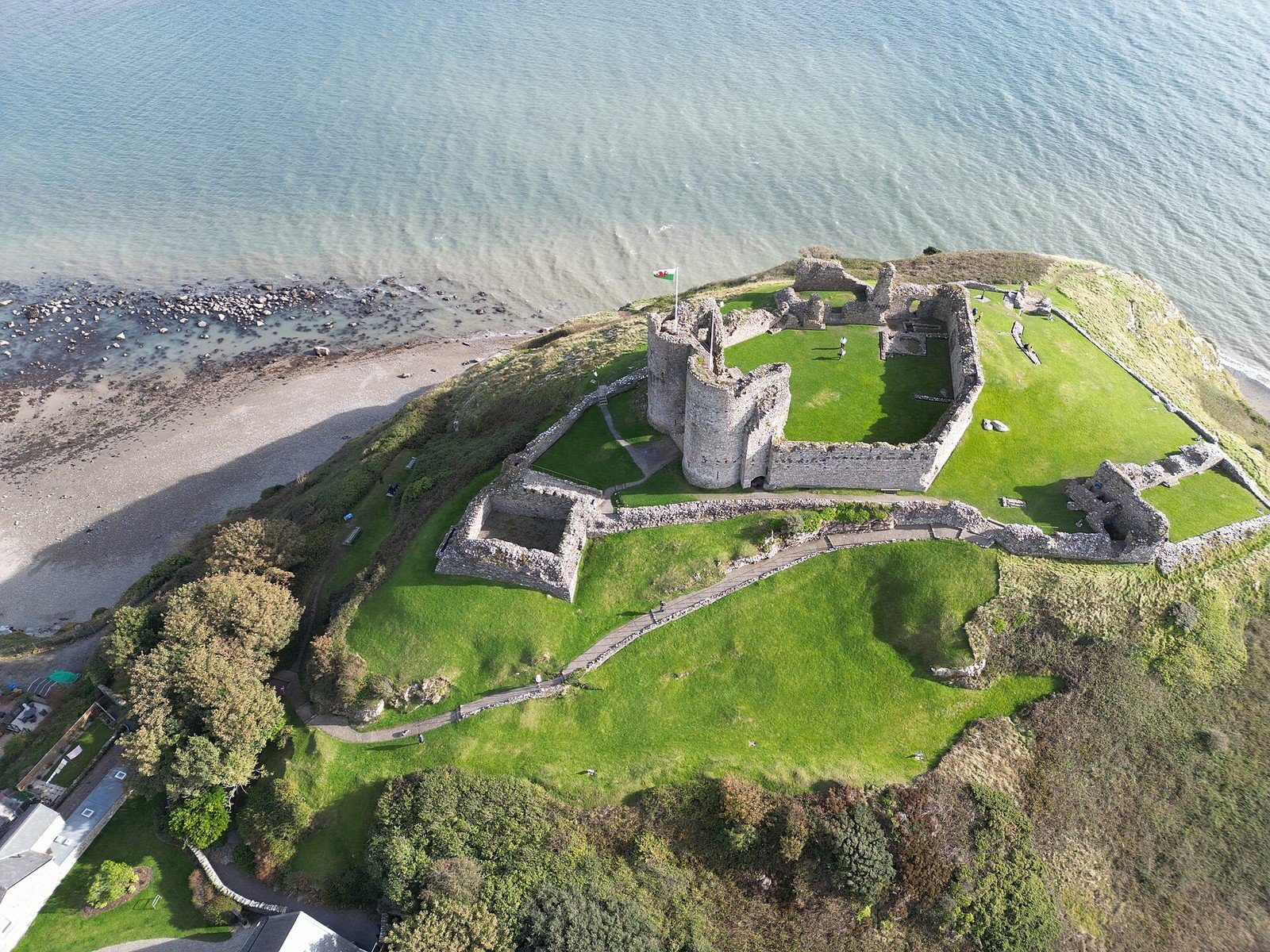
Criccieth Castle
Criccieth Castle, a ruined castle of the princes of Gwynedd on a headland in north-west Wales, was in English hands by 1283 and burned in Glyndŵr’s rising.
SKC-00138 · Ruin · Interior open
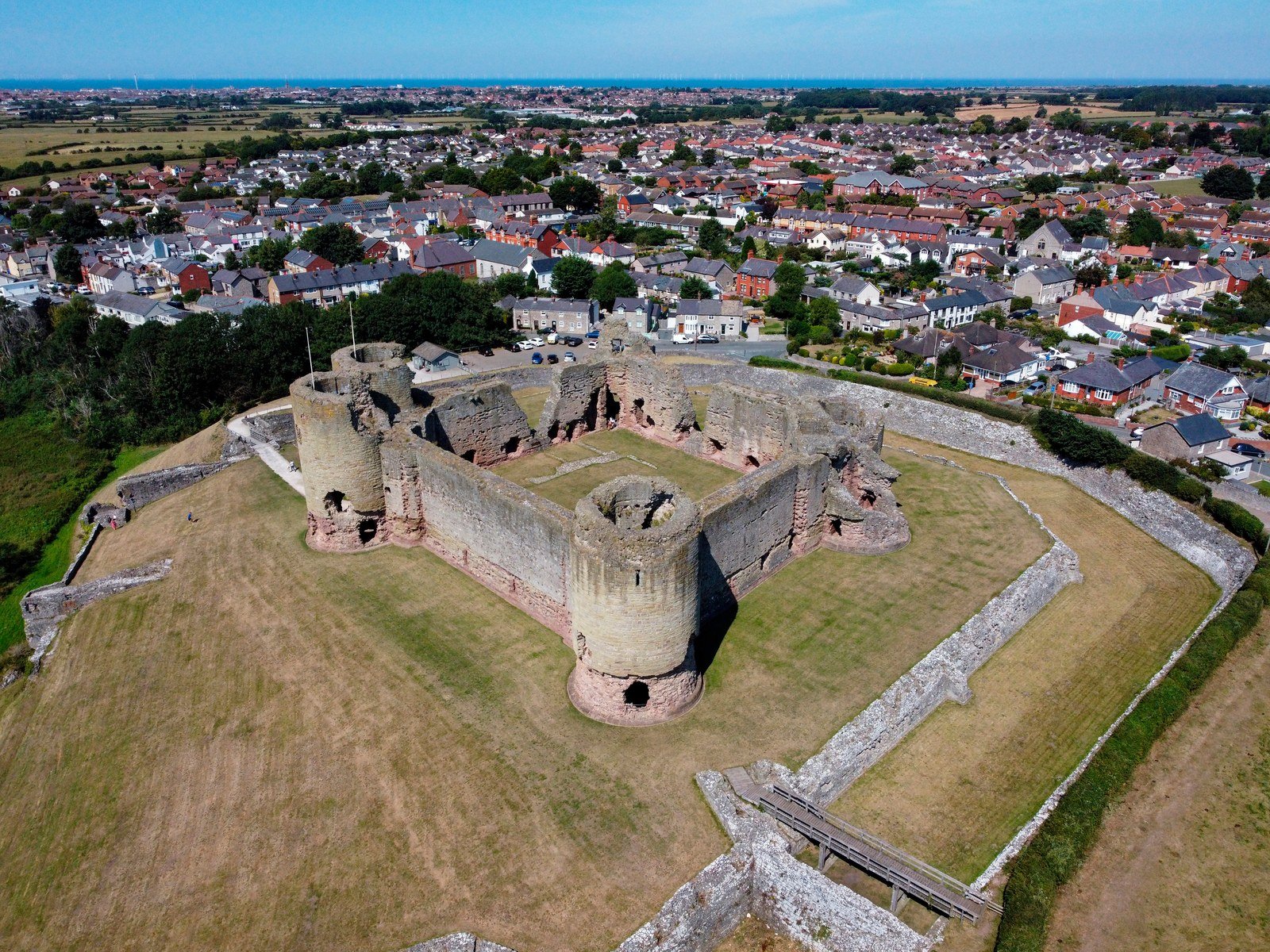
Rhuddlan Castle
Rhuddlan Castle is a ruined castle of concentric plan, begun for King Edward I in 1277 beside the River Clwyd in north Wales.
SKC-00137 · Ruin · Interior open
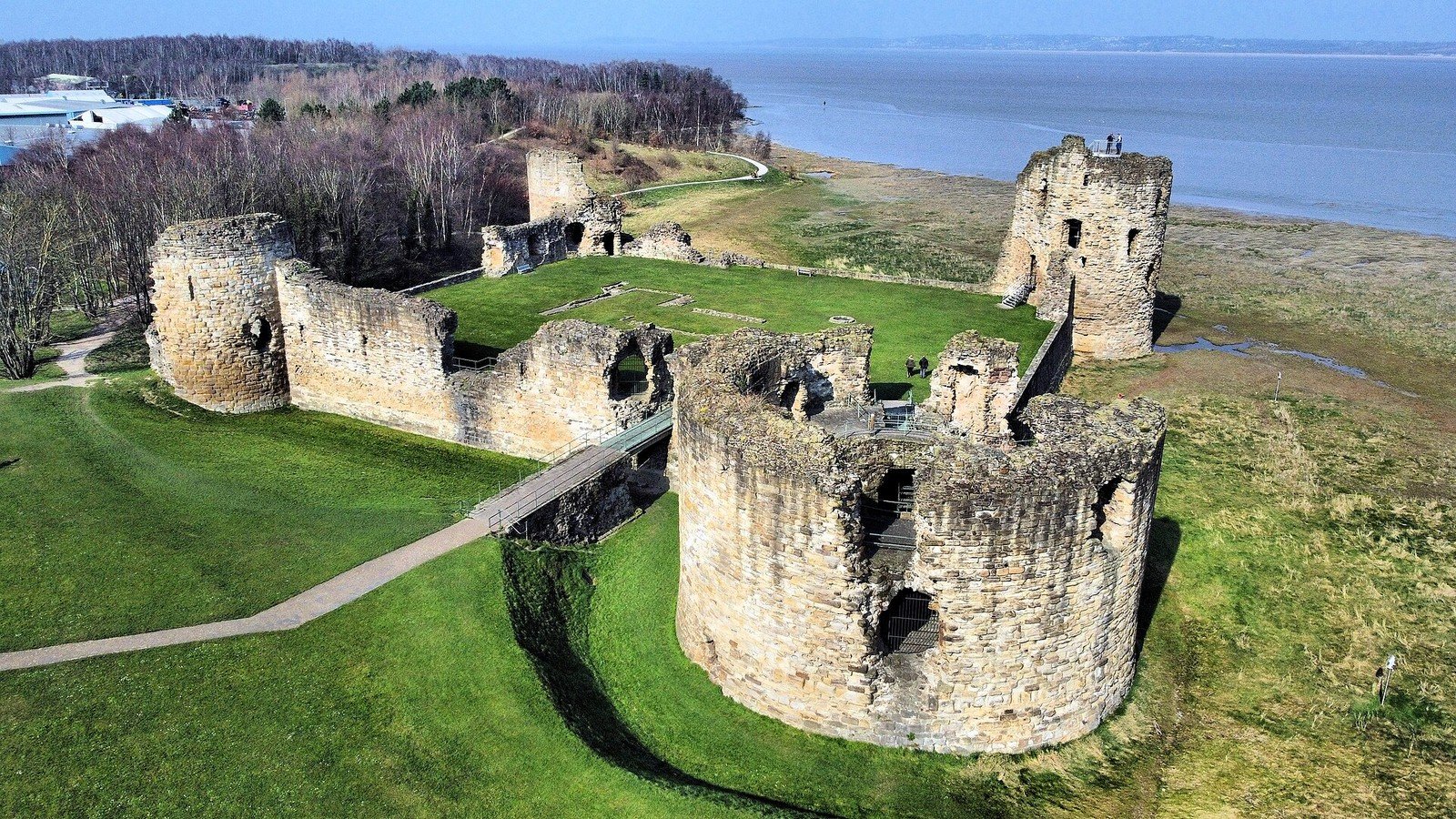
Flint Castle
Flint Castle, begun in 1277 for Edward I on the Dee estuary, is a ruin in Cadw’s care with a great tower set apart behind its own moat.
SKC-00136 · Ruin · Interior open
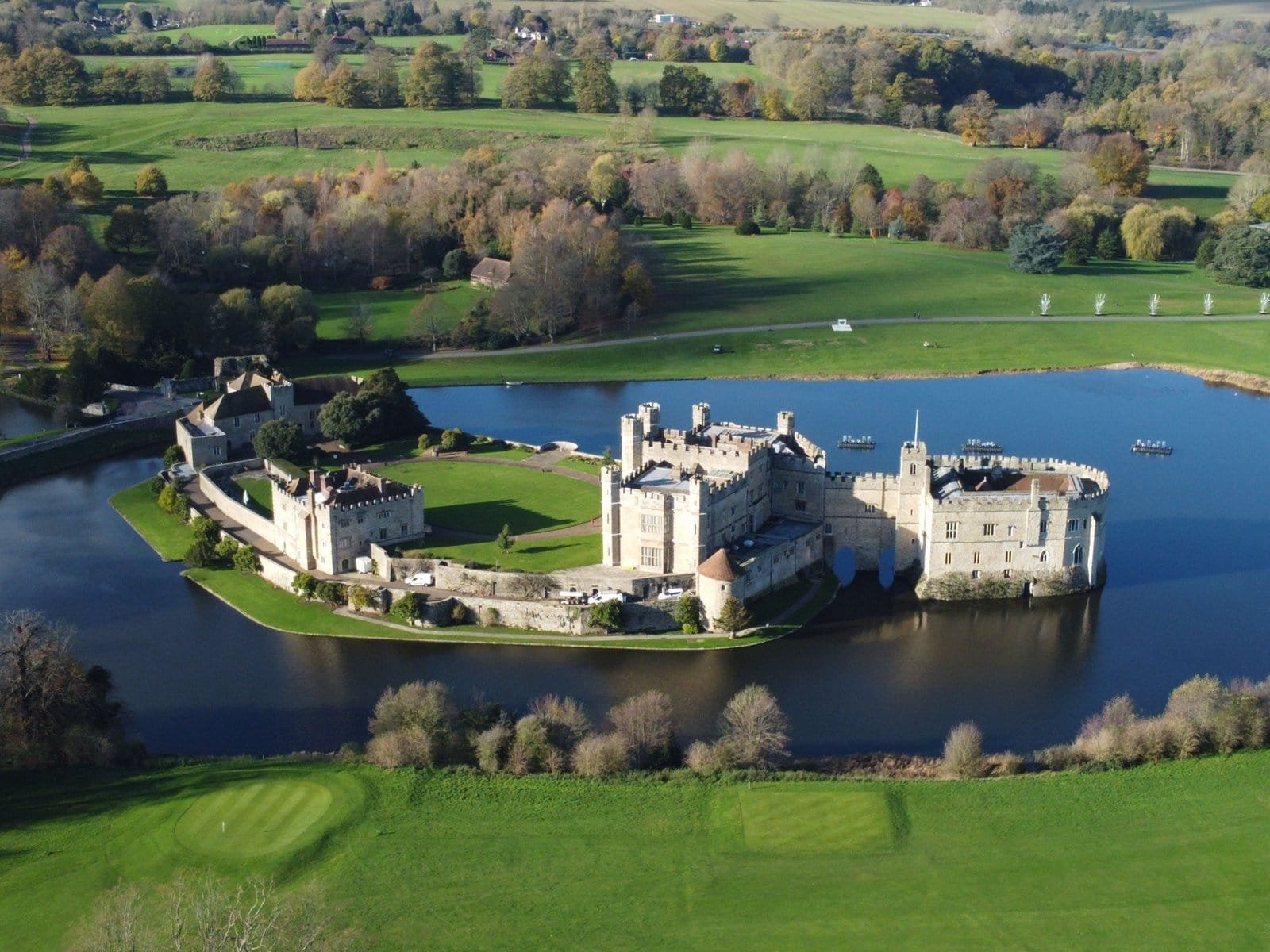
Leeds Castle
Leeds Castle stands on two islands in a moat near Maidstone, Kent. The medieval queens who held it, Henry VIII’s remodeling, Lady Baillie’s rooms: what survives of each, and how to plan a visit.
SKC-00135 · Intact · Interior open · 2 sieges, 1066-1500
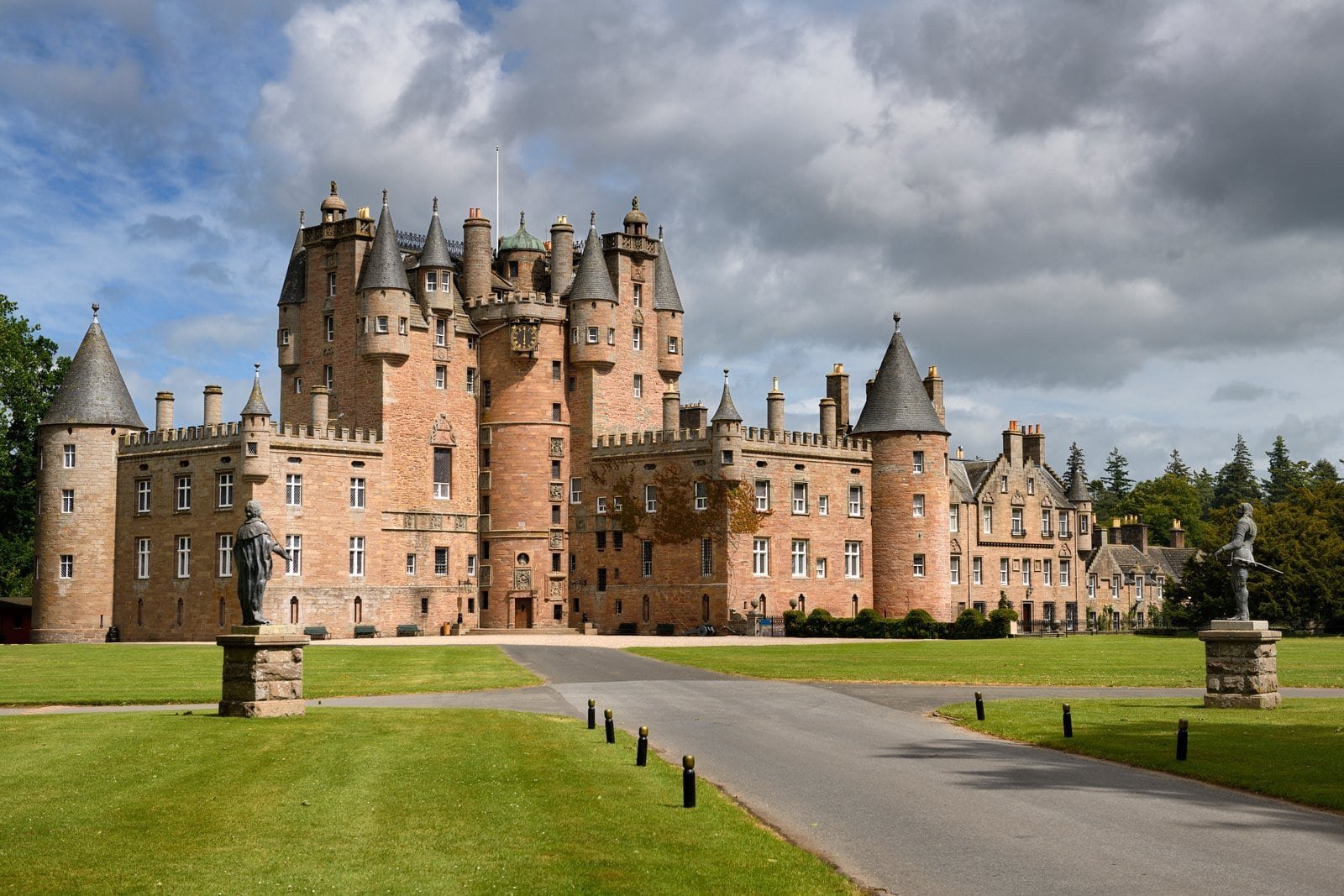
Glamis Castle
Glamis Castle in Angus, where Princess Margaret was born and the future Queen Mother spent part of her childhood: a fifteenth-century tower house, heightened about 1606, with the house remade around it in 1670-1689 by...
SKC-00134 · Intact · Interior by guided tour only
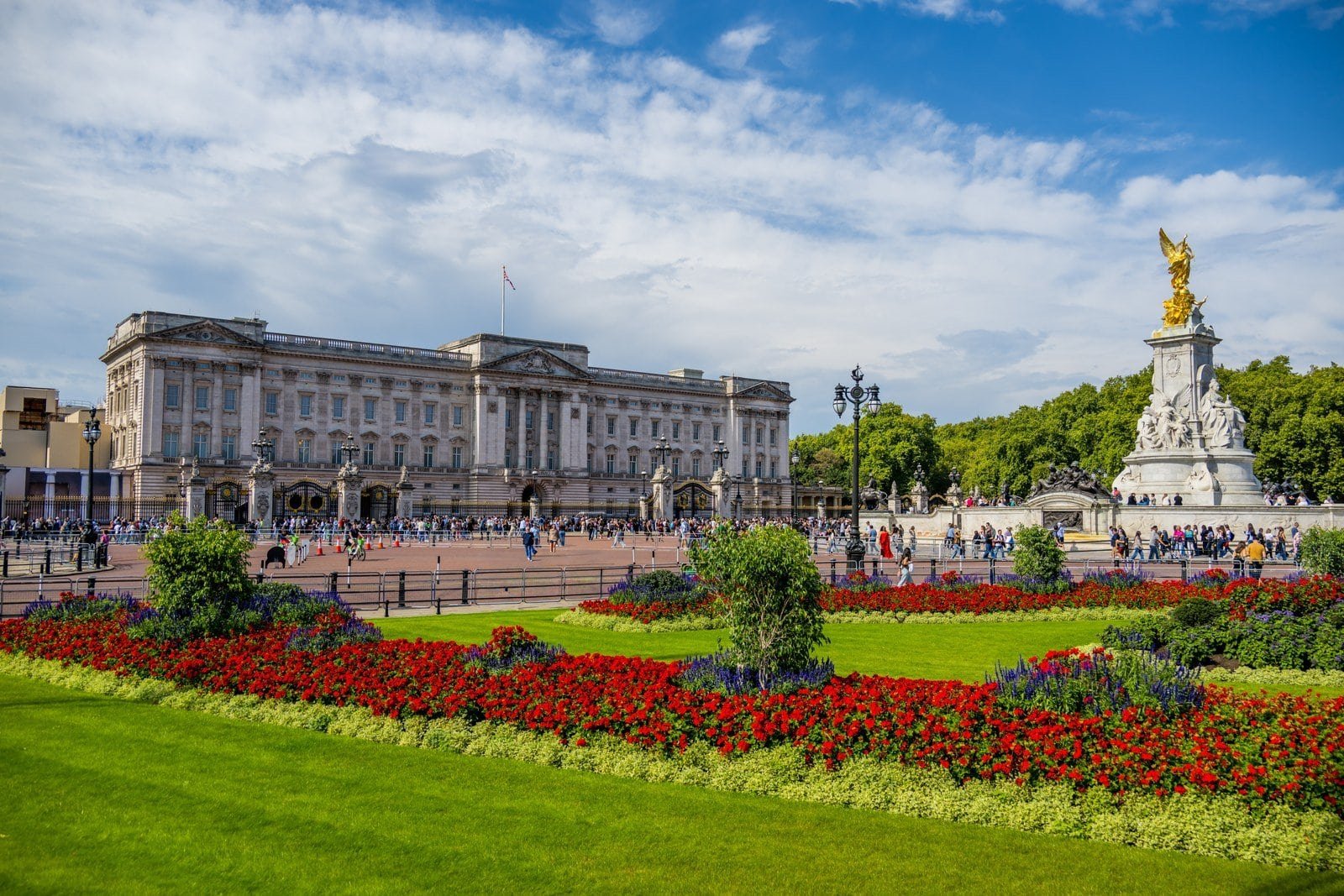
Buckingham Palace
Buckingham Palace began as a duke’s London house of 1705, rebuilt for George IV; its Mall front is Webb’s 1913 refacing of Blore’s east wing. The summer State Rooms, and how to visit.
SKC-00133 · Intact · Interior open
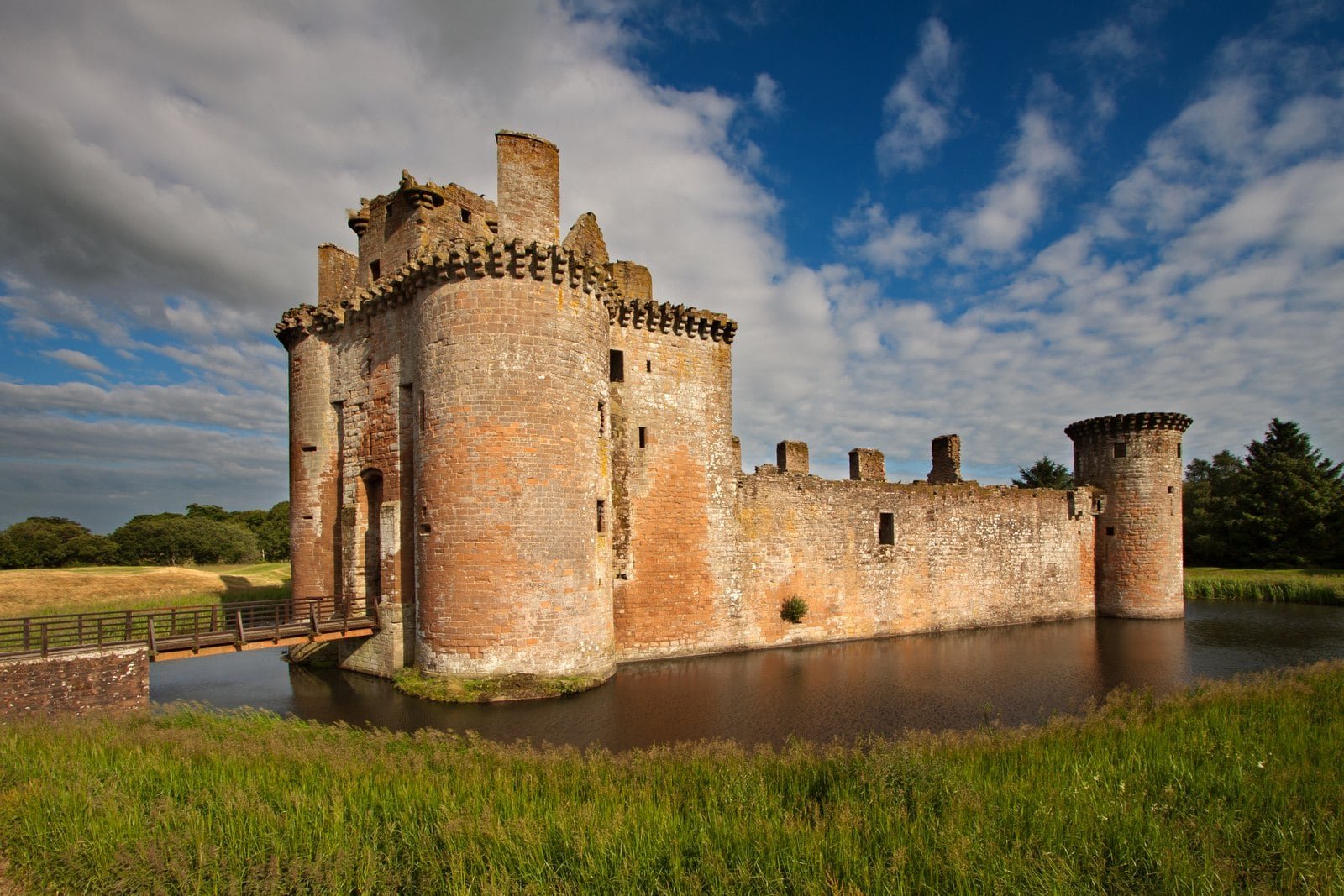
Caerlaverock Castle
A poem of Edward I’s siege of 1300 described Caerlaverock as “formed like a shield”. The triangular castle still sits in its water-filled moat near Dumfries, Scotland, with a Renaissance lodging of the 1630s inside...
SKC-00132 · Ruin · Interior open · 3 sieges, 1066-1500
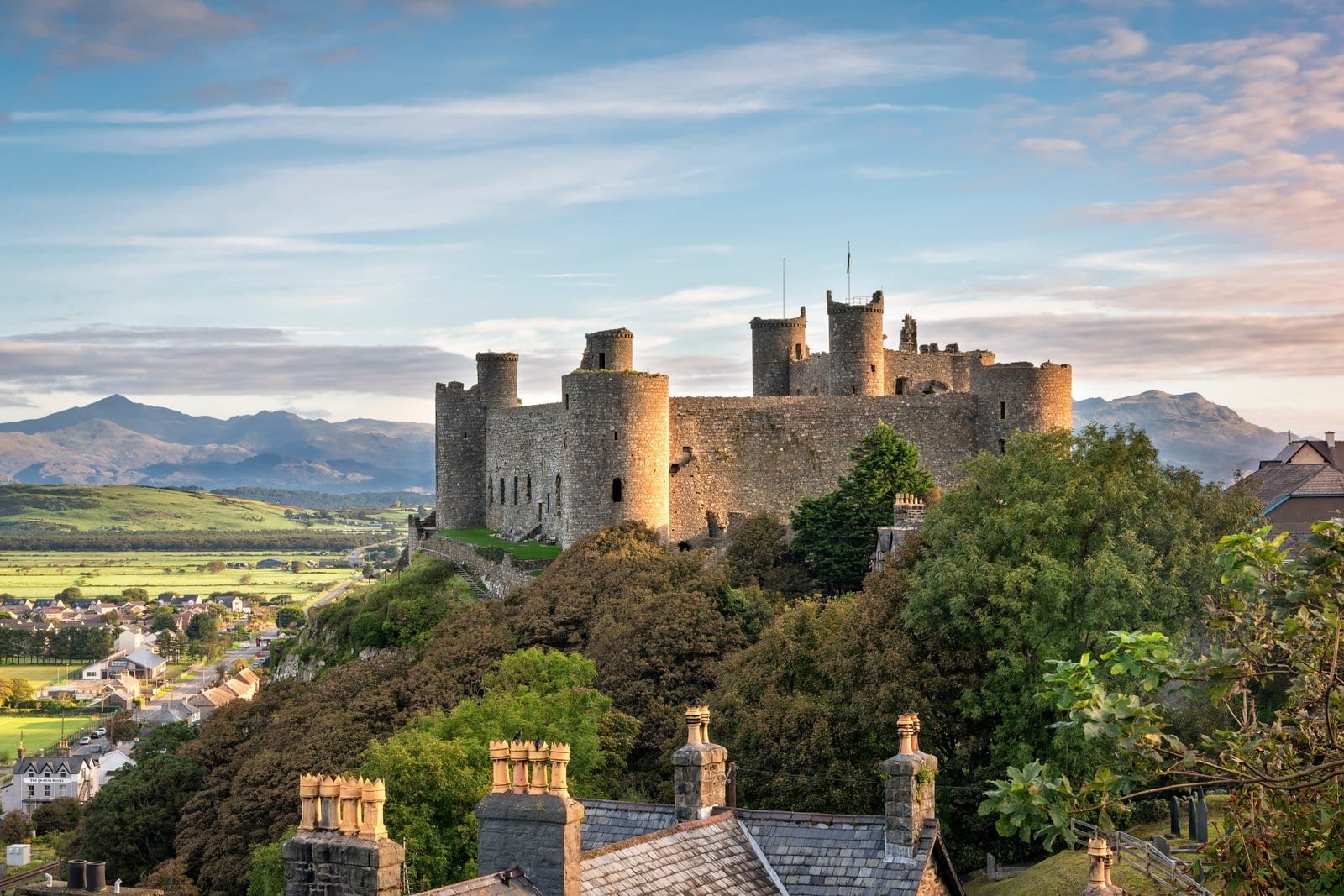
Harlech Castle
Harlech Castle in Gwynedd, north Wales, begun for Edward I in 1283 on a rock above Tremadog Bay: how ships from Ireland kept it supplied in 1295, who held it from Owain Glyndŵr to the...
SKC-00131 · Ruin · Interior open · 5 sieges, 1066-1500
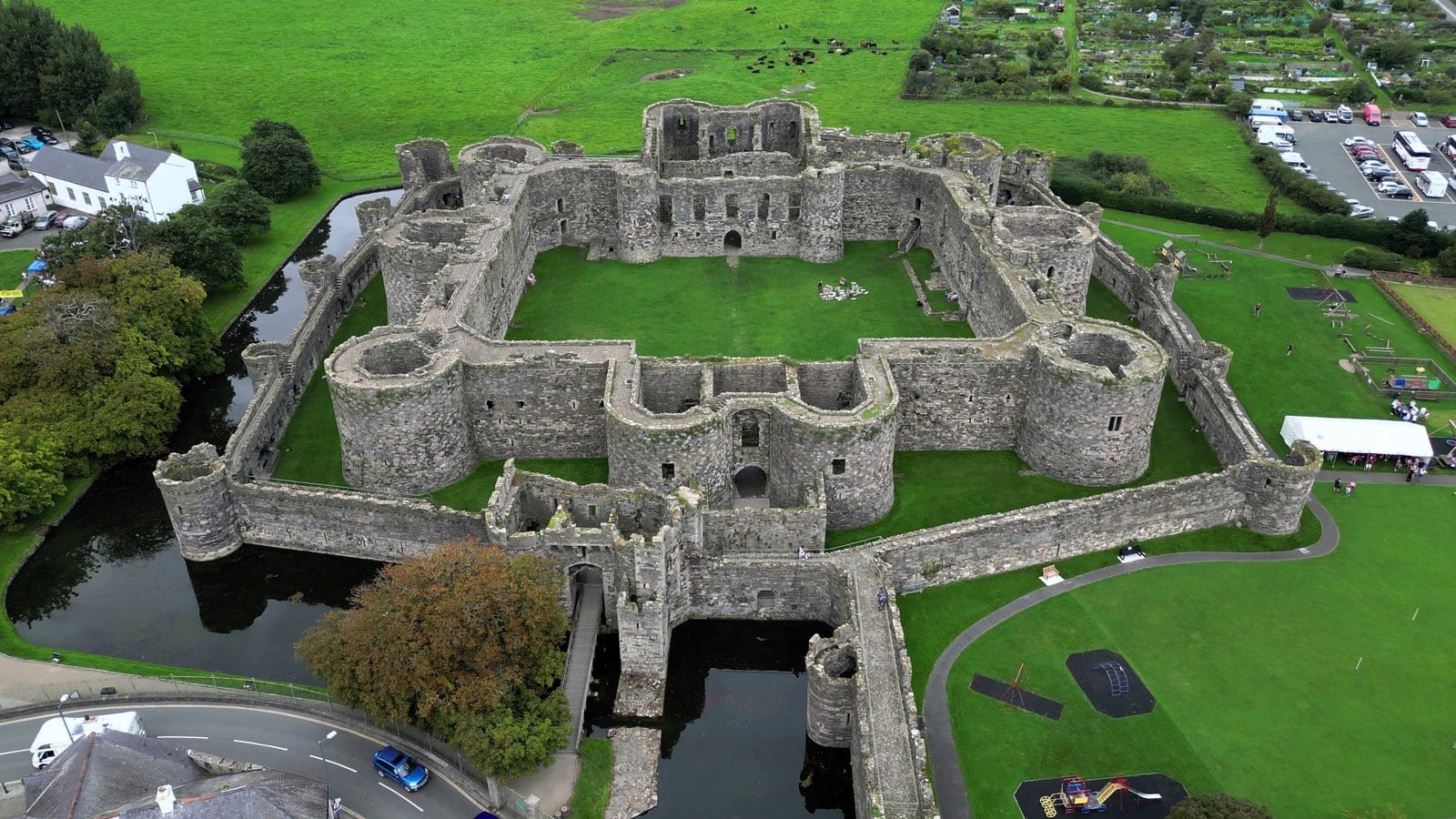
Beaumaris Castle
Beaumaris Castle, Castell Biwmares, was begun for King Edward I in April 1295 beside the Menai Strait on Anglesey and never finished, famous in Cadw’s words as “the greatest castle never built.” The last royal...
SKC-00130 · Ruin · Interior open · 1 siege, 1066-1500
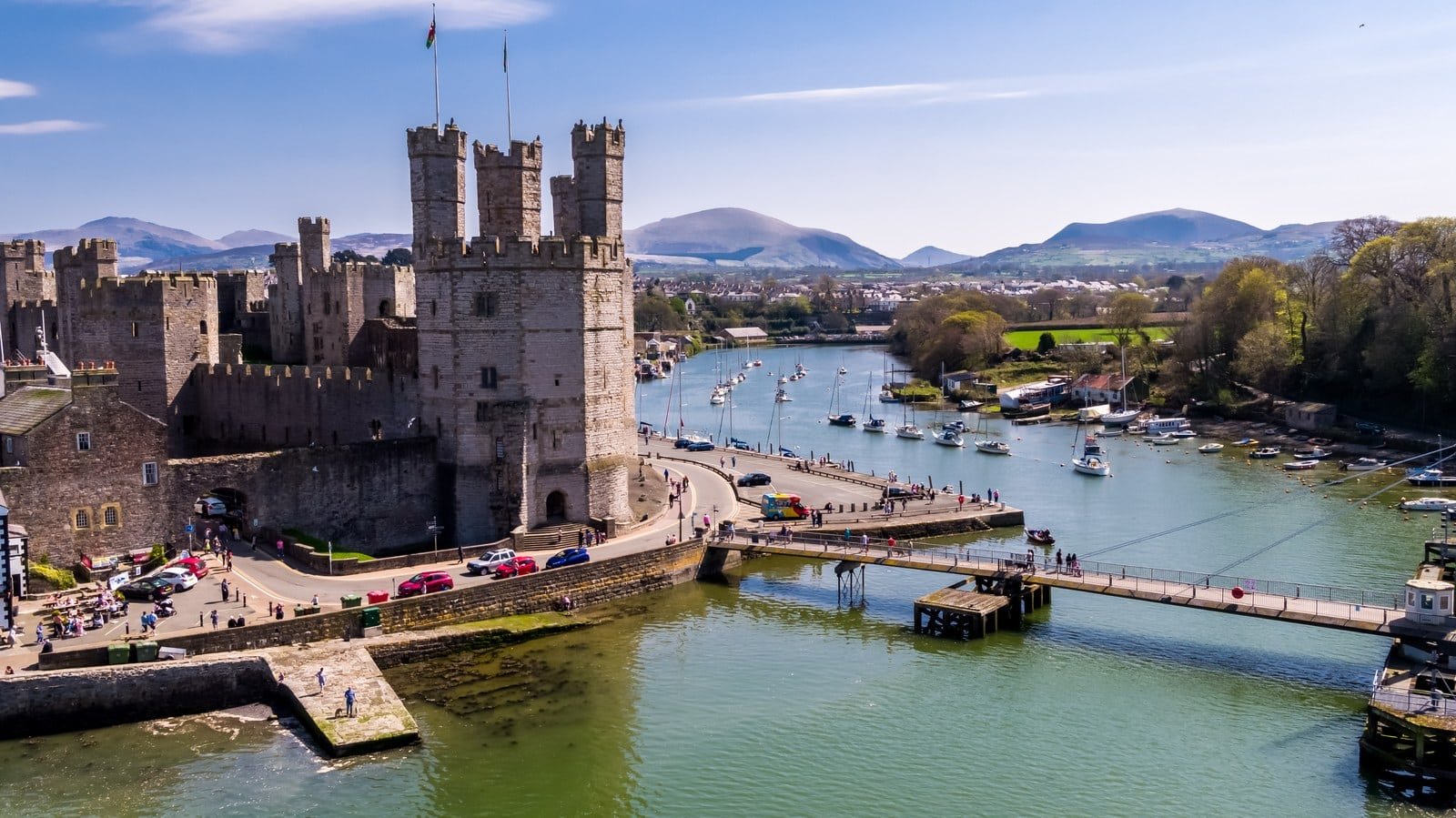
Caernarfon Castle
Caernarfon Castle, on the Menai Strait at the mouth of the Seiont in Gwynedd, north Wales, was begun by Edward I in 1283 as a fortress, palace and seat of government, and it was never...
SKC-00129 · Ruin · Interior open · 5 sieges, 1066-1500
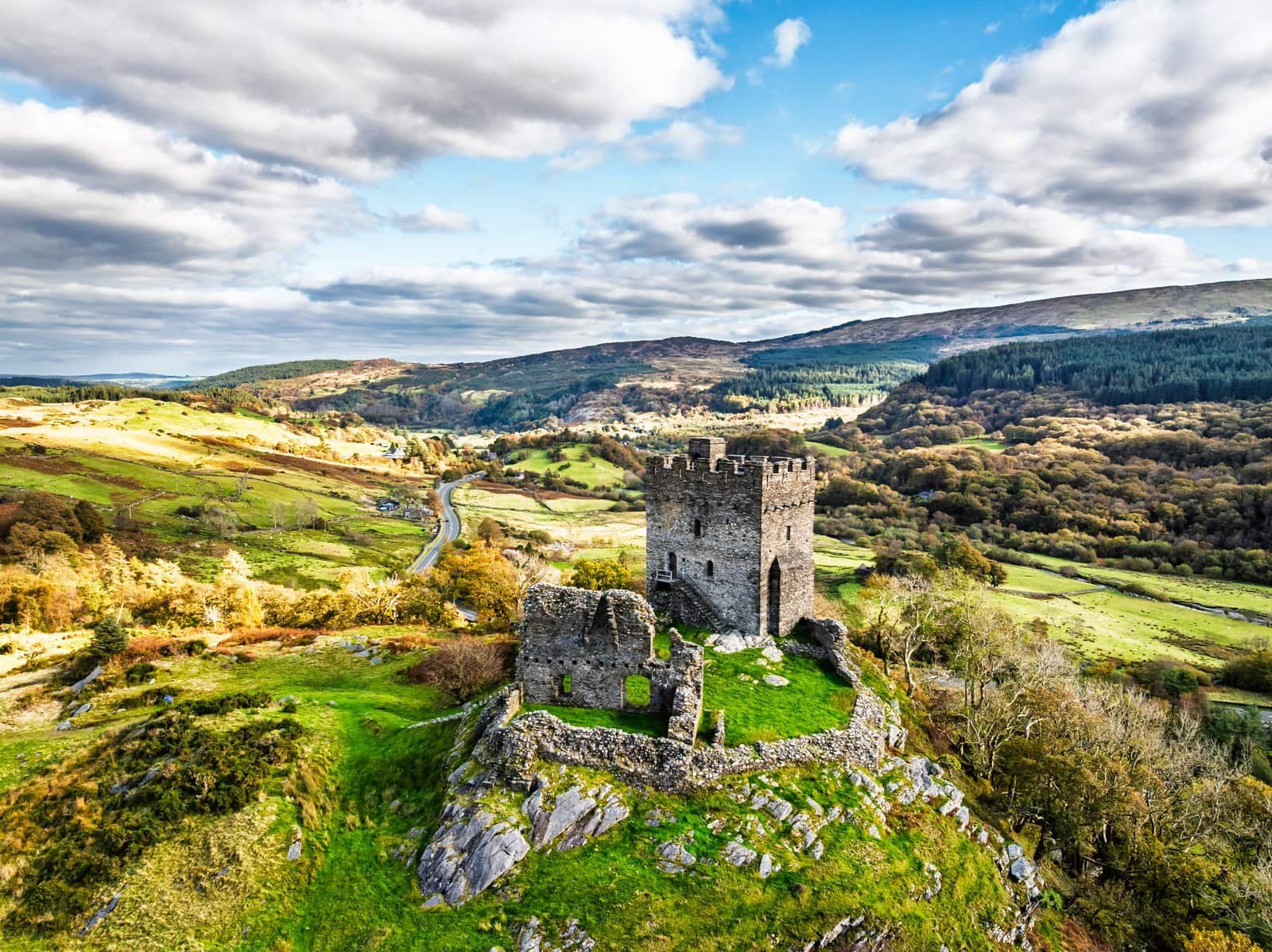
Dolwyddelan Castle
Dolwyddelan Castle, on a rocky knoll above the Lledr valley in Eryri (Snowdonia), north Wales, is a native Welsh castle whose rectangular keep Cadw credits to Llywelyn ap Iorwerth, probably between 1210 and 1240. The...
SKC-00128 · Ruin · Interior open · 1 siege, 1066-1500
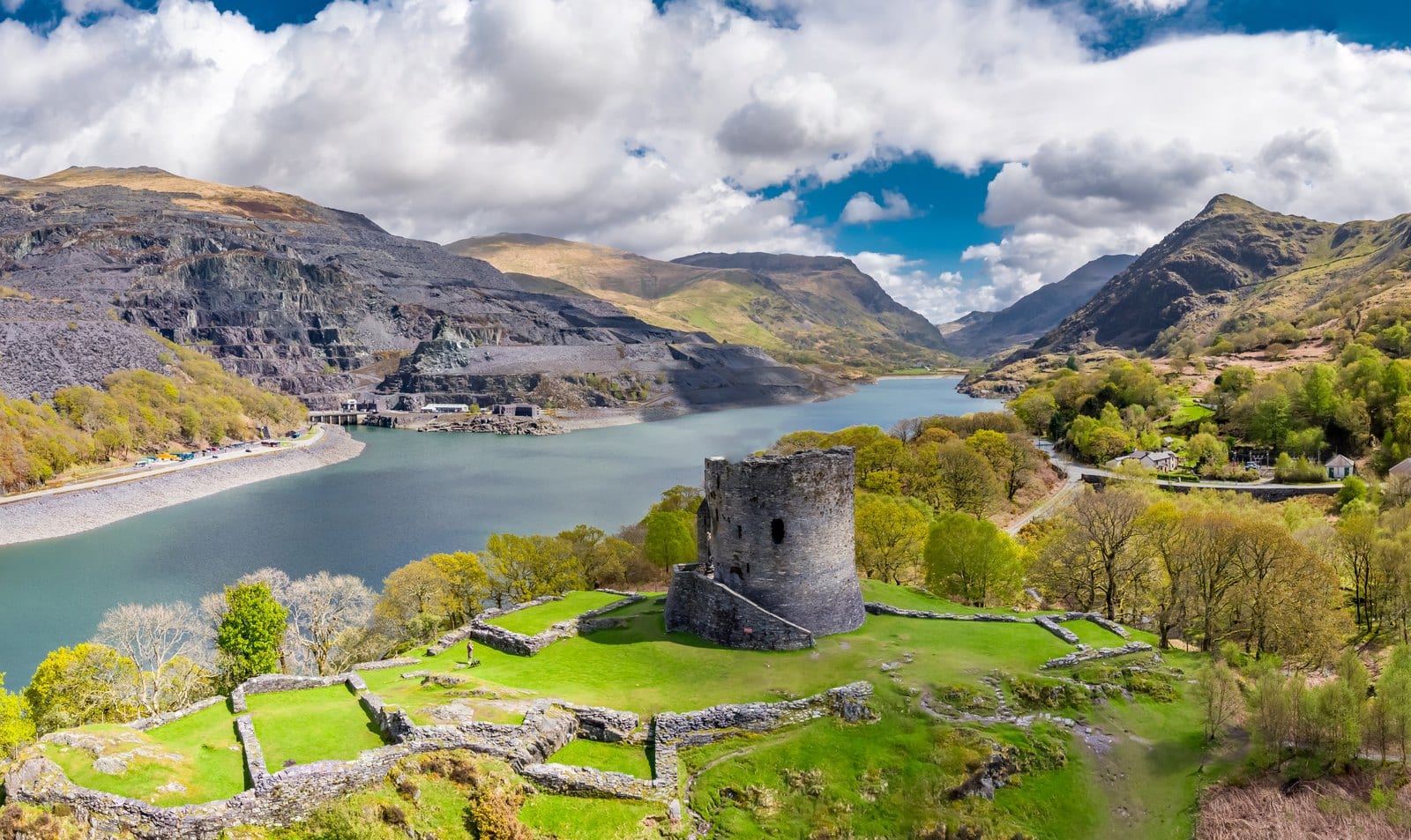
Dolbadarn Castle
Dolbadarn Castle, a roofless round tower and the footings of its enclosure on a ridge between two lakes in north Wales, is the subject of Turner’s Royal Academy Diploma Work. Cadw names Llywelyn ap Iorwerth...
SKC-00127 · Ruin · Interior open · 1 siege, 1066-1500
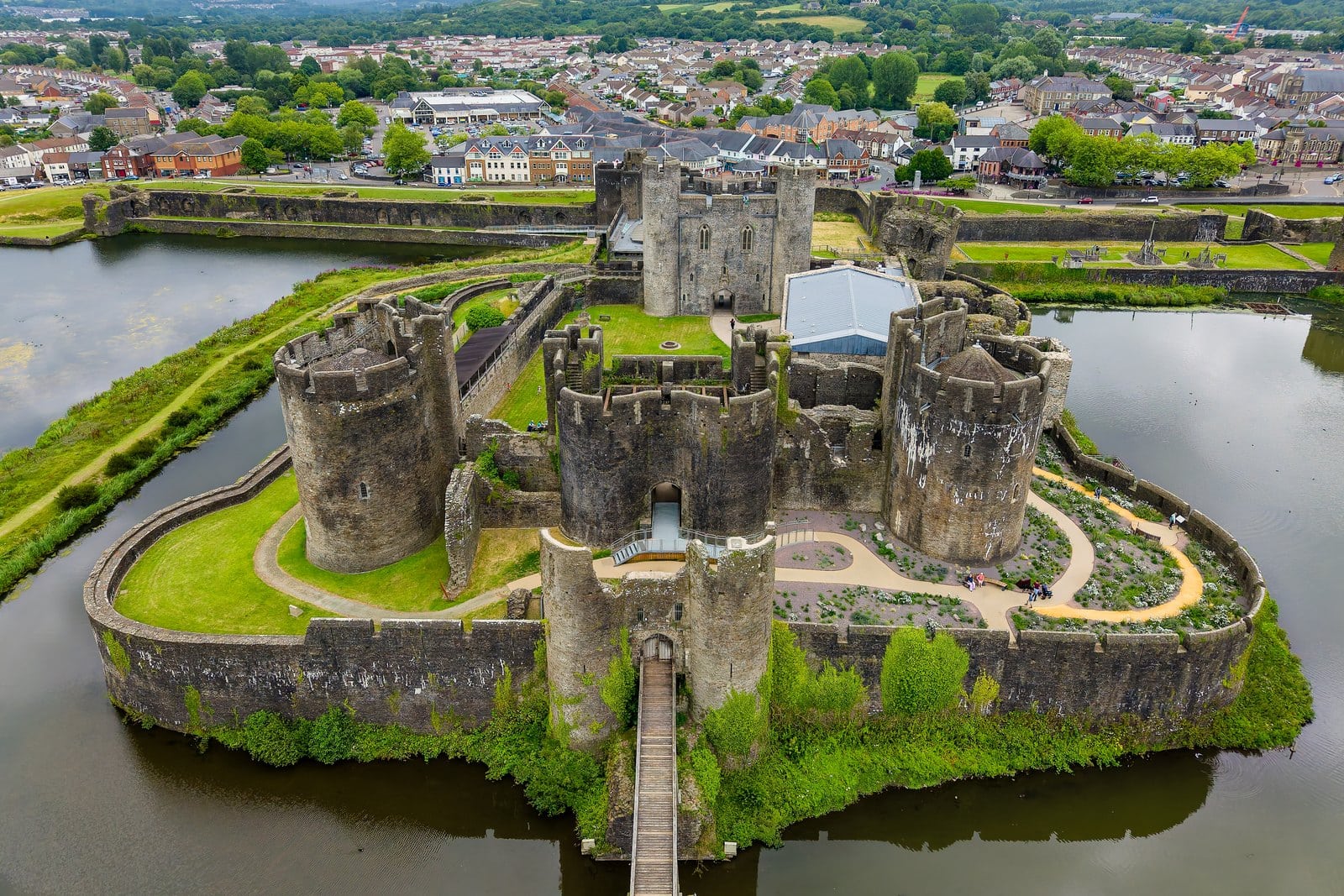
Caerphilly Castle
Begun in 1268 by Gilbert de Clare against Llywelyn ap Gruffudd, Caerphilly Castle in south Wales is a concentric castle in artificial lakes, much of it rebuilt in 1928-39, its leaning tower left unrestored.
SKC-00126 · Ruin · Interior open · 5 sieges, 1066-1500
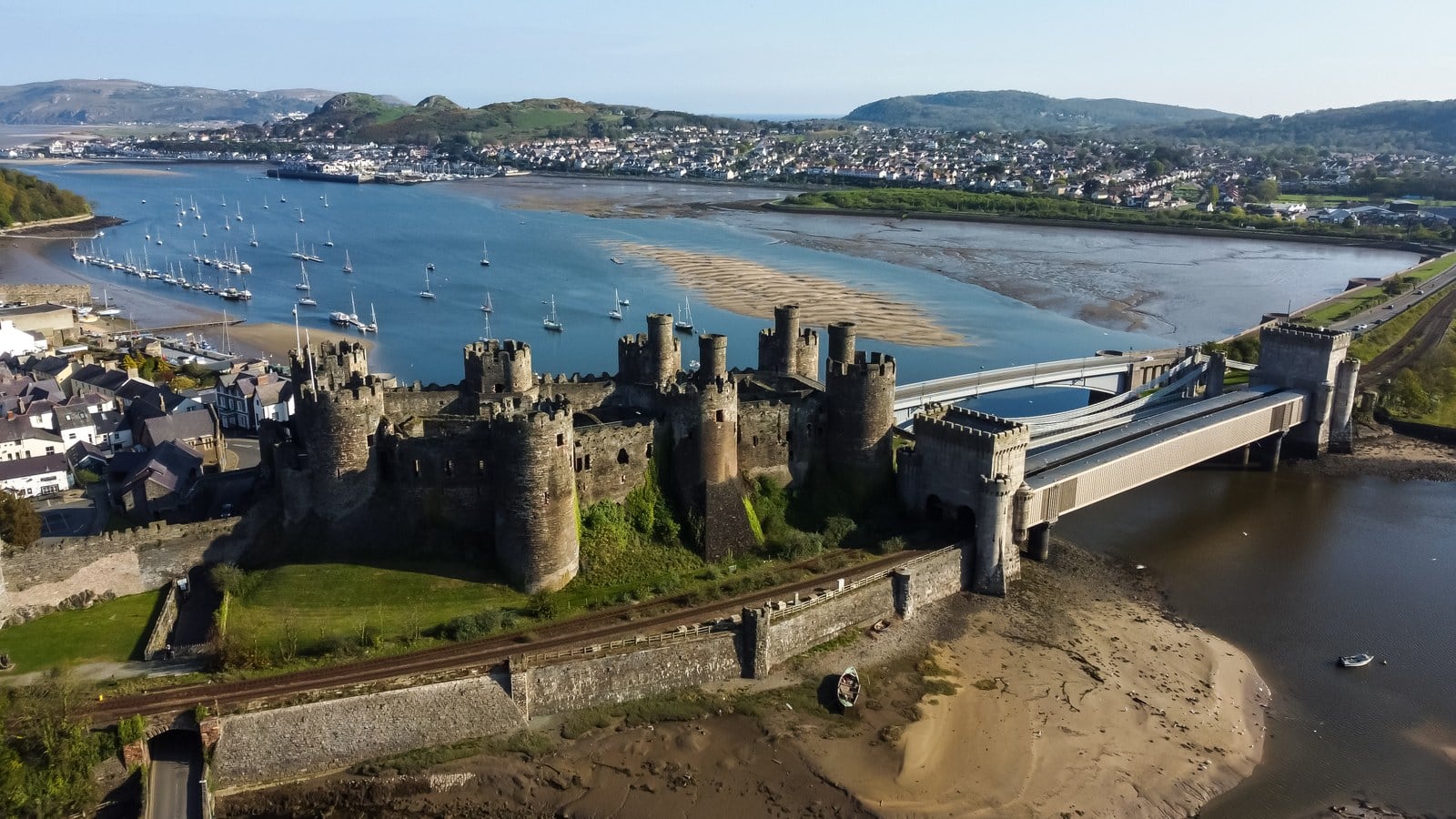
Conwy Castle
Begun by Edward I in 1283 as one work with its walled town, Conwy Castle in north Wales is a roofless royal castle repaired in plain sight, and part of the World Heritage Site “Castles...
SKC-00125 · Ruin · Interior open · 2 sieges, 1066-1500
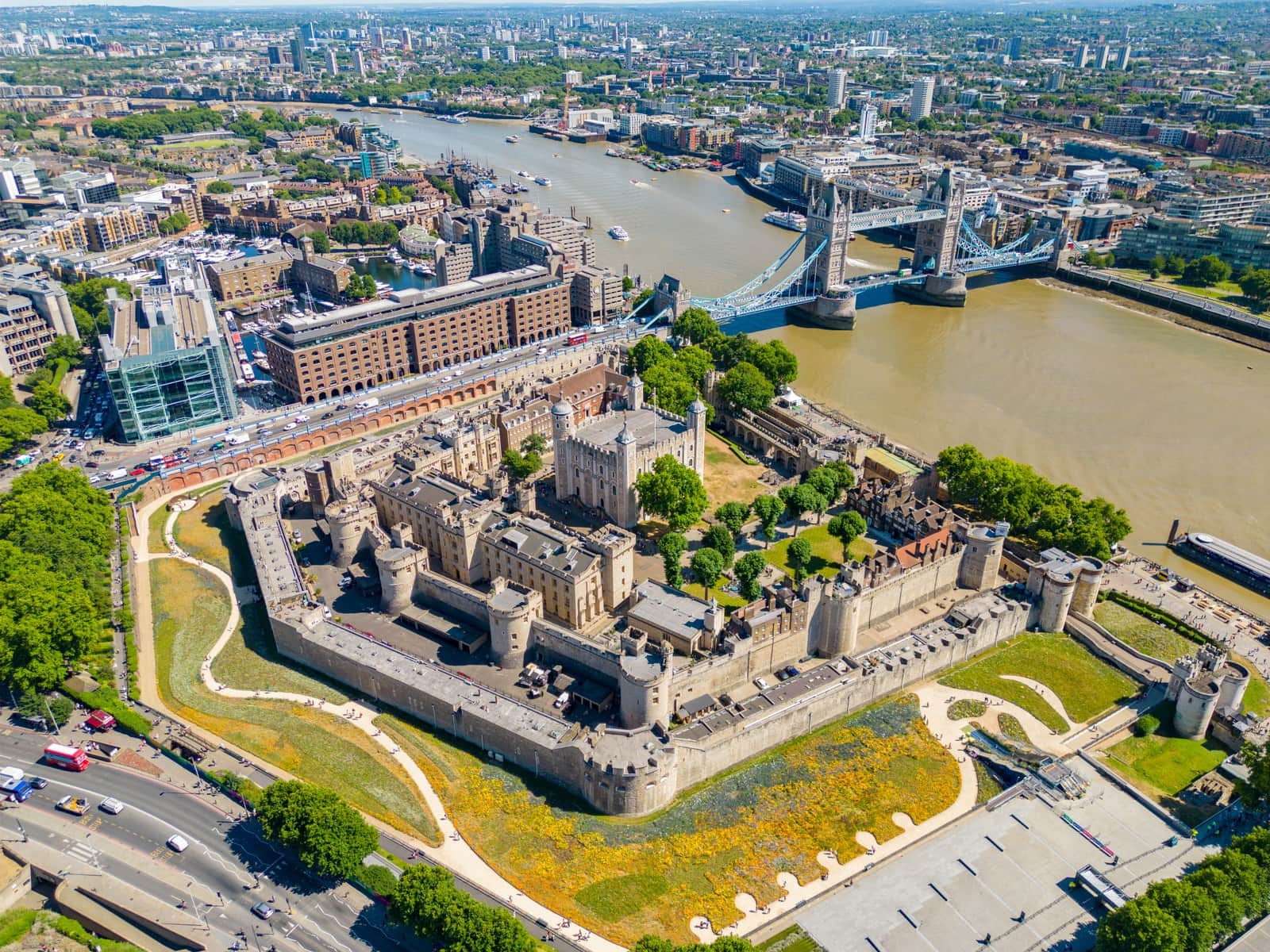
Tower of London
The Tower of London, an unoccupied royal palace still garrisoned and locked every night: the White Tower begun in the 1070s, the walls and moat of Henry III and Edward I, the Crown Jewels, the...
SKC-00124 · Intact · Interior open · 1 siege, 1066-1500
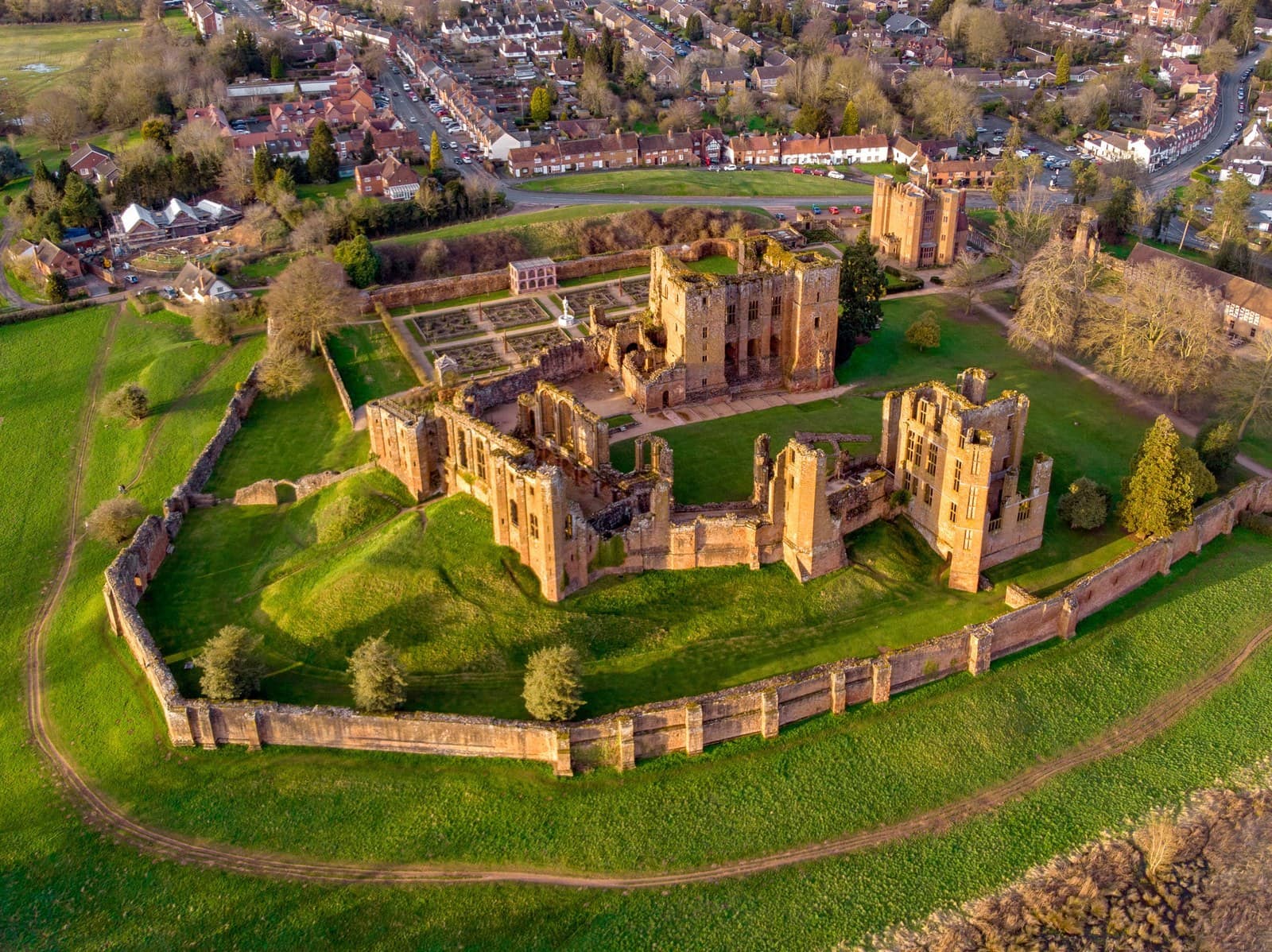
Kenilworth Castle
Kenilworth Castle: a great tower probably of the 1120s, a 172-day siege in 1266, Elizabeth I’s 1575 visit and the 1649 order to make it untenable. What survives, the re-created garden and how to visit.
SKC-00123 · Ruin · Interior open · 1 siege, 1066-1500
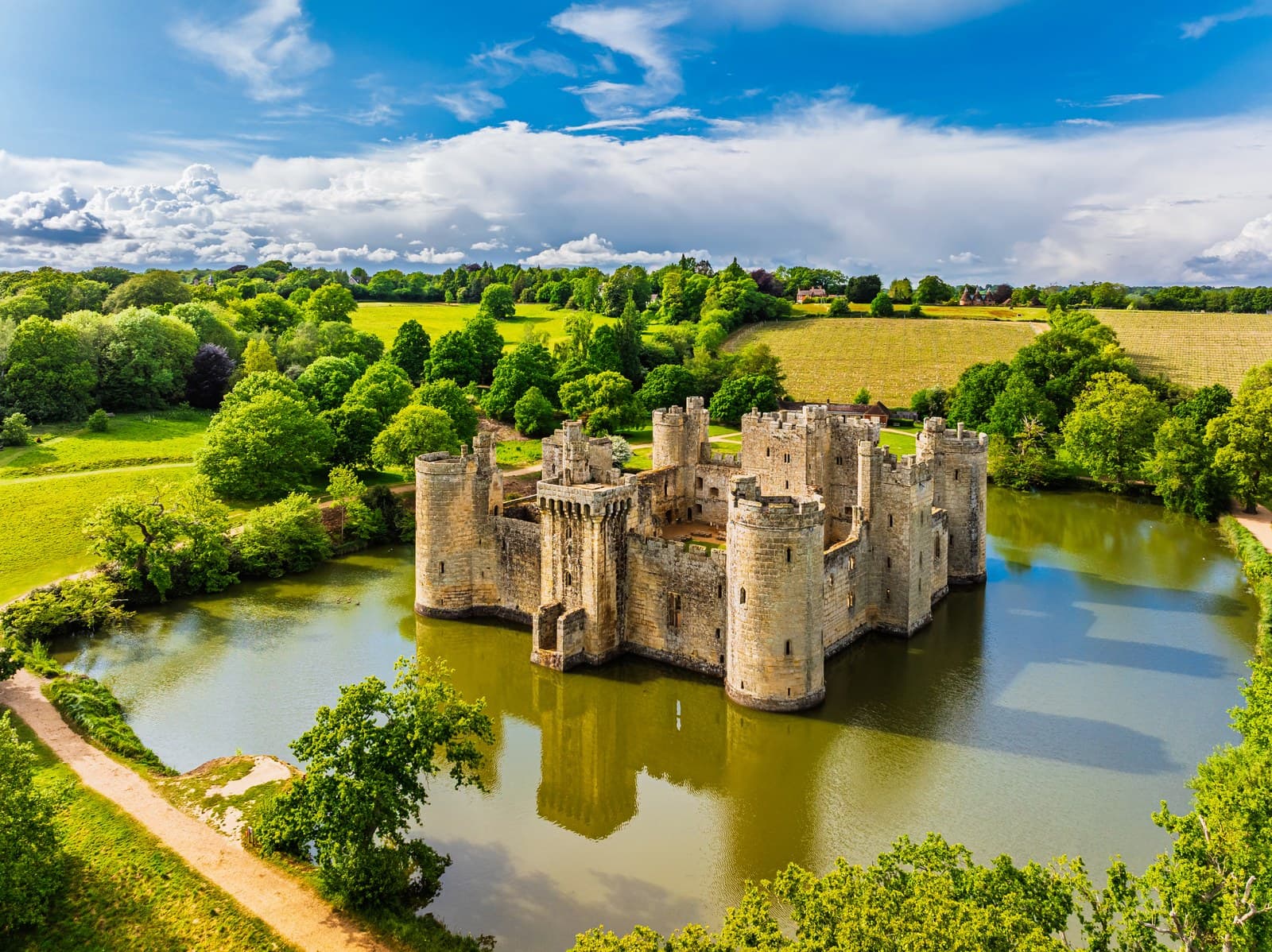
Bodiam Castle
From across its moat Bodiam Castle looks complete; inside, it is a shell. Licensed in 1385 to Sir Edward Dallingridge, the East Sussex castle has divided historians for decades: built to fight or impress?
SKC-00122 · Ruin · Interior open
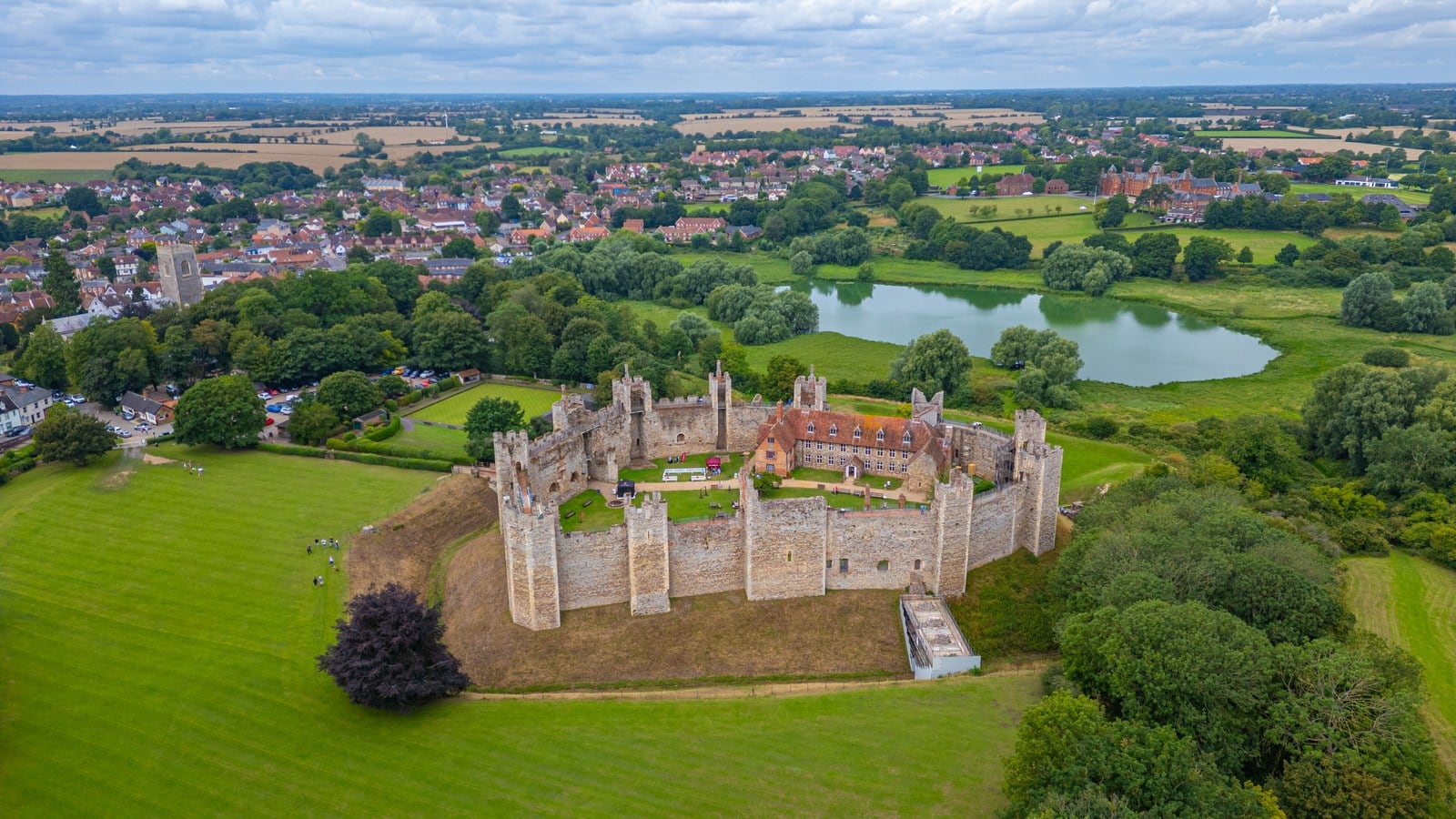
Framlingham Castle
Framlingham’s curtain wall stands nearly complete, thirteen towers around an irregular oval, and the courtyard behind it is grass. Inside the walls are the former workhouse buildings, the Poor House and the Red House, built...
SKC-00121 · Ruin · Interior open · 1 siege, 1066-1500
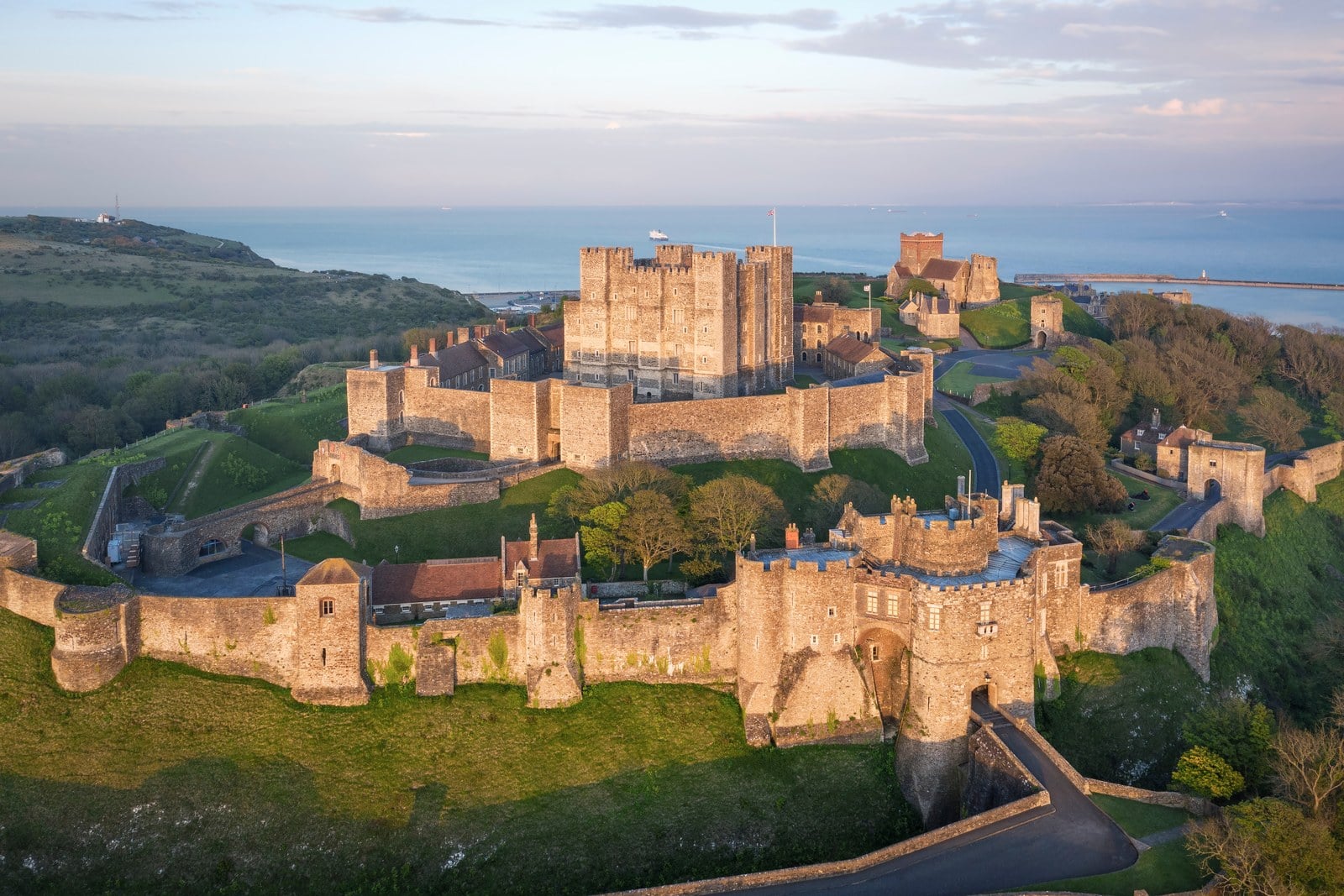
Dover Castle
A Roman lighthouse, an Anglo-Saxon church and Henry II’s Great Tower stand on one chalk headland above the Channel, over tunnels cut and recut from the thirteenth century to the twentieth. What survives of each,...
SKC-00120 · Intact · Interior open · 4 sieges, 1066-1500
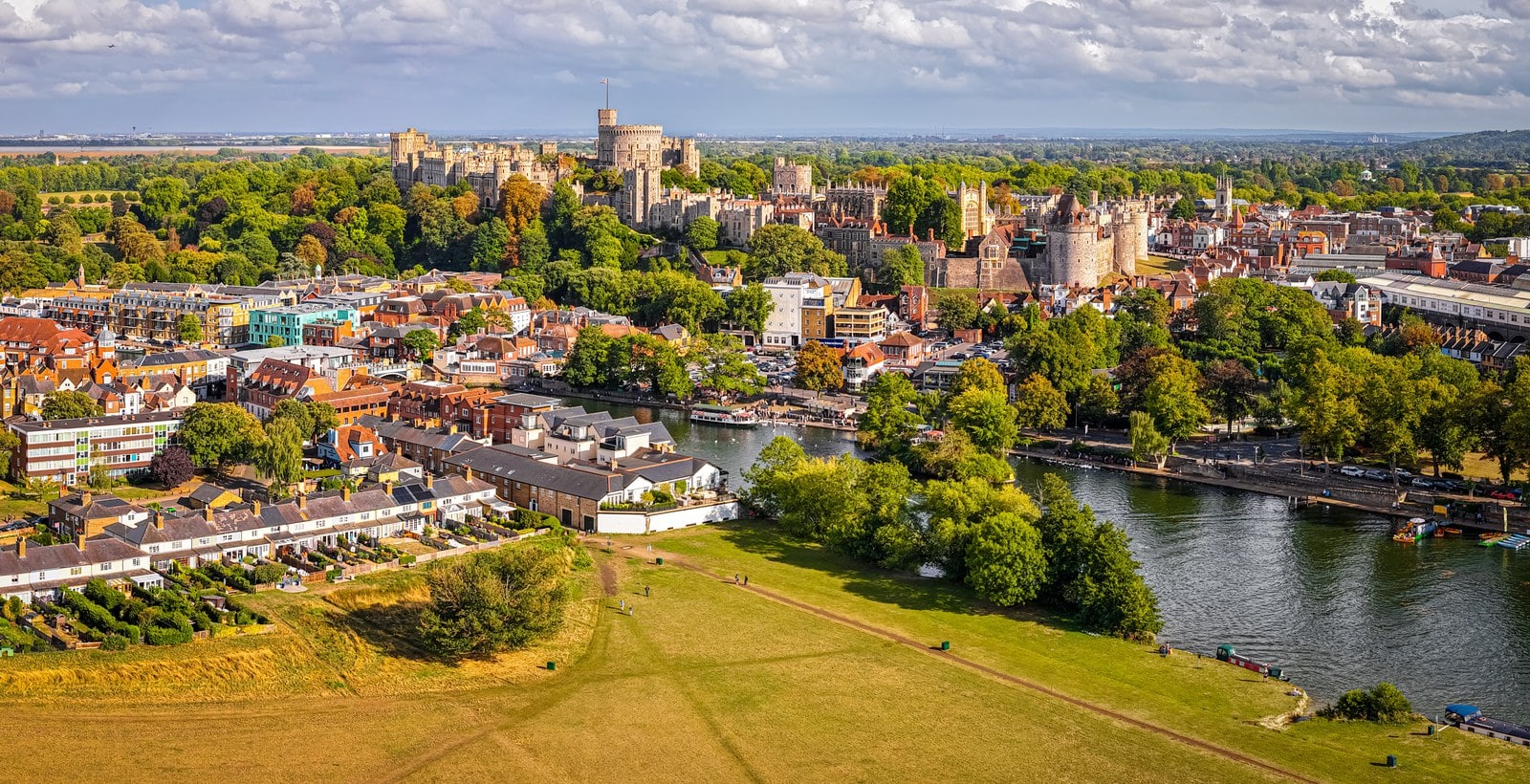
Windsor Castle
Windsor Castle, founded in the 1070s, is still a working royal palace. This guide traces what that has done to the building: what Henry II, Edward III, Charles II and Wyatville each left standing, what...
SKC-00119 · Intact · Interior open · 4 sieges, 1066-1500
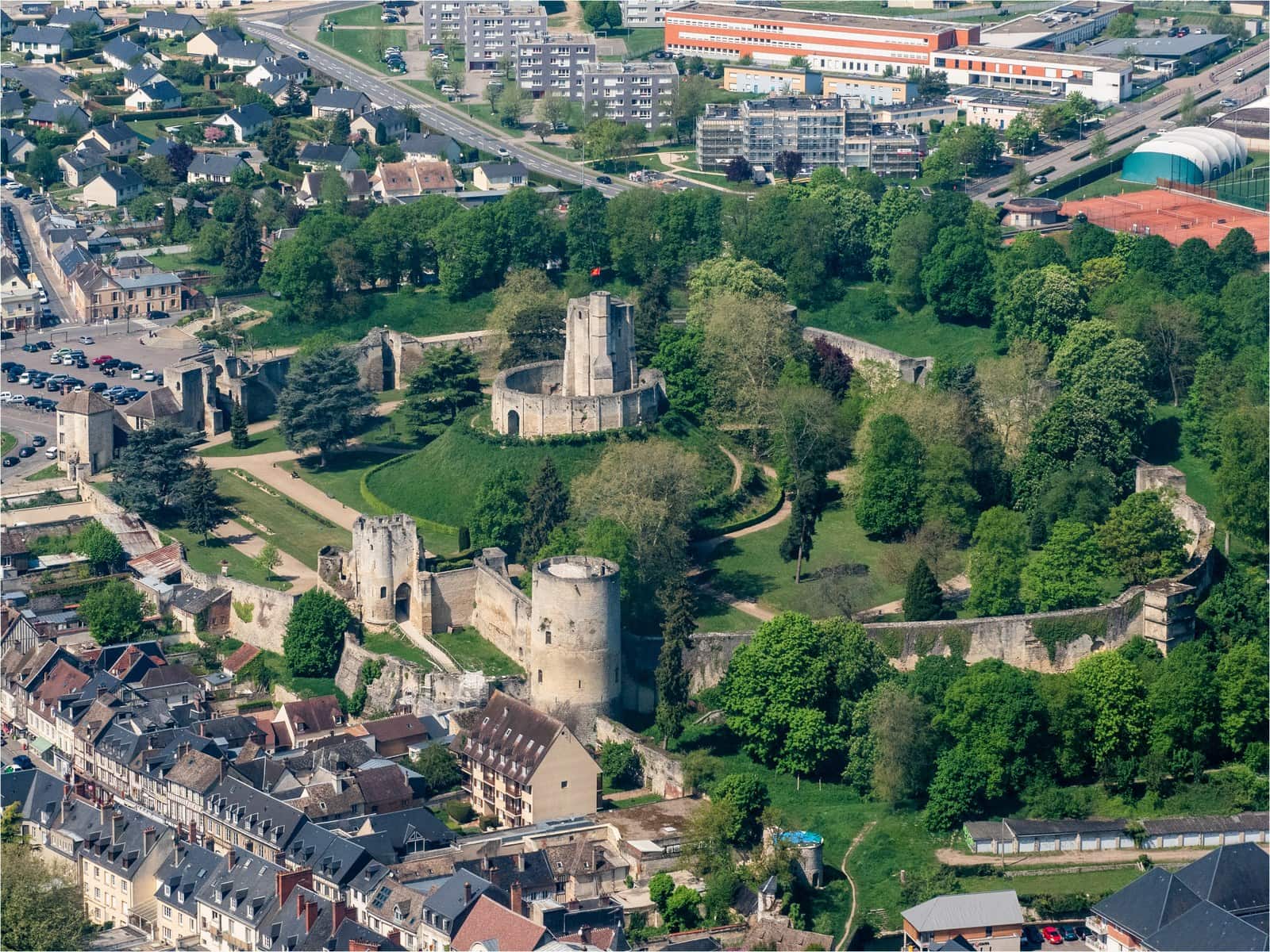
Château de Gisors
A motte raised for William Rufus in 1096-97, an octagonal great tower on its summit whose date is still disputed, and a circular great tower built after Philip Augustus took the castle in 1193: Gisors...
SKC-00118 · Ruin · Interior by guided tour only · 3 sieges, 1066-1500