
History & Architecture
The people, periods, and architecture that shaped Europe’s castles.
Thematic collections and long-form history articles.
History & Architecture is StoneKeep Atlas’s home for long-form editorial. Thematic collections gather castles around a single historical thread; history articles explore the figures, periods, and cultural currents that made castle-building what it became.
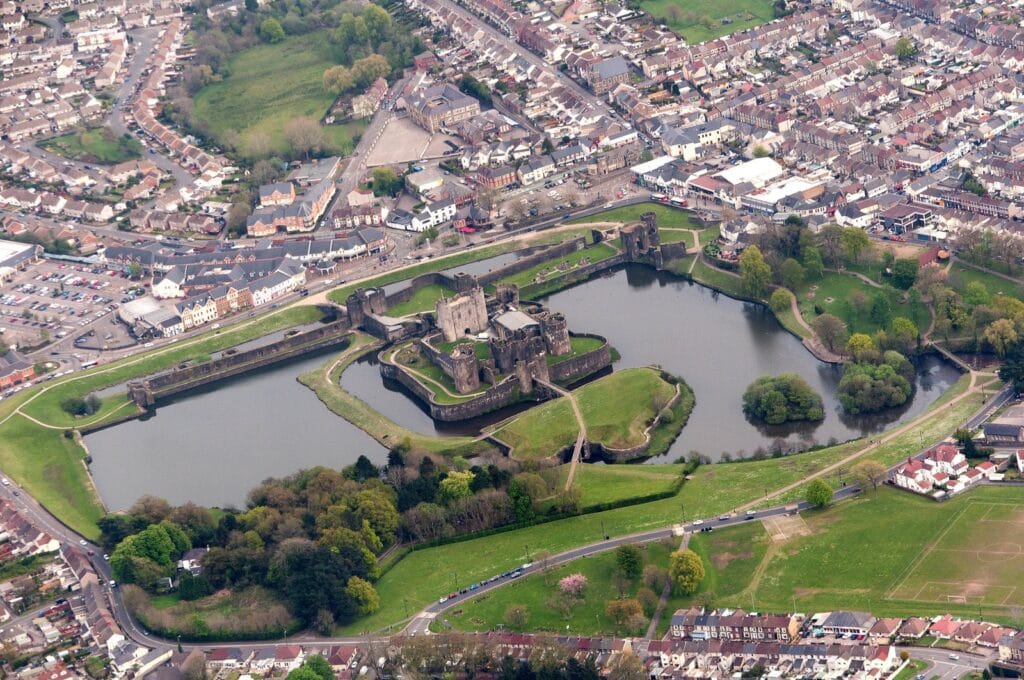
Parts of a Medieval Castle
The parts of a castle can include the ditch, bridge, barbican, gatehouse and postern; the motte, bailey, curtain wall, towers and wall-top; and the great tower or keep, hall, chapel and chamber. On paper, learning the names is easy. Every labeled diagram shows you the same building: a mound with a tower on it, a...
READ THE GUIDE →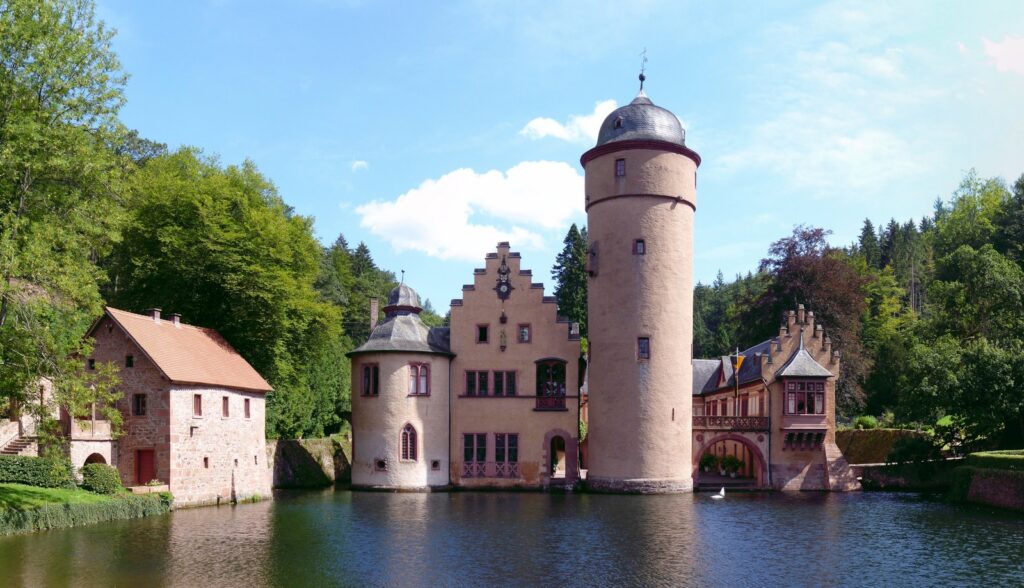
How Castle Moats Worked
A castle moat, in the picture nearly everyone carries, is a ring of green water with a drawbridge over it and something unpleasant swimming below. That picture is the exception. Many ditches cut around medieval castles held no water at all, and on hilltop and spur sites almost none of them could; the ones that...
READ THE GUIDE →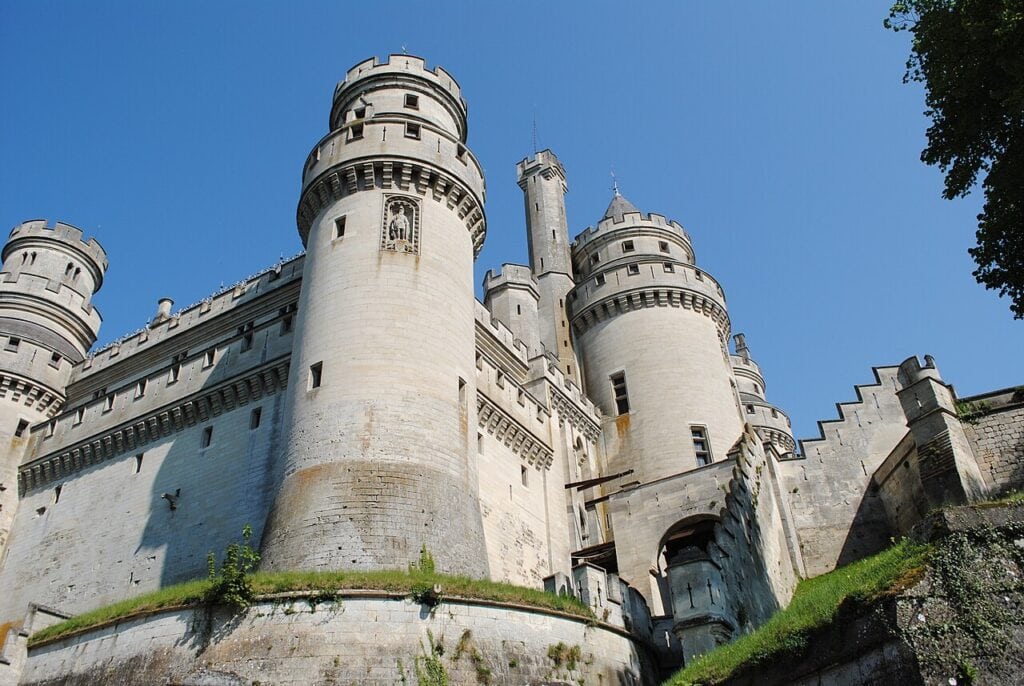
How Castle Defenses Worked
Machicolations, murder holes, and arrow slits were not decoration. They were the working parts of a system built to let a small garrison strike an attacker who could not strike back, and each did a different job at a different point in the castle. A machicolation reached the dead ground at the foot of a...
READ THE GUIDE →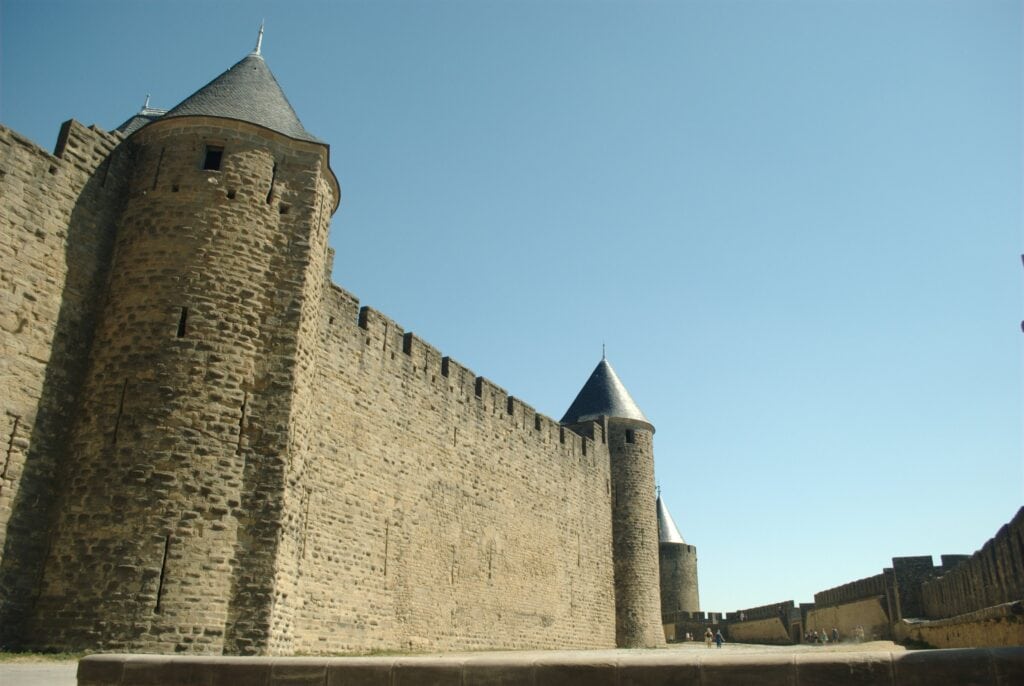
Castle Walls & Battlements
The battlements along the top of a castle wall are the most recognizable thing about it, the notched silhouette that reads as “castle” at a single glance. They are only the fighting crest, though, of a much larger and more interesting object: the curtain wall itself. That wall, not the keep, was the real perimeter...
READ THE GUIDE →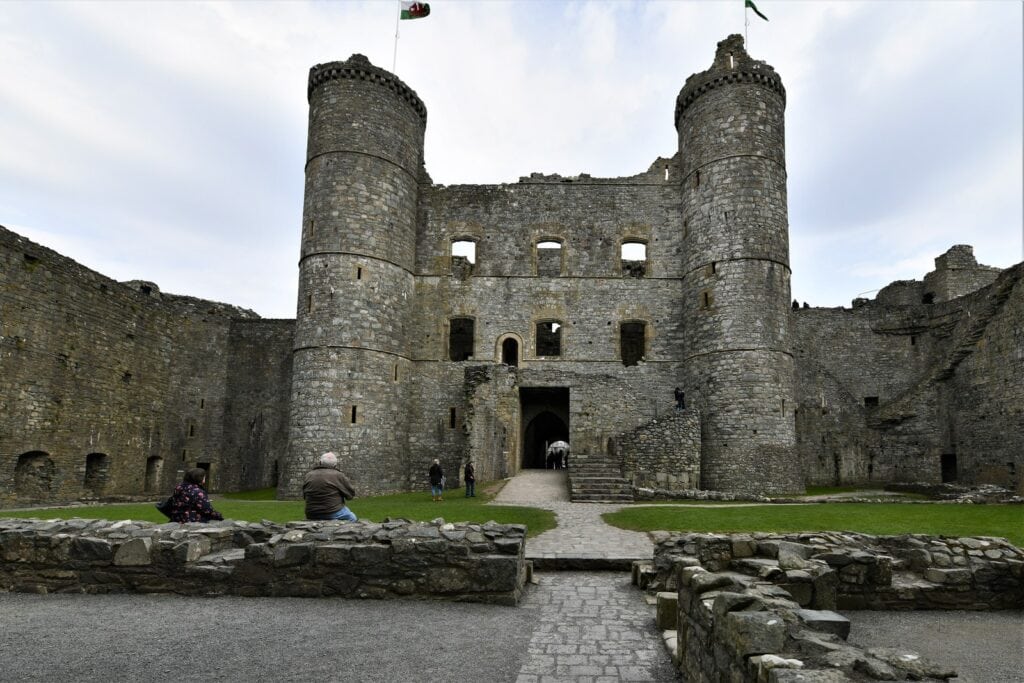
The Castle Gatehouse: Portcullis, Drawbridge & Barbican
A castle gatehouse was the most heavily armed building of a medieval castle, and it had to be, because it stood over the one place a defender could not wall up: the way in. Every other yard of the curtain was continuous stone. The entrance was a deliberate gap, low enough and wide enough to...
READ THE GUIDE →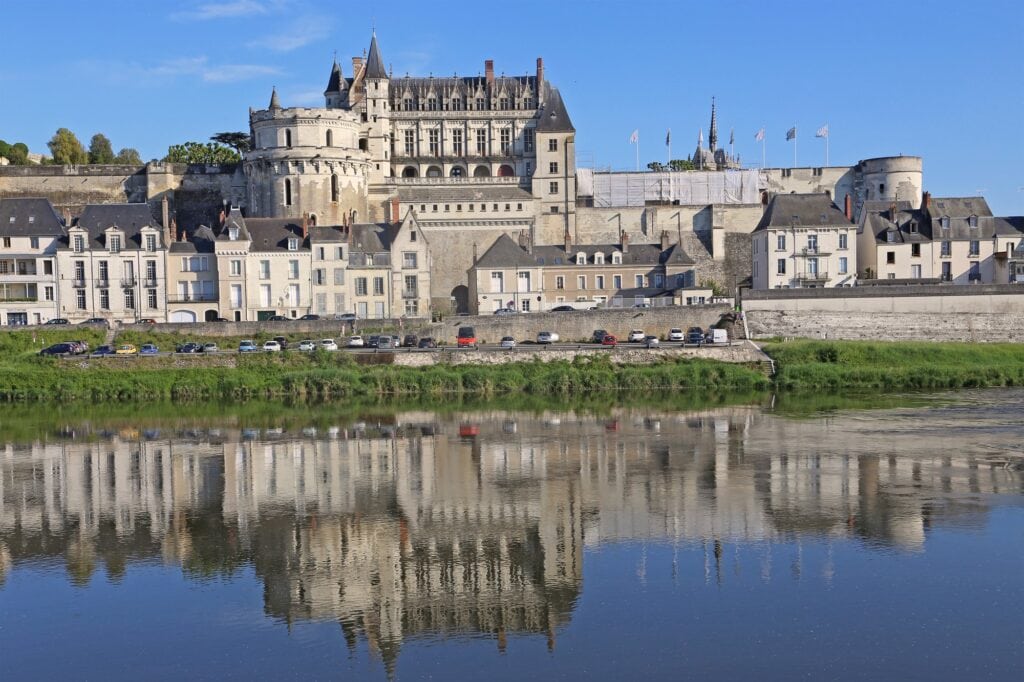
The Women Who Built the Loire: Beyond Chenonceau
Beyond Chenonceau, the Loire is a landscape of female power: Agnes Sorel at Loches, Anne of Brittany at Langeais, Louise of Savoy the regent, Philippa Lesbahy who finished Azay, and Catherine de Medici at Chaumont and Blois.
READ THE GUIDE →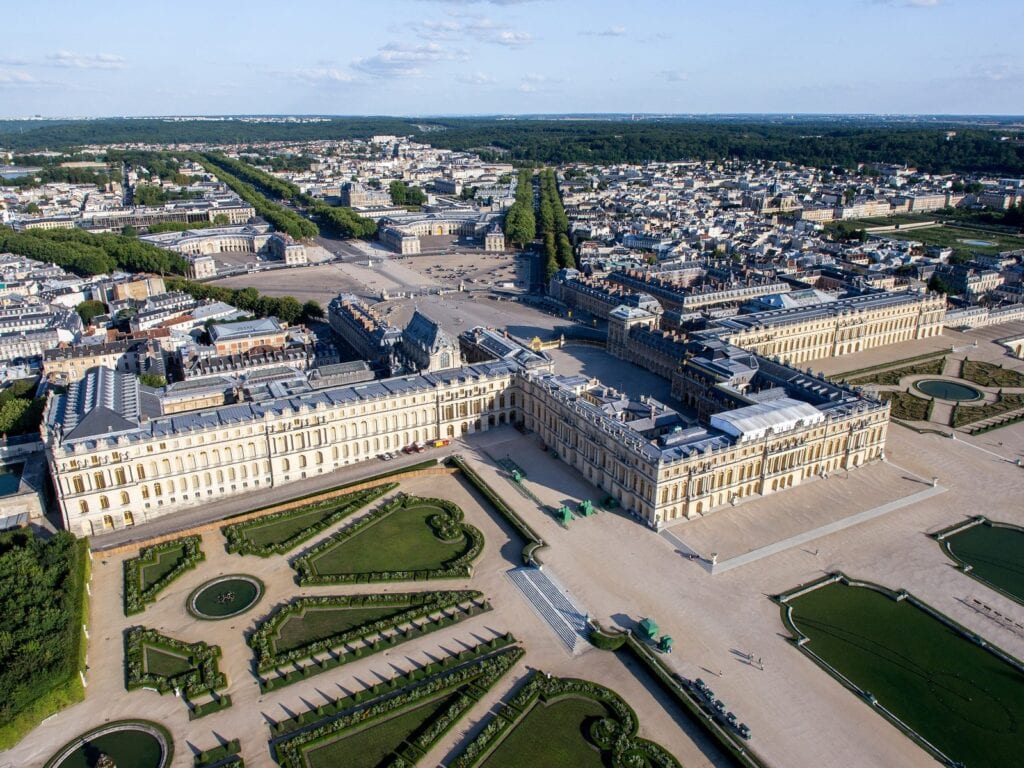
Versailles and the Architecture of Absolutism
How Louis XIV turned Versailles into the architecture of absolutism: building, gardens, and court ritual forged into one machine of royal power.
READ THE GUIDE →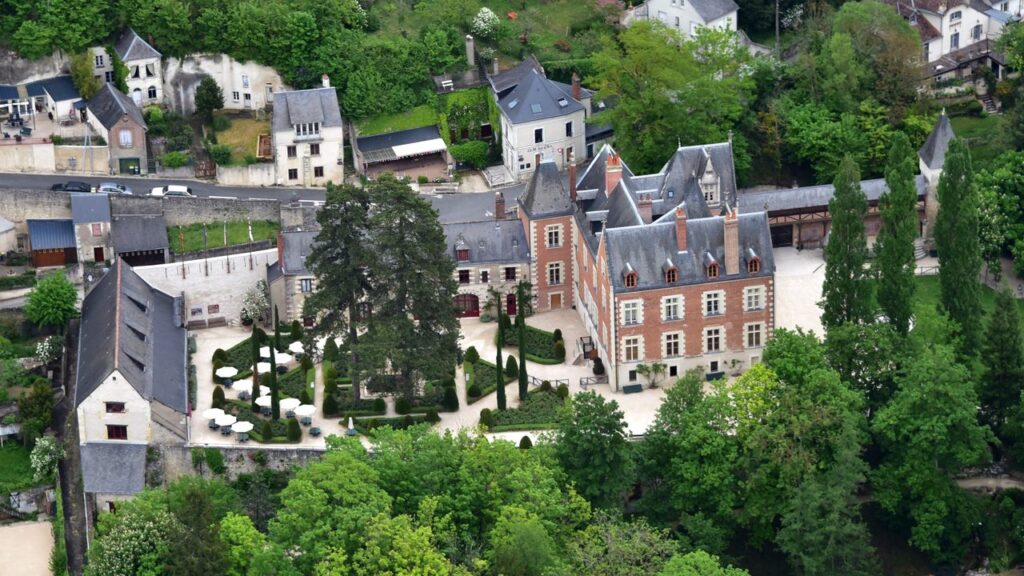
Leonardo in France: His Final Years on the Loire
Leonardo da Vinci spent his last three years (1516–1519) in the Loire Valley as guest of François I. The documented record of his French years, and the legends, across Clos Lucé, Amboise, and Chambord.
READ THE GUIDE →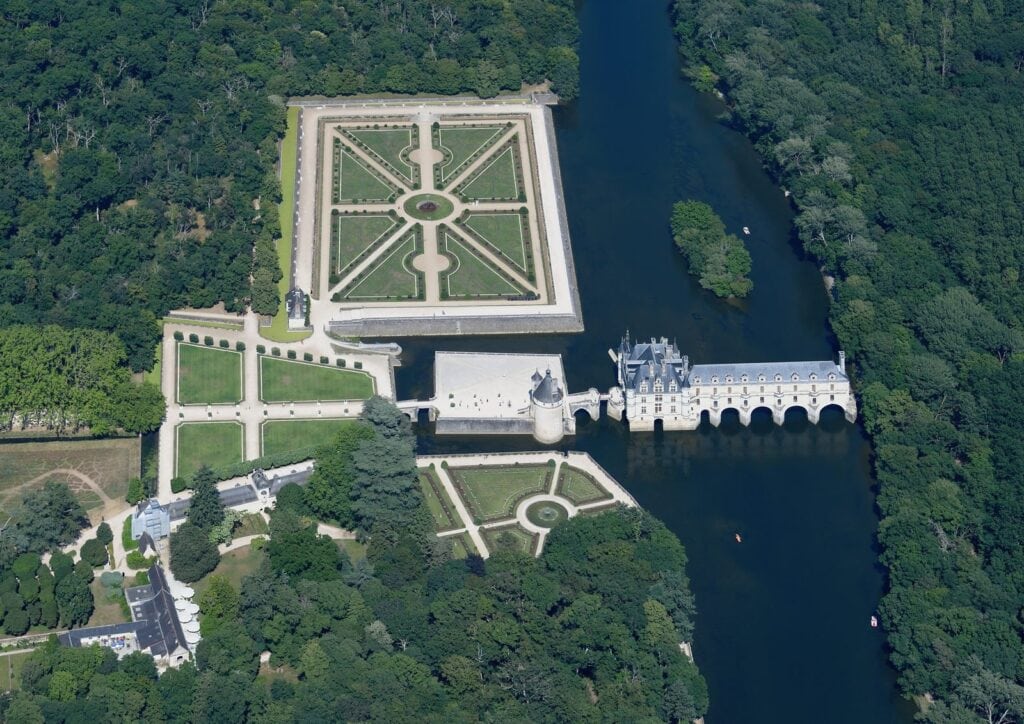
The Ladies of the Loire: The Women Who Built, Won, and Saved Chenonceau
Six women built, won, and saved Chenonceau: the story of the Château des Dames, from Katherine Briçonnet to Simone Menier.
READ THE GUIDE →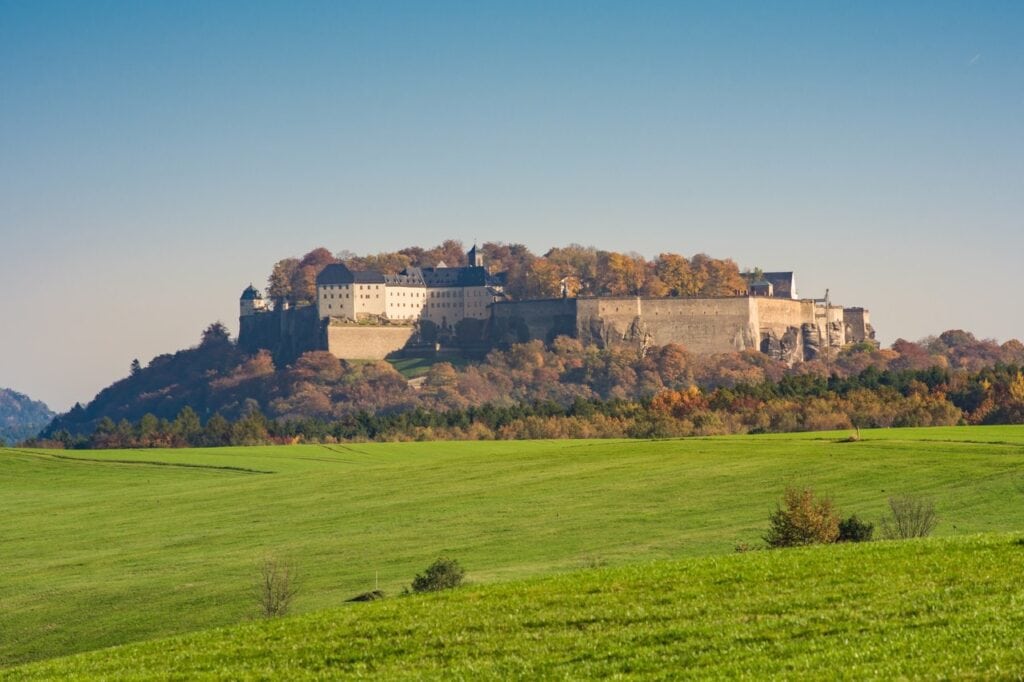
The Castle as Refuge: Sieges That Defined Germany
A castle is a promise. Long before it was a status symbol or a romantic ruin, it was a bargain a lord made with the people who sheltered inside it: come behind these walls, and you will outlast an enemy you could never beat in the open field. For most of a thousand years that...
READ THE GUIDE →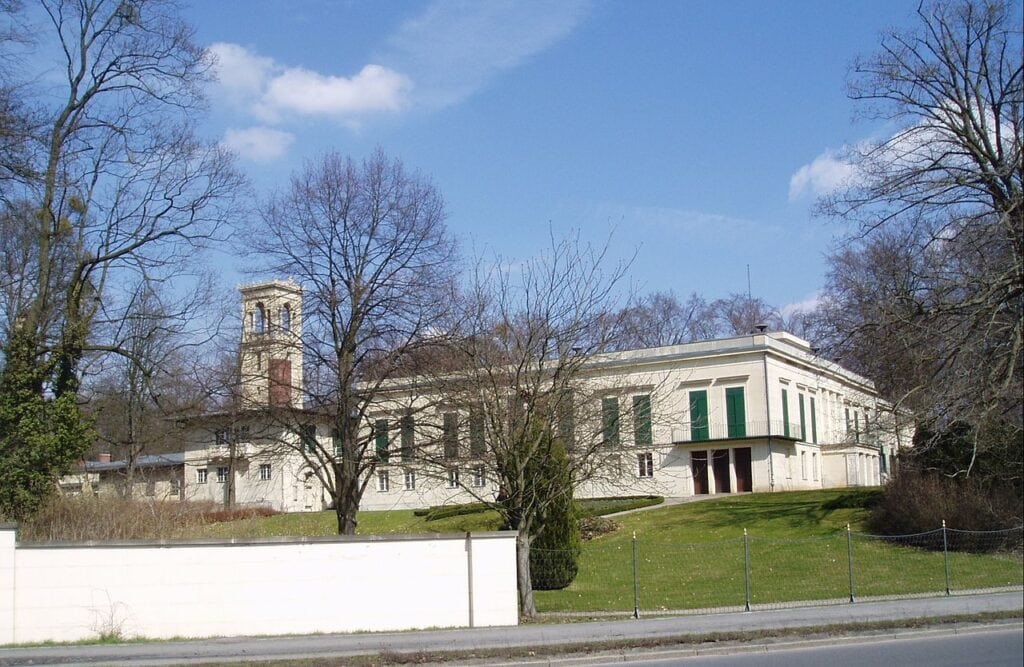
Schinkel, Persius, and the Prussian Romantic Landscape
Stand on the Glienicke Bridge on a clear morning and the Havel does something strange for a north German river: it looks like Italy. Cypress-dark plantings climb the far bank, a square tower rises above a screen of trees, and the water folds around wooded points that seem arranged for the eye. The effect is...
READ THE GUIDE →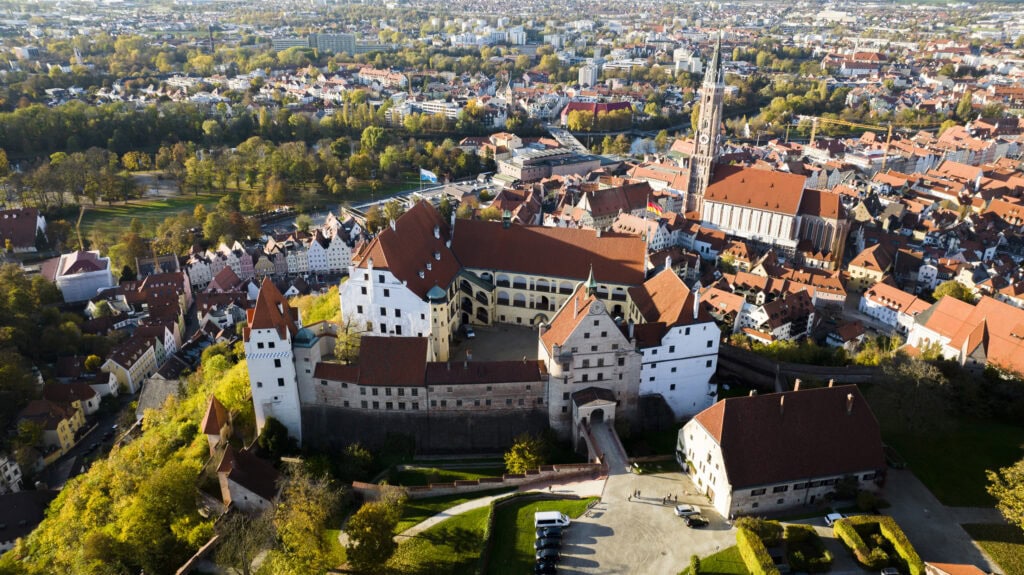
Wittelsbach Castles of Bavaria: 738 Years of Dynastic Architecture, 1180–1918
Three generations of Wittelsbach residence — medieval ducal seats, Renaissance and Baroque Electoral residences, and Ludwig II's romantic-historicist castles — across 738 years of dynastic rule in Bavaria.
READ THE GUIDE →