
History, Architecture & Records
The people, periods, and architecture that shaped Europe’s castles.
History articles, architecture references, and castle records and curiosities.
History, Architecture & Records is StoneKeep Atlas’s home for long-form editorial. History articles explore the figures, periods, and cultural currents that made castle-building what it became. Architecture references take a castle apart, from the gatehouse and walls to the keep, the great hall and the garderobe. Records and curiosities answer the questions readers ask about castles everywhere: the oldest, the largest, the country with the most, and the ones said to be haunted.
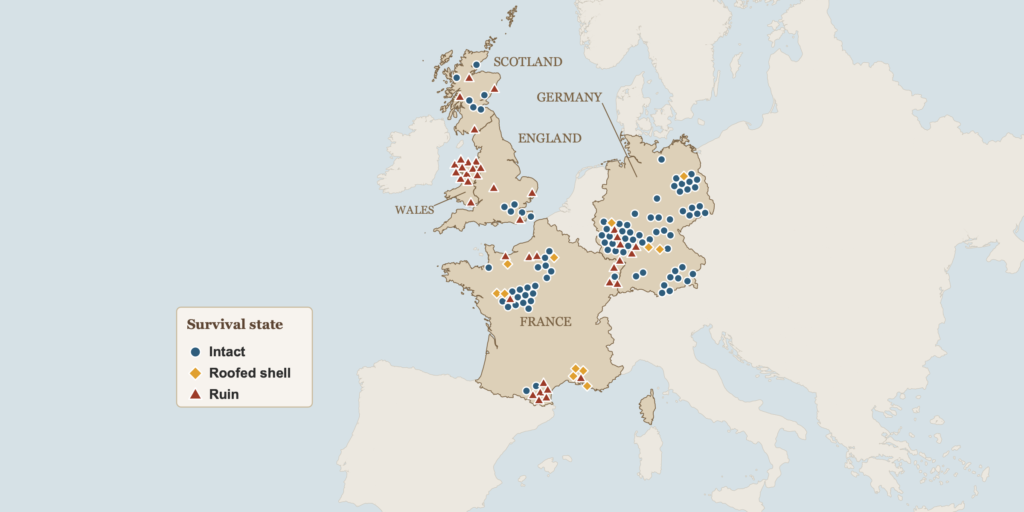
The Castle Records Dataset
Our own records of the castles, palaces and fortresses we have written guides or record pages about in England, Scotland, Wales, France and Germany: survival, authenticity, access, dating evidence and register identifiers, every block with the page it was read on. A record set, not a census. Free to download.
READ THE GUIDE →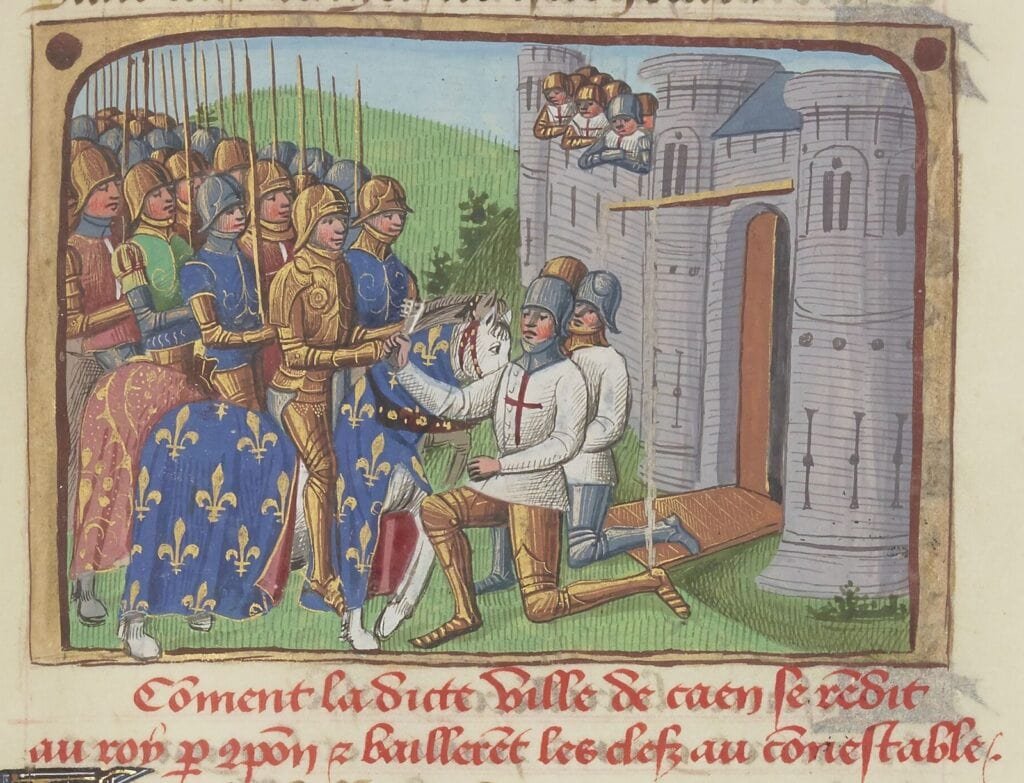
How Castles Fell
Every siege, attempted siege or forced change of hands between 1066 and 1500, in five countries, that our castle guides narrate and a source confirms, coded by how it ended. Of the 42 castle losses whose mechanism a source names, 7 came by storm or mine; the other 35 were surrendered, starved, betrayed or abandoned.
READ THE GUIDE →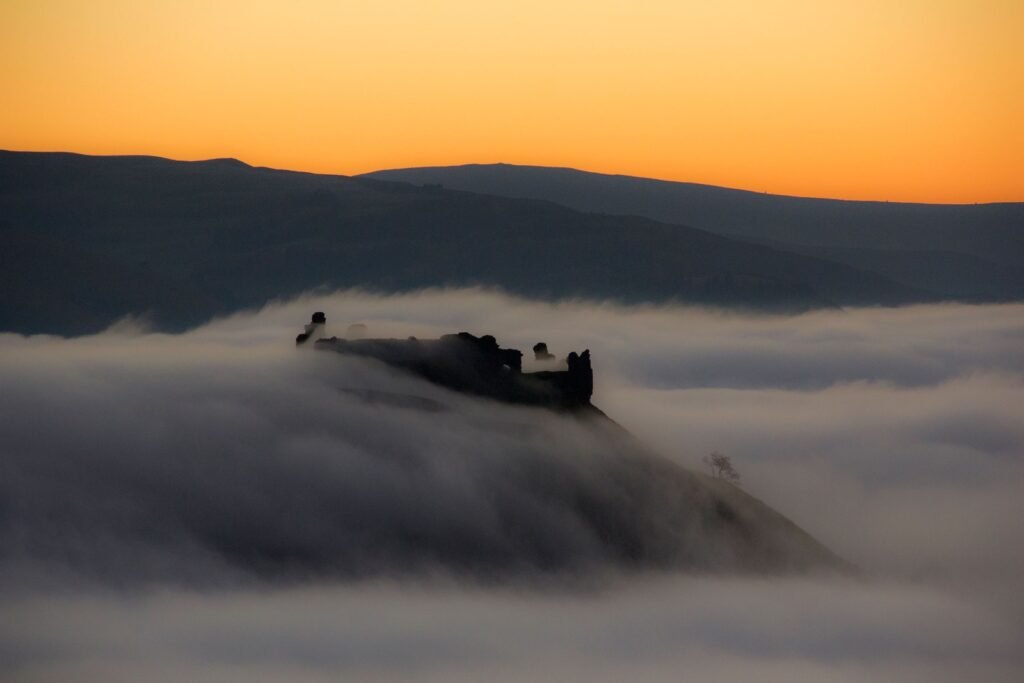
The Castles of the Welsh Princes
The rulers of Gwynedd, Powys and Deheubarth built castles of their own, Dinas Brân and Ewloe among them: how they built in timber and stone, and what the crown and Marcher lords made of them.
READ THE GUIDE →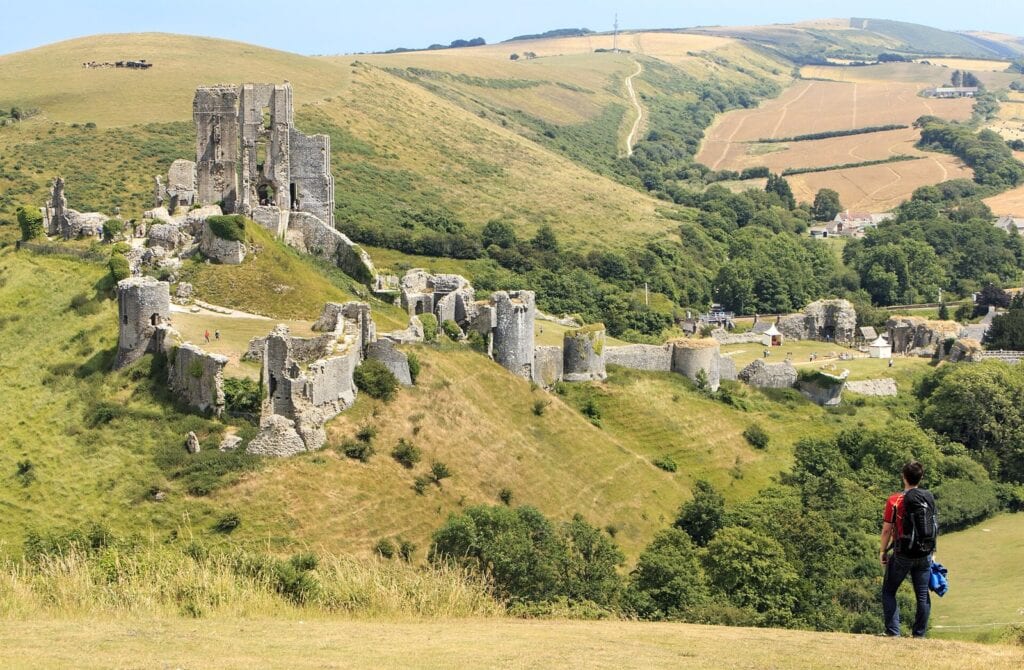
Why Are English Castles in Ruins?
Not at a single blow: early decay, Civil War demolition orders, lead and stone carried off, and a twentieth-century state that set out to repair, not restore.
READ THE GUIDE →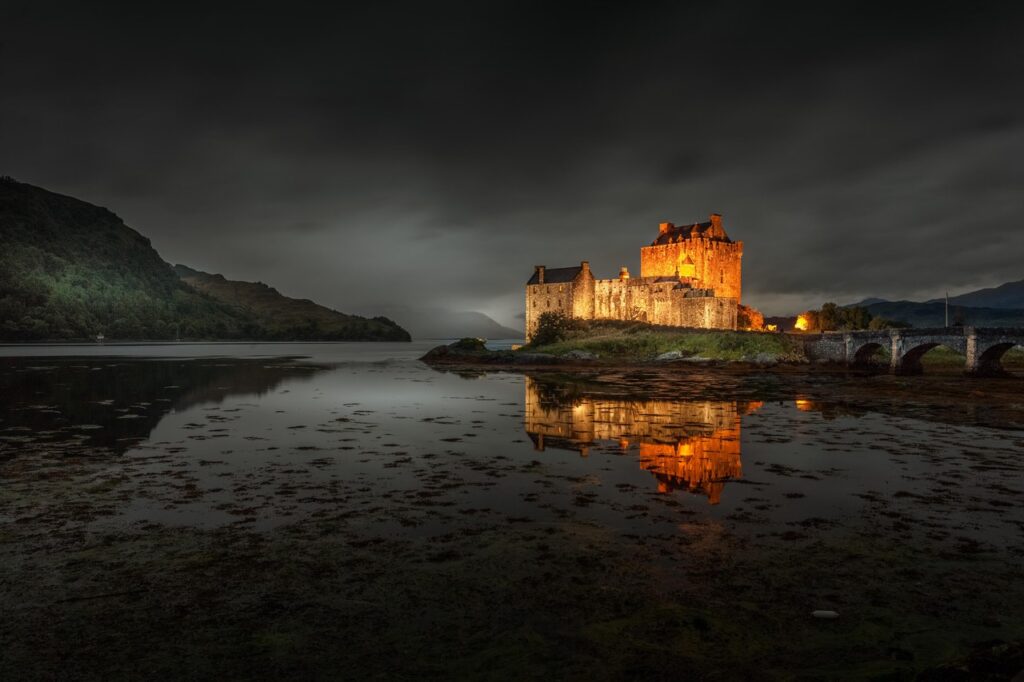
Haunted Castles
Nineteen buildings in four countries and one question: who wrote the ghost down, in what kind of document, and in what year. The record turns out to be much younger and much thinner than the stories built on it.
READ THE GUIDE →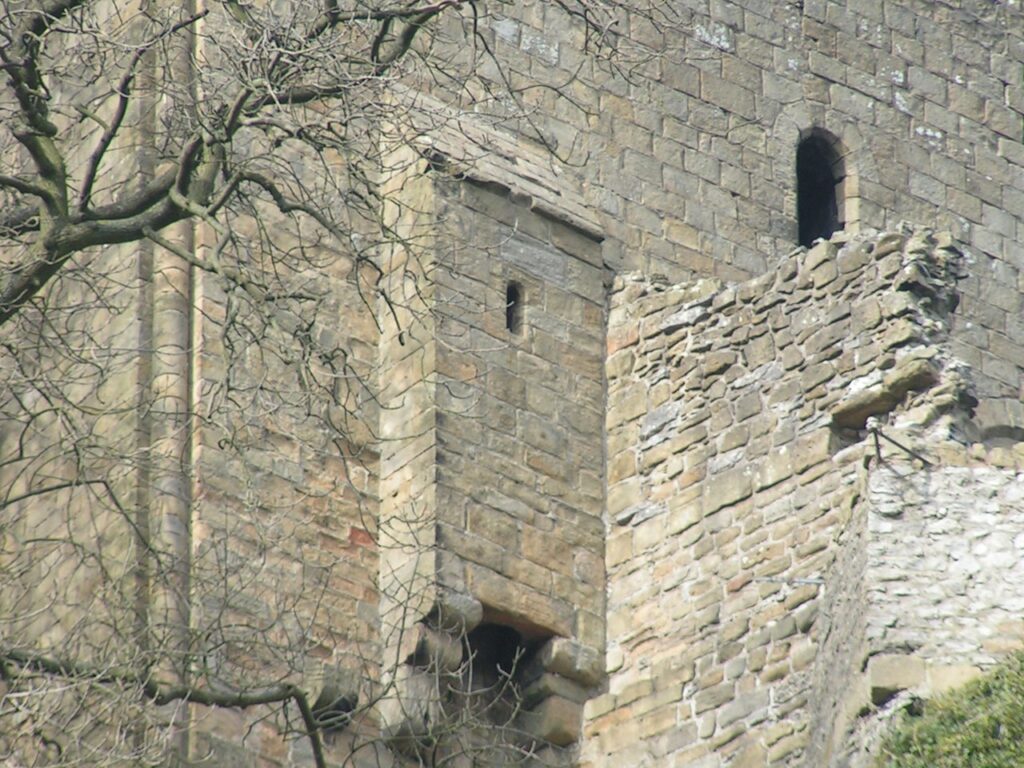
Castle Toilets and the Garderobe
Medieval toilets in a castle were a seat over a shaft, cut into the thickness of a wall or corbelled out beyond its face. What the room was called, how it was built, where the waste went, and where you can still stand and look at one.
READ THE GUIDE →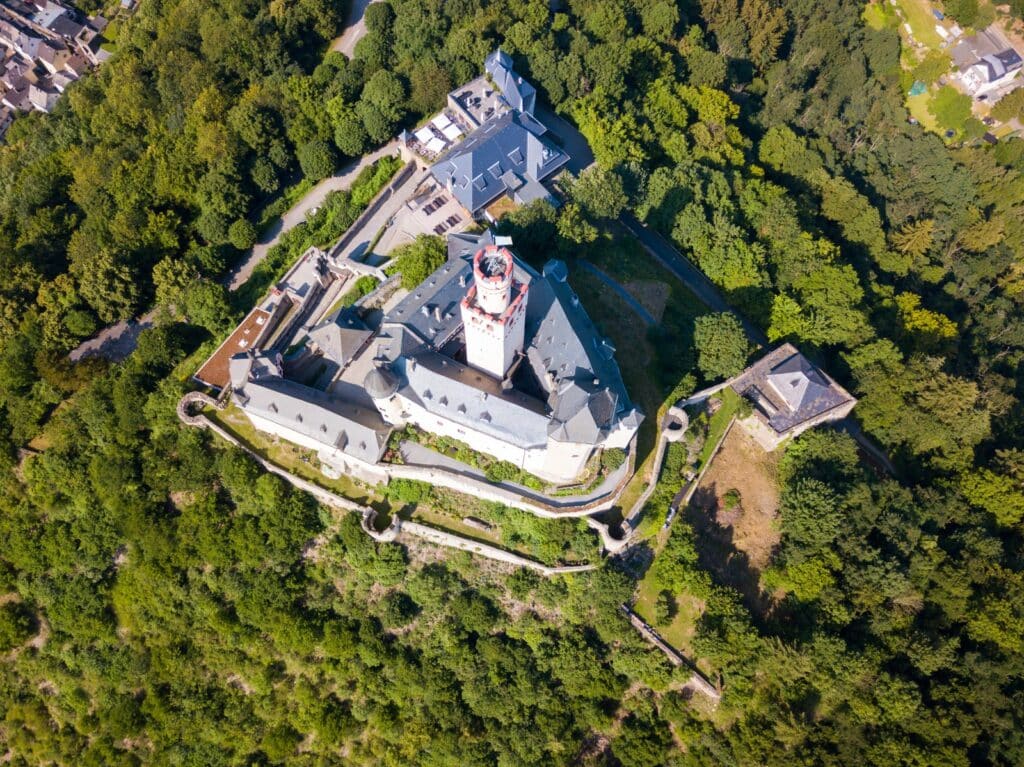
Types of Castles
There are more types of castles than the familiar three, and the bodies that catalog castles for a living do not agree on how many. Historic England’s recording thesaurus files eleven kinds of castle beneath the heading; the European castle database EBIDAT offers twenty-nine in a single dropdown, and a second list of twenty-seven beside…
READ THE GUIDE →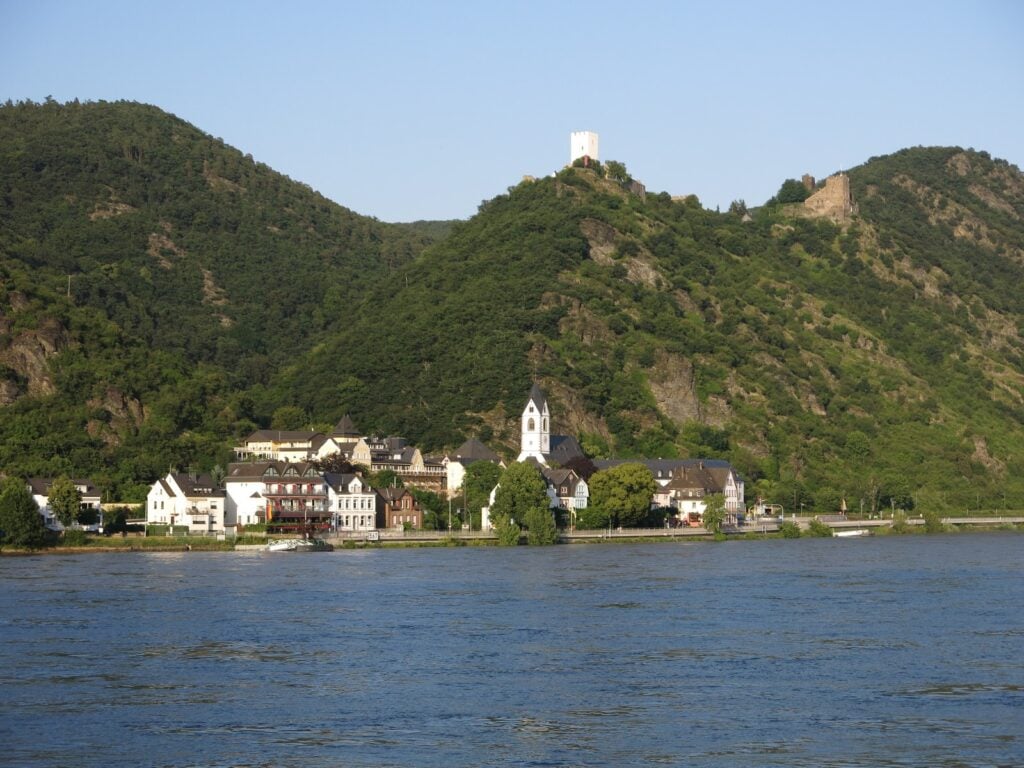
The Country With the Most Castles
Ask which country has the most castles and the answer starts with a question back: counted how, and by whom? France’s register counts protected immovables of every kind, Germany’s castle institute says it is not known how many castles there have been, Cadw publishes two different figures on its own website, and Ireland and Japan classify castles in ways that cannot be added together.
READ THE GUIDE →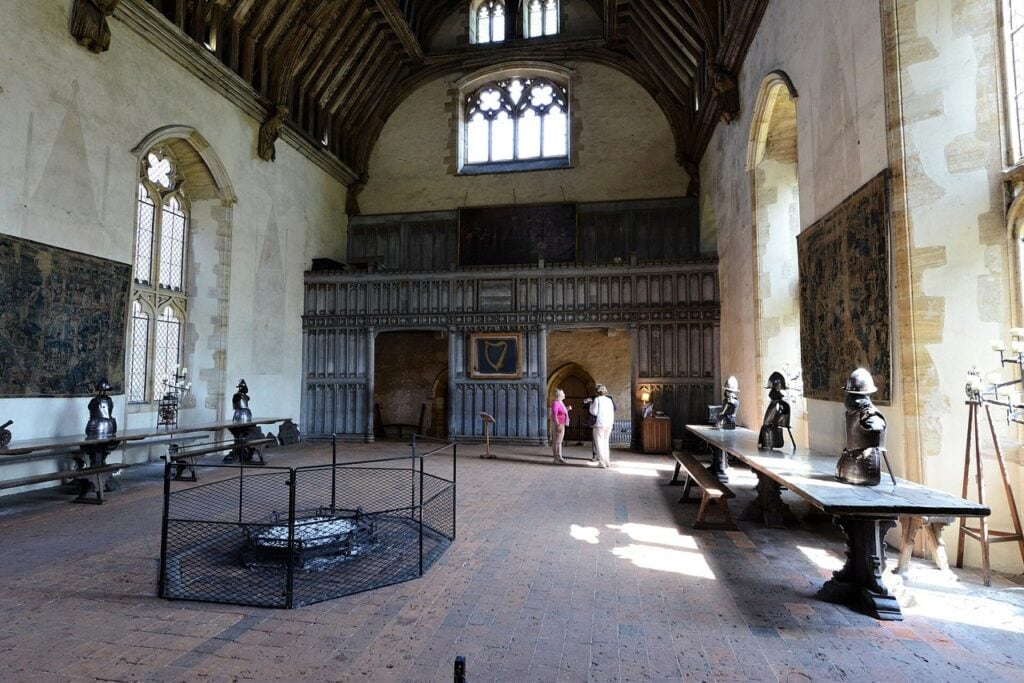
Great Halls and Medieval Castle Life
Medieval castle life happened, for a good many people, in one room. Two English household ordinances and a widowed countess’s accounts say who was in it and what they did there: the baker made white rolls for the high table and barley loaves for the servants, and men who commanded castles carved and poured at dinner because they held office. National heritage vocabularies define the great hall by its use rather than its plan. And the familiar story that the lord walked out of it turns out to be a Victorian editor’s reading of a poem, from lines the poet cut from his own revision.
READ THE GUIDE →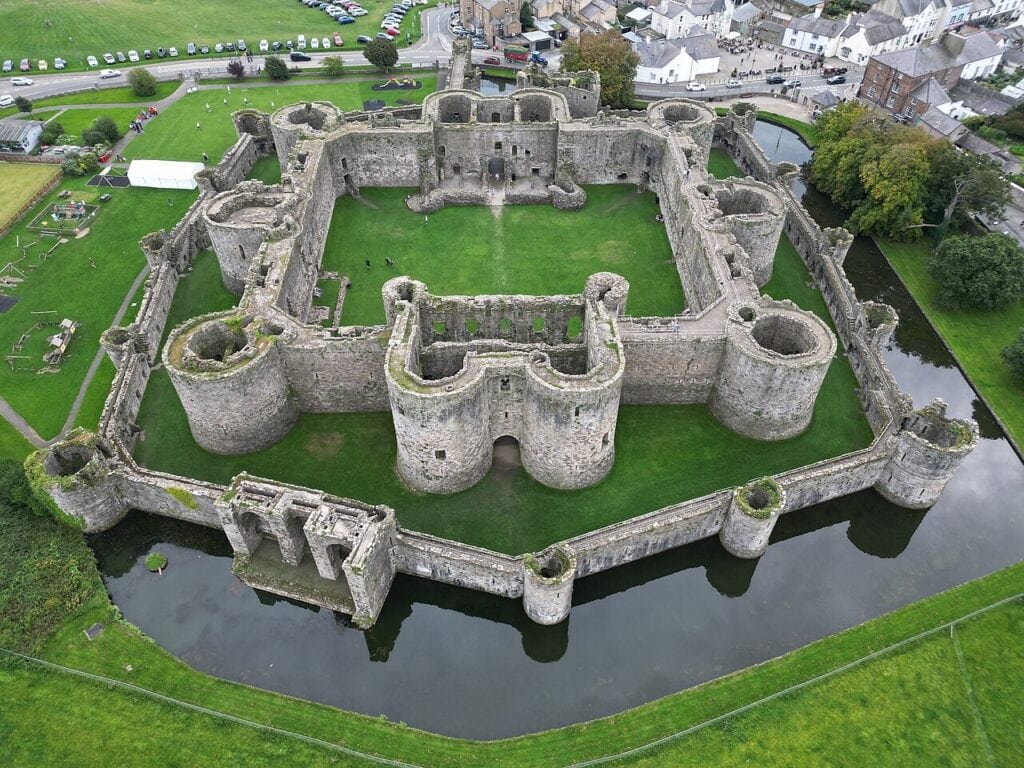
History of Castles
A castle is a lord’s fortified residence, and two national recording systems reach that test independently, in two languages and in almost the same words. Where the records differ is when the story starts: English Heritage begins England’s at 1066, while the earliest dated bracket in the European Castle Institute’s database vocabulary is the first half of the seventh century. And in England the national authority names the centralizing power of the Tudor state, not gunpowder, as what ended baronial castle-building.
READ THE GUIDE →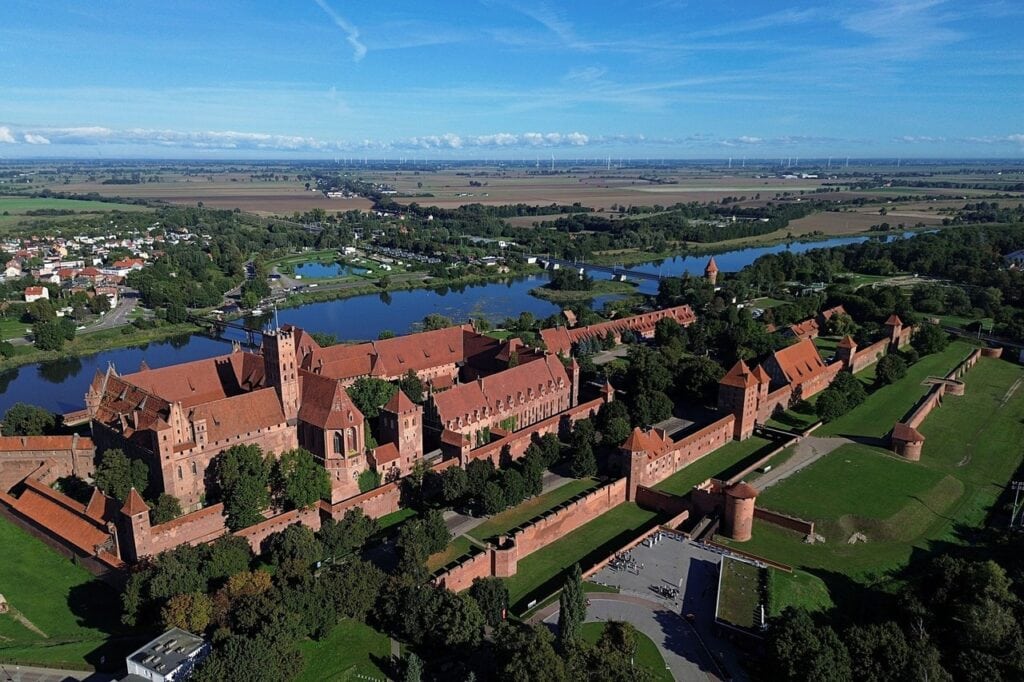
Largest Castles in the World
Guinness World Records publishes eight castle size records and no unqualified one. Malbork holds the record for the largest brick castle, Prague Castle for the largest ancient castle, Burghausen for the longest. Which castle counts as largest depends on which limit you accept, and this page names who published each figure, or says plainly that nobody did.
READ THE GUIDE →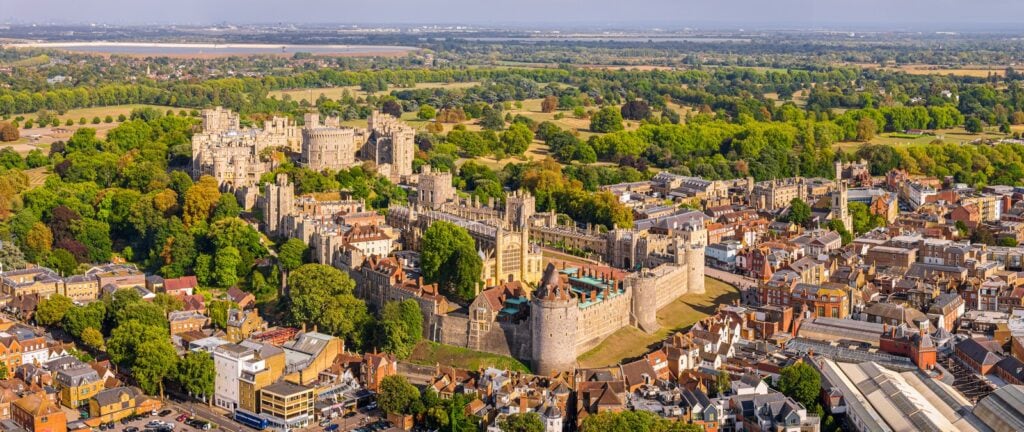
Oldest Castle in the World
Ask which is the oldest castle in the world, and Historic England’s blog will tell you Windsor, the French state will point you to Doué-la-Fontaine for the oldest keep in France, and many popular summaries will tell you the Citadel of Aleppo. All three are answering different questions, and only the first two say which….
READ THE GUIDE →