
The Castles of the Welsh Princes
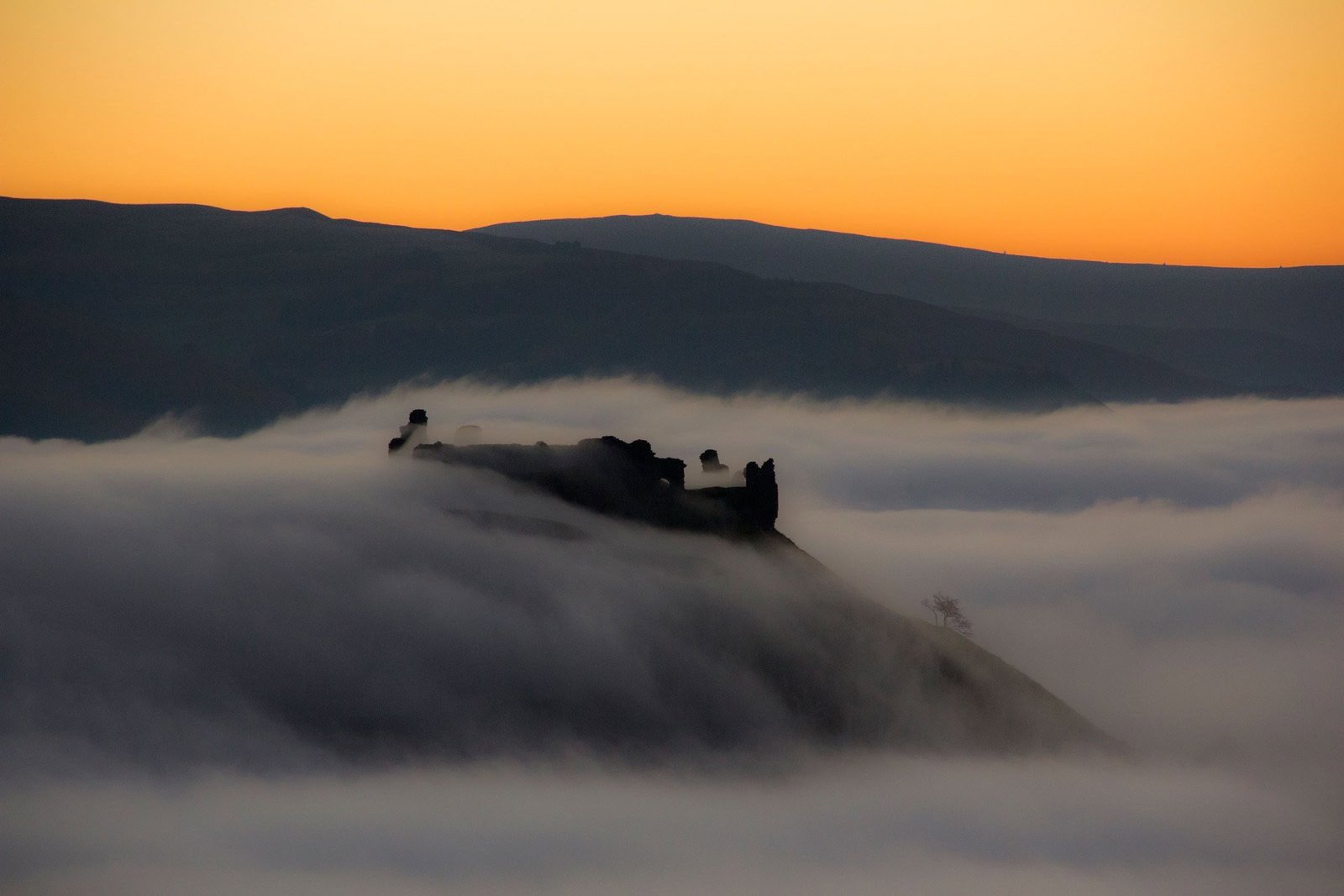
The castles of the Welsh princes are the strongholds that the rulers of Gwynedd, Powys and Deheubarth raised for themselves, and one of them, Dinas Brân, stands on its hill above Llangollen. The Royal Commission’s record says it “was burnt by its own garrison” in 1277, and Cadw, the Welsh Government’s historic environment service, says in its booklet that Edward I’s forces “found it deserted and burnt down” that year. Elsewhere, Cadw gives the native share of the country’s fortresses in a single sentence: “out of more than 470 fortresses across Wales, fewer than 40 were definitely built by native hands.” The booklet puts the balance plainly: “Most of the castles were built by the kings of England or the Anglo-Norman lords in their bid to extend control along or beyond the Welsh ‘March’”, which it describes as “an area of land on the border between England and Wales.” Then it adds, “But the Welsh were castle builders too.”
The Welsh princes built castles of their own, first of earth and timber like the Normans’ and then of stone, in forms the records recognize as Welsh, including the D-shaped or apsidal tower of the princes of Gwynedd, on sites usually chosen for their natural strength. Most of the stone castles whose fate is recorded passed to the English in Edward I’s wars of 1276-77 and 1282-83, or in Deheubarth in the revolt of 1287-88, and they survive in three states: left largely as the English found them, altered by the crown or by the Marcher lords to whom they passed, or replaced by a later castle on the same site.
Dolbadarn and Dolwyddelan in Gwynedd have full guides of their own, and our guide to castles in Wales sets the princes’ castles beside the kings’.
Before Stone: Timber Castles and the Princes’ Courts
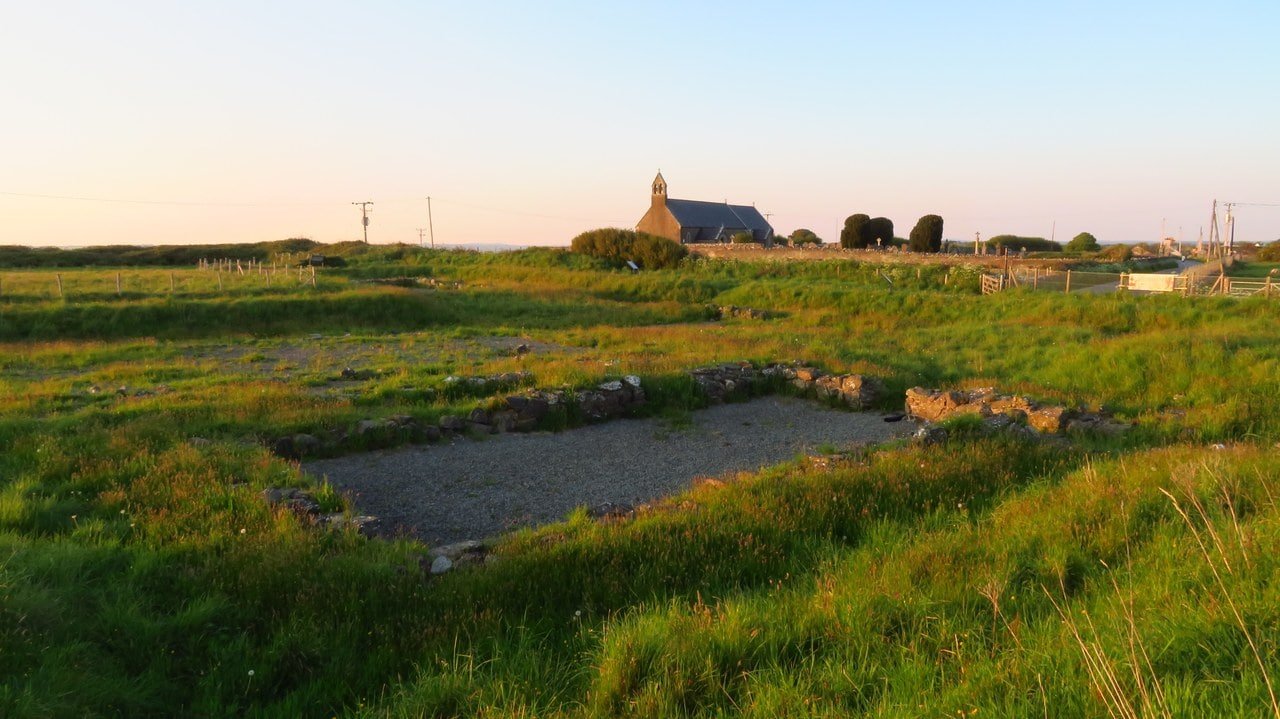
Cadw says the early princes “didn’t readily adopt the Norman practice of building castles,” and “preferred a more nomadic lifestyle moving between undefended ‘llysoedd’, or courts, spread across their lands.” A llys, in other words, was a prince’s court, and “undefended” describes the ones they moved between. Cadw calls Llys Rhosyr, near Newborough on Anglesey, “the only undefended Court or Llys of the Welsh Princes that has been confirmed through archaeological excavation,” and its scheduling record notes “a reference to the signing of a charter by Llywelyn ap Iorwerth there in 1237.”
The princes’ first castles took the Normans’ form: in Cadw’s words, they were “like those of the Norman invaders in design, and were also of earth and timber.” Cadw’s booklet describes Domen Castell at Welshpool as “An impressive motte, with a bowling green now occupying the bailey, probably built by the princes of Powys some time before 1196.” Cathcart King read the early period differently from Cadw’s account of the courts, finding the motte-castle, “alien institution though it certainly was, readily accepted by the native rulers,” and noting that as early as 1111 Cadwgan ap Bleddyn was choosing a site for one near Welshpool when he was assassinated. Cadw stresses the courts and King the mottes, and neither source settles the question.
Stone came before the great castles of the thirteenth century: Cadw’s booklet records Cardigan as “built in stone by the Lord Rhys in 1171,” and the chronicle of the princes says he built it “with stone and mortar.” It was a castle “which he had previously demolished, when he took it from the earl of Clare …,” though the booklet adds that most of the masonry visible there now is likely to be later work. In 1188 Gerald of Wales crossed the estuaries of Traeth Mawr and Traeth Bychan, “where two stone castles have newly been erected,” one of them Carn Fadryn on the Llŷn peninsula, then the property of the sons of Owain Gwynedd. It was the thirteenth century, Cadw says, before Welsh princes “began to construct stone castles as mighty as those raised by the Marcher lords on the border.”
Gwynedd, Powys and Deheubarth: The Princes as Builders
Cadw’s booklet explains why the princes built at all: “Castles were built by the Welsh lords and princes to defend their land from each other, from invasion, and, like the English, to protect important routes.” It divides the Welsh-held lands between “the major princedoms of Gwynedd (centred on north-west Wales), Deheubarth (centred on south-west Wales) and Powys (in east Wales), and several smaller realms.” The builders differ from kingdom to kingdom, and so does the evidence: some castles have a founder and a year in the record, and some have only a debate.
Gwynedd
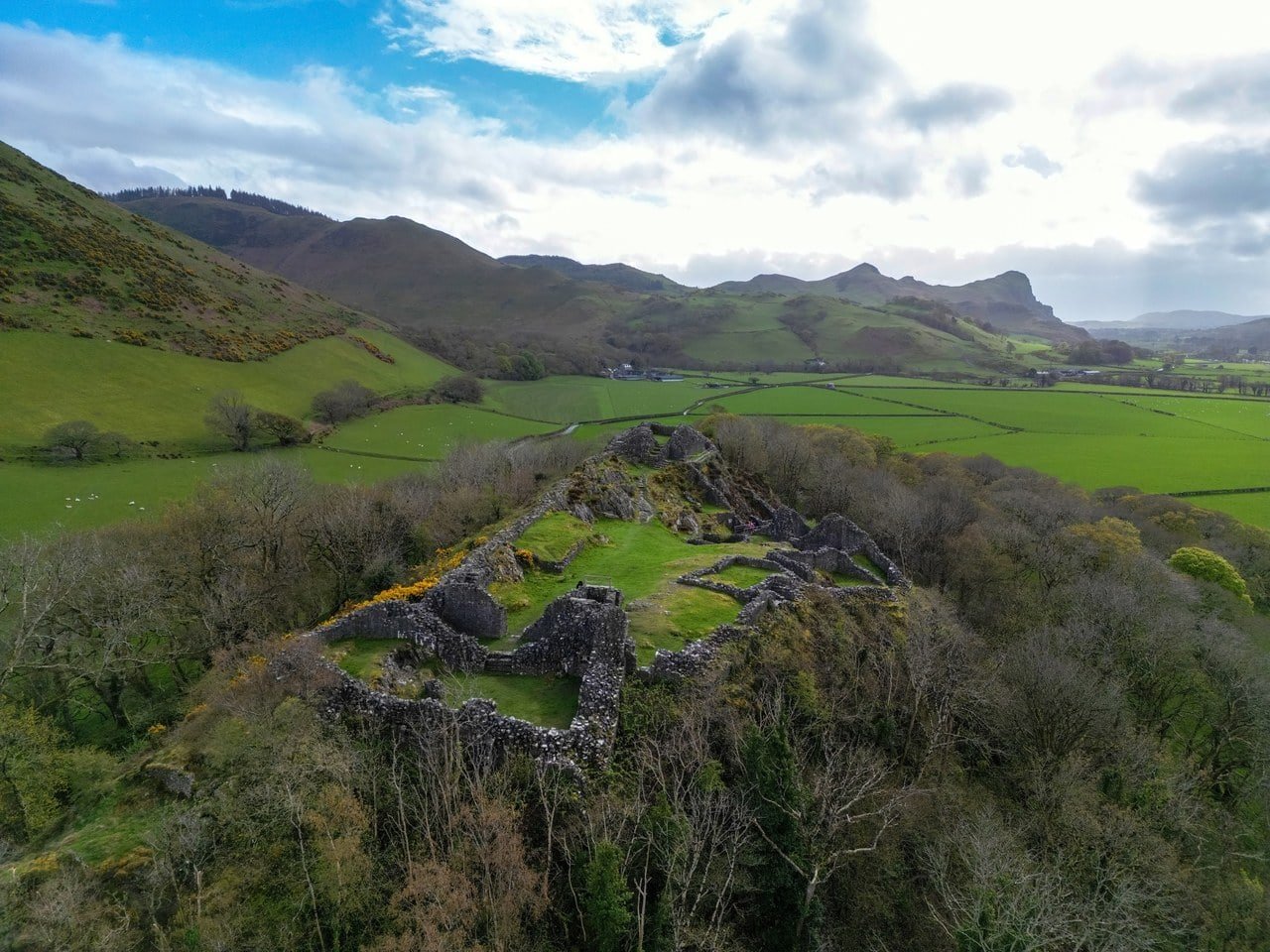
Two Llywelyns run through Gwynedd’s castles: Llywelyn ap Iorwerth, known as Llywelyn the Great, and his grandson, Llywelyn ap Gruffudd, known as Llywelyn the Last. The elder Llywelyn, whom Cadw’s booklet calls “the most active castle builder amongst the Welsh princes,” began Castell y Bere in 1221, Cadw says, after taking Meirionnydd and Ardudwy back from his son Gruffudd; the chronicle of the princes records the seizure too, and that he “commenced building a castle therein for himself,” but it does not name the castle. The booklet adds that “some elements of the castle may have been constructed by his grandson, Llywelyn ap Gruffudd.”
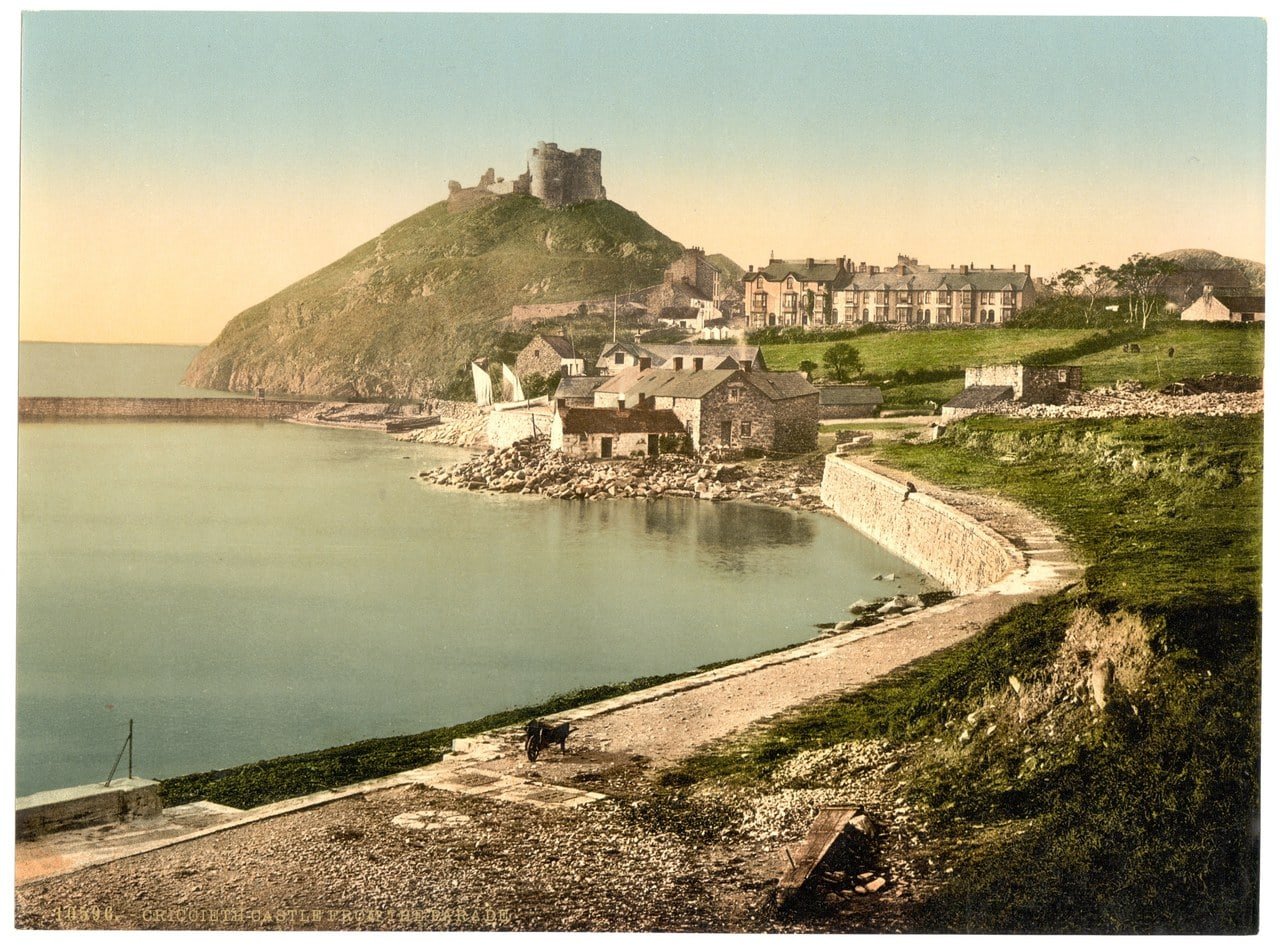
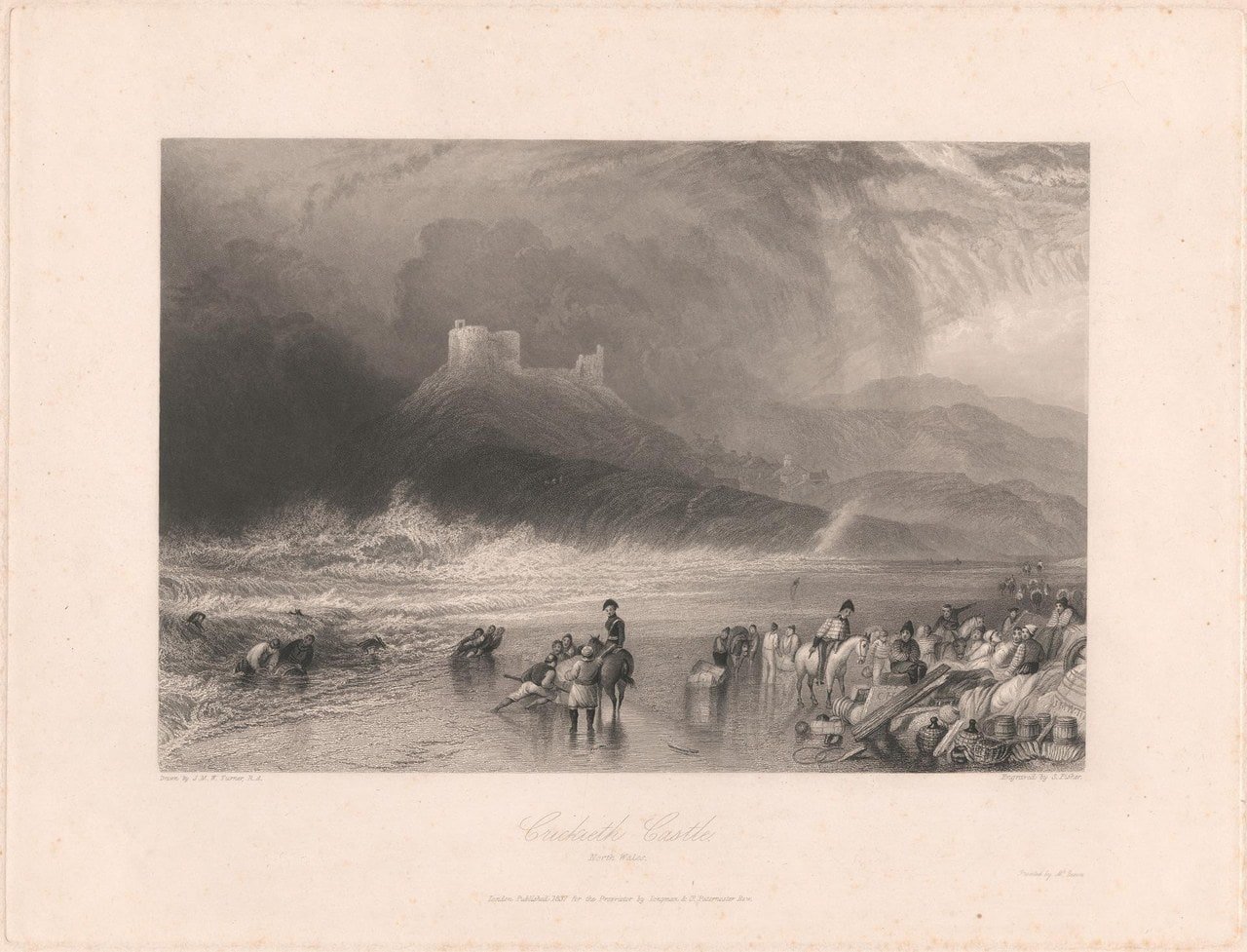
At Criccieth Llywelyn ap Iorwerth built the inner ward and its twin-towered gatehouse in the 1230s, by Cadw’s account, and his grandson added the outer ward. The booklet says the earliest reference to Criccieth is the chronicle’s record that in 1239 Dafydd ap Llywelyn imprisoned his half-brother Gruffudd there.
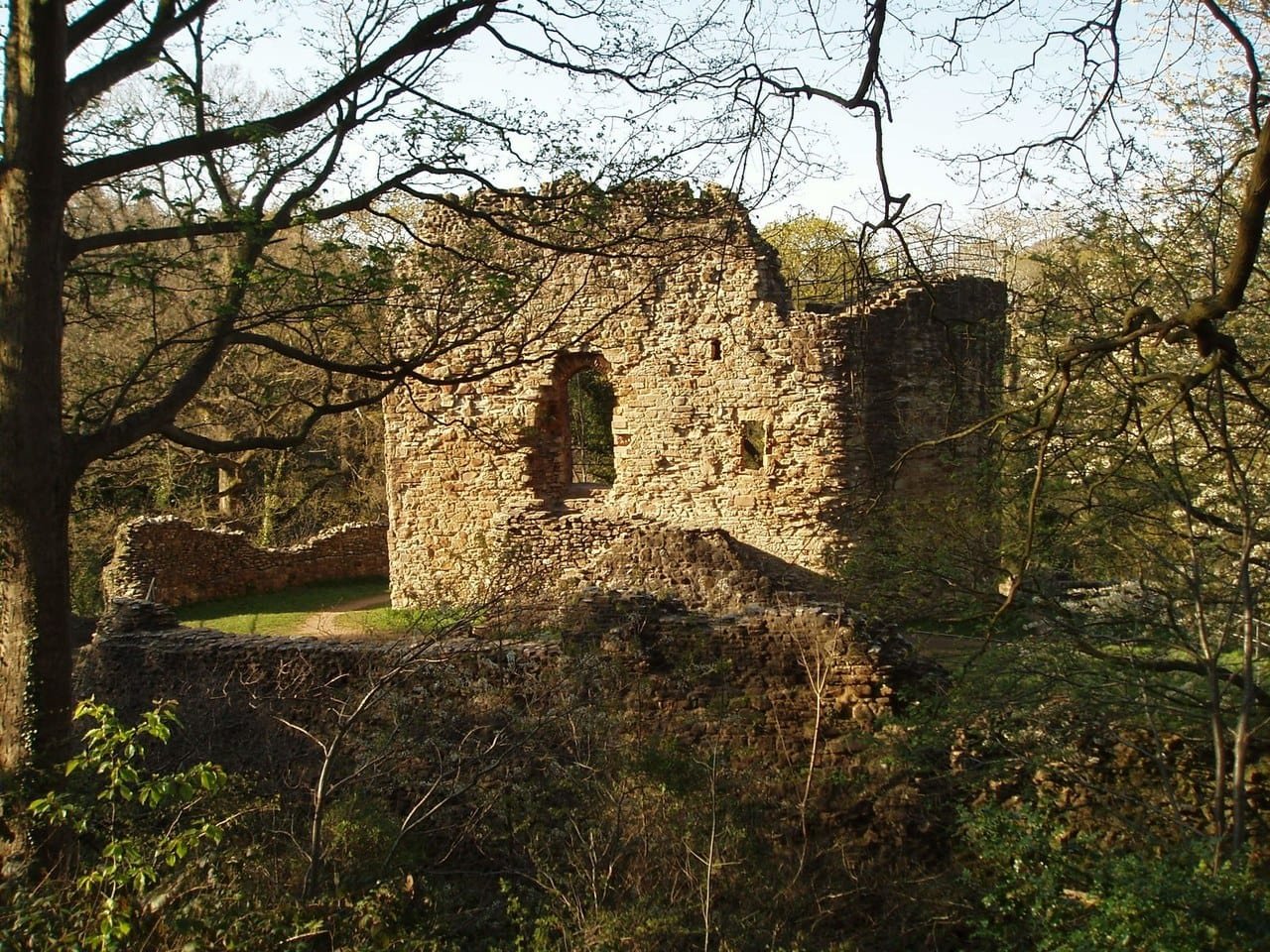
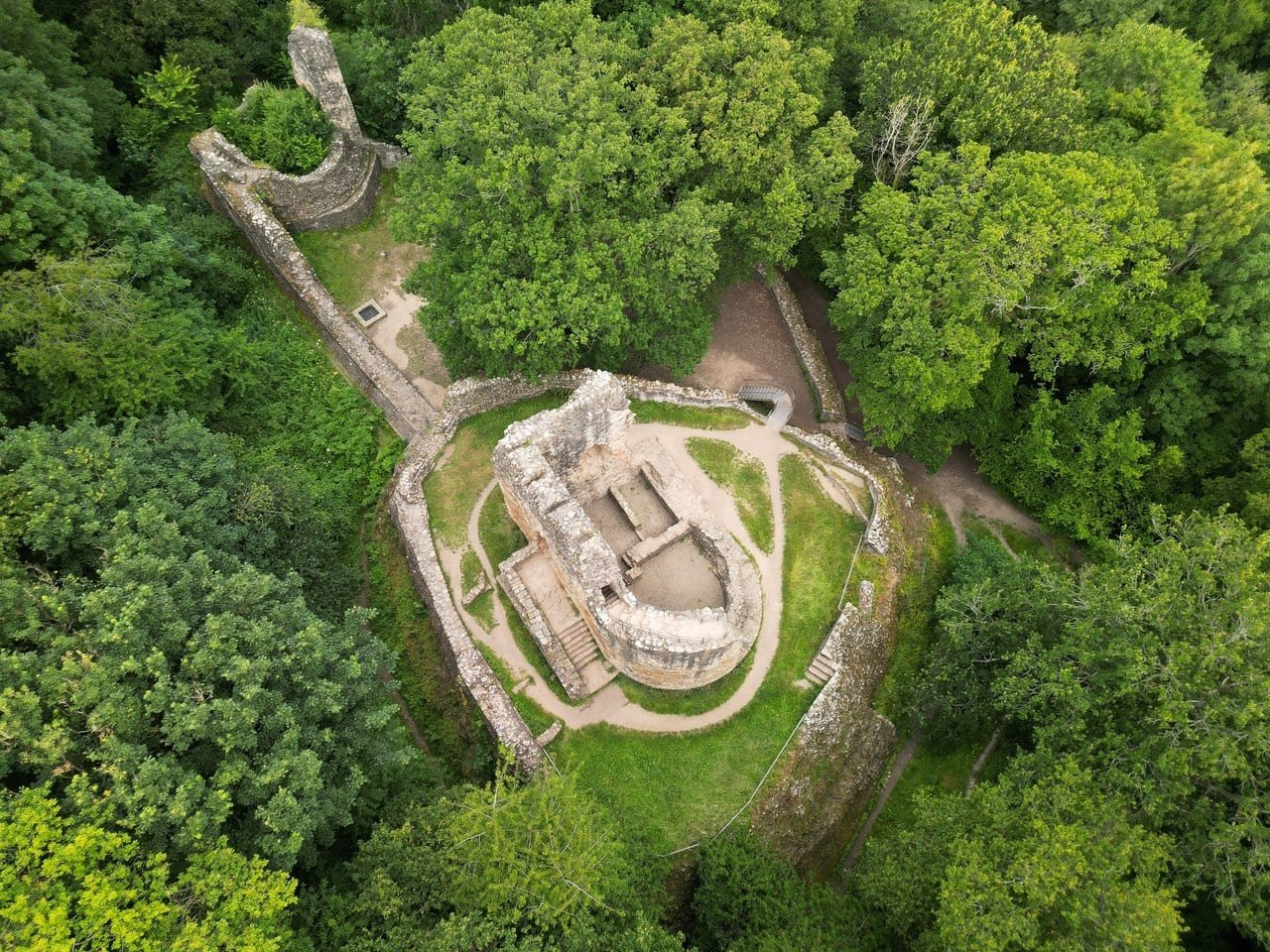
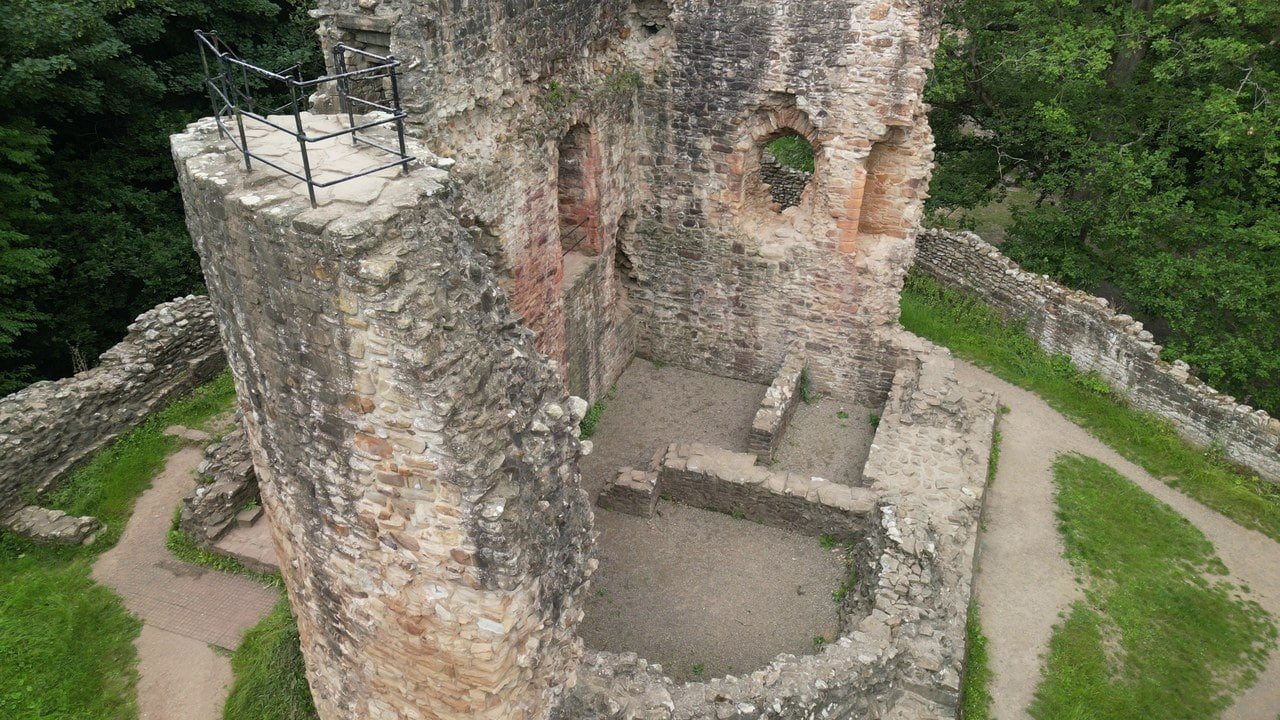
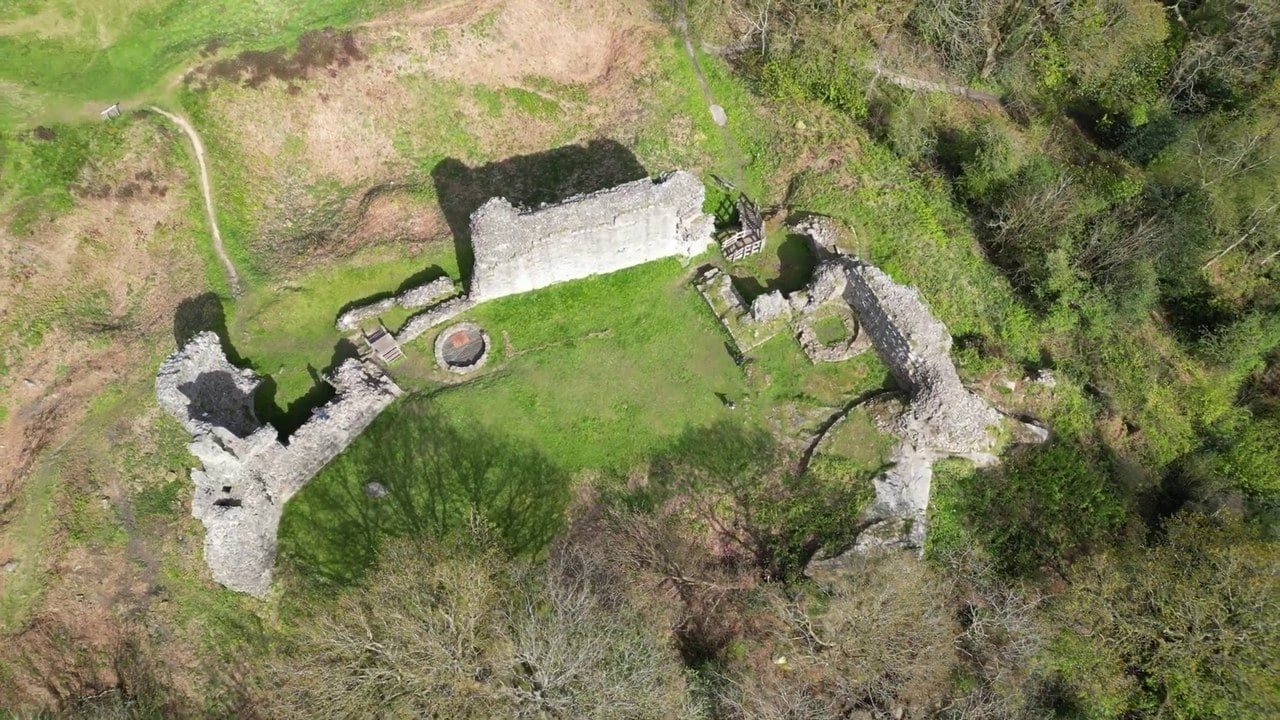
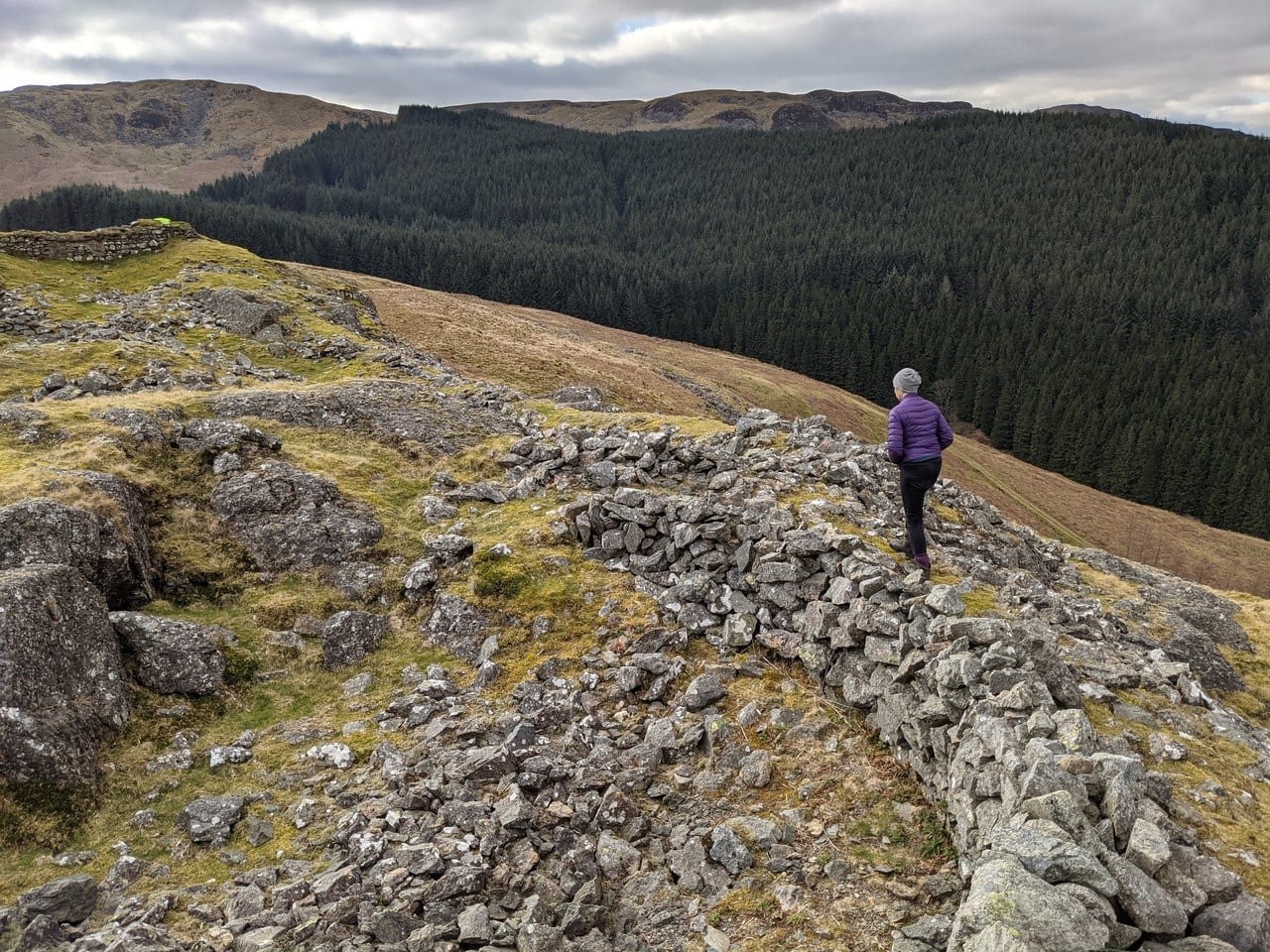
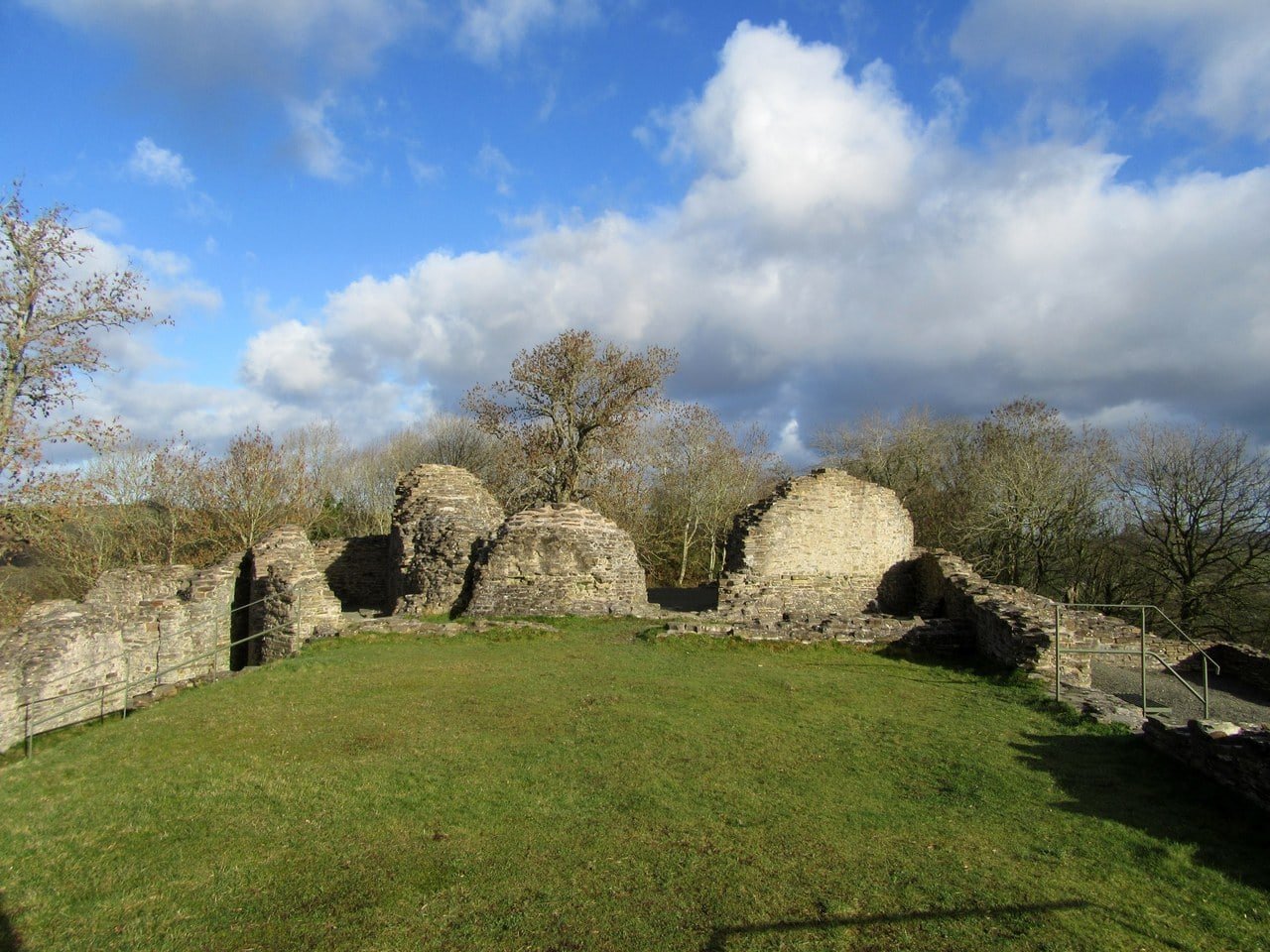
Of Ewloe, in a wooded hollow in Flintshire, Cadw’s page for the castle gives a reading in two stages: “The characteristically Welsh D-shaped stone tower was probably built by Llywelyn ap Iorwerth (Llywelyn the Great) some time after 1210, with the curtain walls and circular western tower being added by Llywelyn ap Gruffydd (Llywelyn the Last) nearly 60 years later.” The booklet records the debate: “There has been much debate about whether Ewloe was begun by Llywelyn ap Iorwerth in the 1220-30s or Llywelyn ap Gruffudd after 1257, but the evidence now seems to favour Llywelyn ap Iorwerth as the first builder on the site.” Cadw’s scheduling record takes the other side, calling Ewloe “a medieval castle built around 1257 by Llywelyn ap Gruffudd.” Carndochan, “buried in its own rubble in a very high and exposed location near Bala,” has no documents at all; Cadw dates it “by the form of its D-shaped tower” and calls it “almost certainly a castle of Llywelyn ap Iorwerth or Llywelyn ap Gruffudd.”
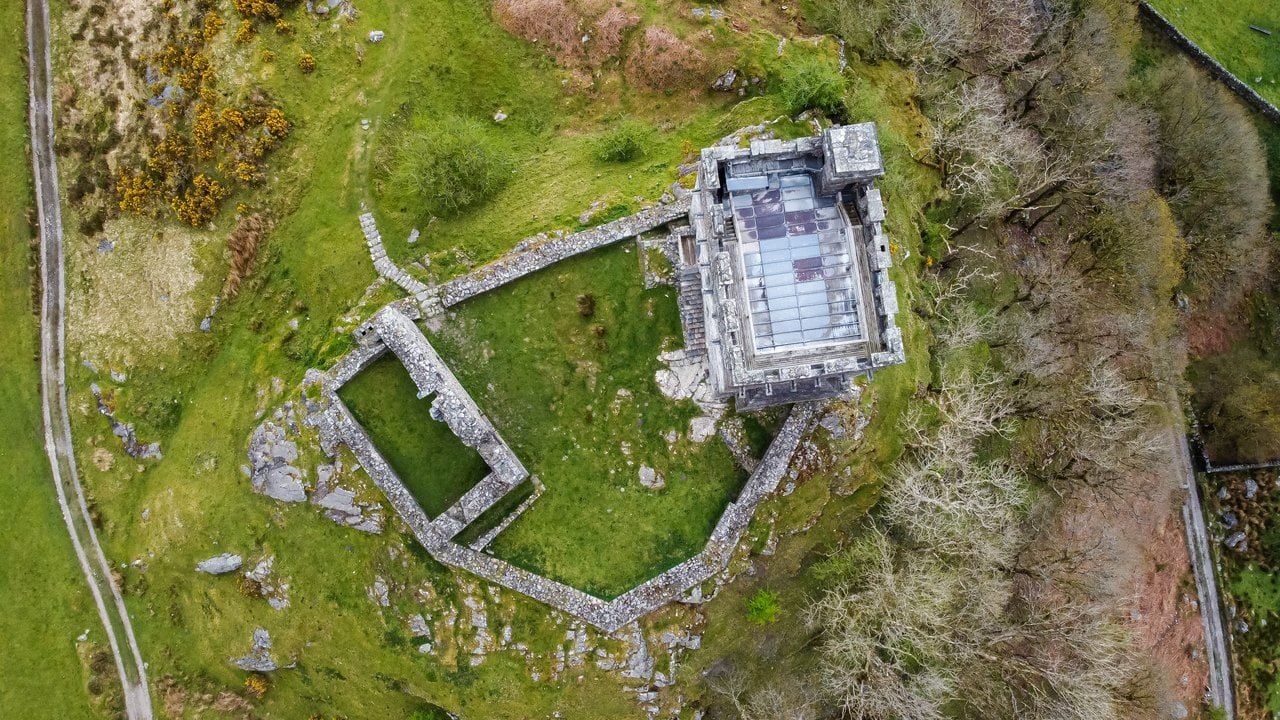
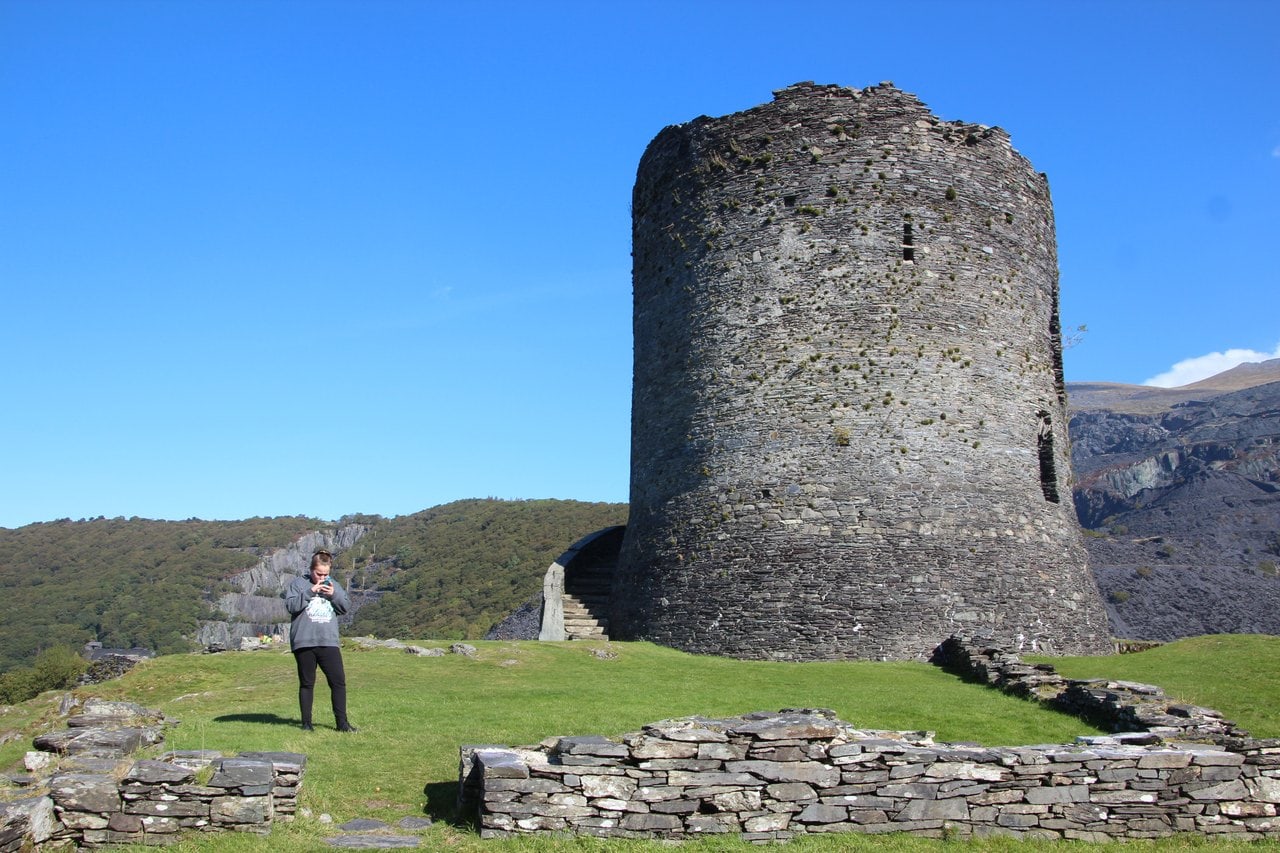
Dolwyddelan, which Cadw’s booklet says Llywelyn ap Iorwerth built, and Dolbadarn, “most likely” his too by Cadw’s page for the castle, follow different plans: a rectangular keep at Dolwyddelan and a round one at Dolbadarn. The booklet describes his castle at Dolwyddelan as “a rectangular keep of two storeys, with a well-appointed principal chamber above an unlit basement.” Cadw’s castles page calls Dolbadarn “the later castle,” but the dates its other records give the two castles overlap, and none of them settles which came first.
Powys
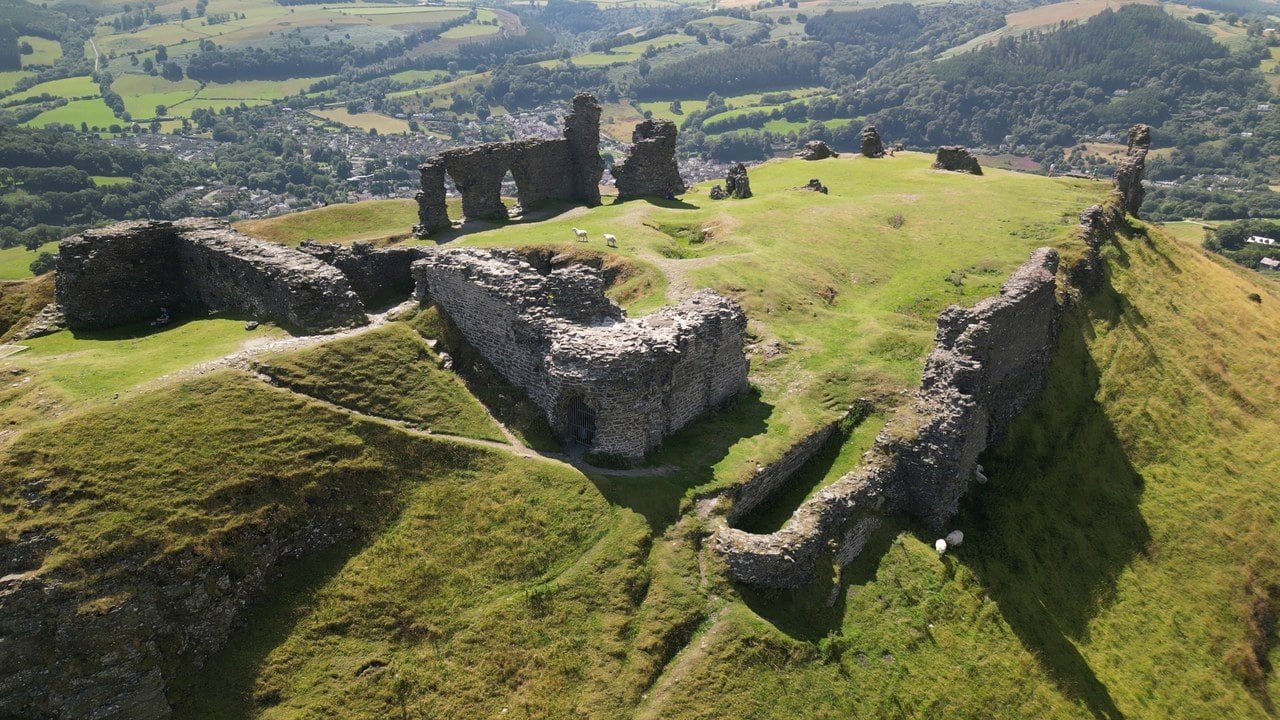
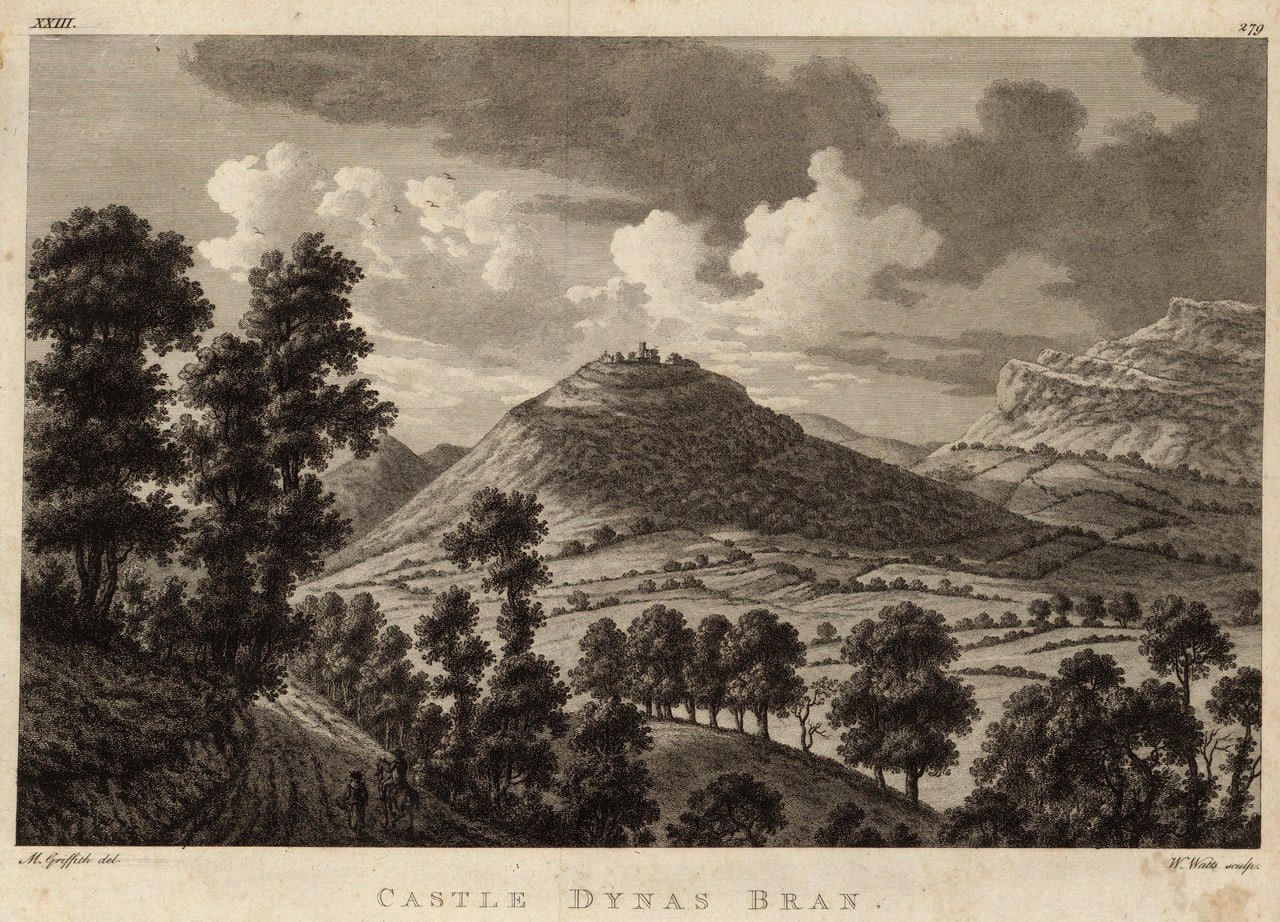
In northern Powys, the stone castle of Dinas Brân above Llangollen was “constructed during the 1260s by the lords of Powys Fadog, in the northwest corner of the hillfort,” in the words of Cadw’s scheduling record. The Royal Commission’s record says it was “probably Gruffudd ap Madog, son of the founder of nearby Valle Crucis Abbey, who rebuilt the castle in stone c.1270, but much like its predecessors, this third and last castle did not last long,” though the chronicle of the princes records his death on 7 December 1269. The two dates sit uneasily together, but the same record elsewhere dates the castle to “about 1270, if not rather earlier.”
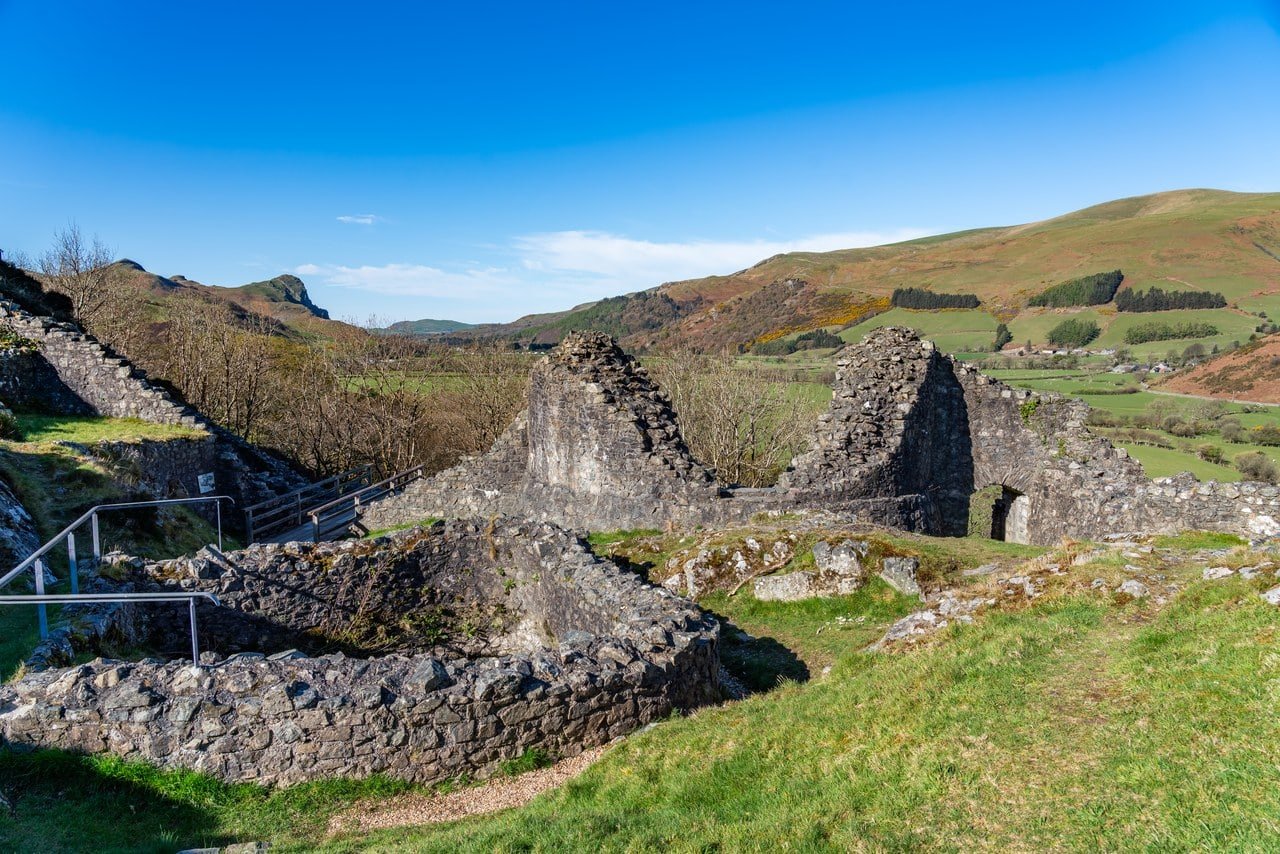
Llywelyn ap Gruffudd carried Gwynedd’s building into Powys: Cadw’s booklet says Dolforwyn, begun in 1273, “was deliberately sited to rival the royal castle and borough at Montgomery, just 4 miles away, and as a counter to the centre of power of Gruffudd ap Gwenwynwyn of Powys at Welshpool.”
Deheubarth
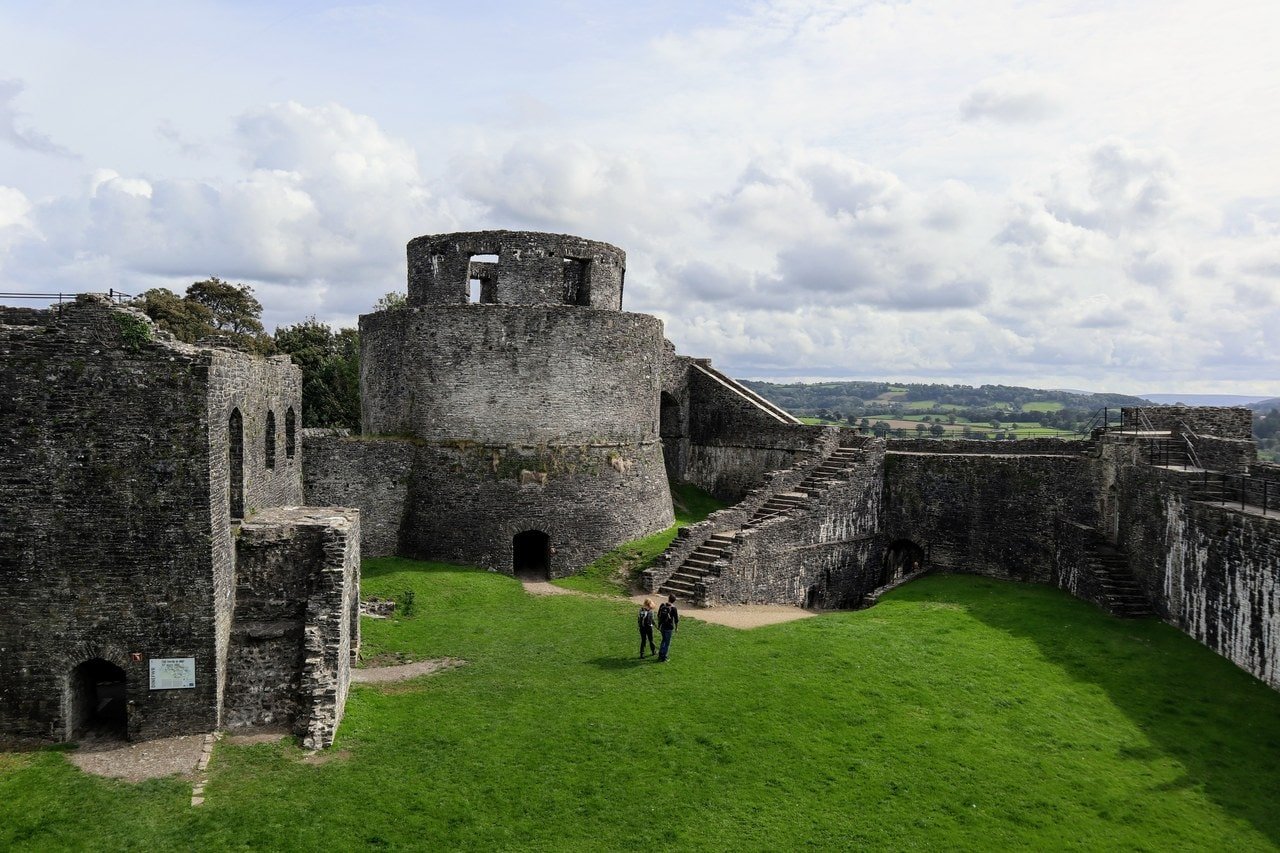
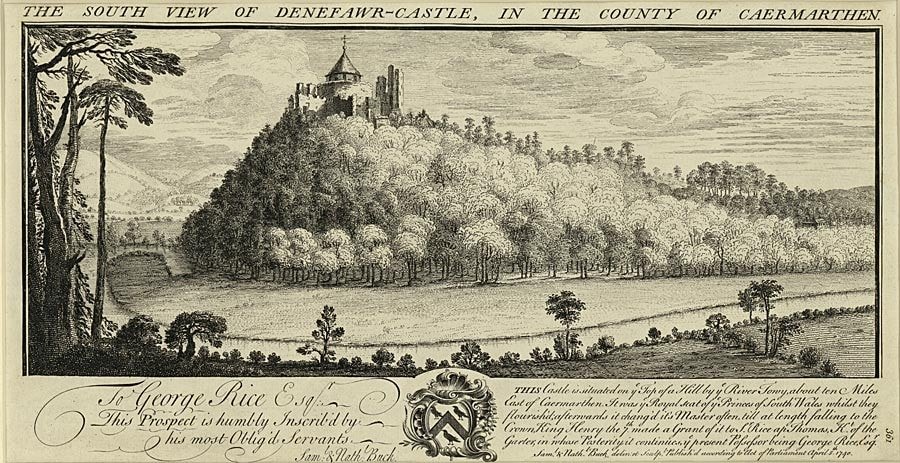
In Deheubarth, Rhys ap Gruffudd, the Lord Rhys, whom Cadw’s booklet calls prince of Deheubarth, “is recorded as building or occupying a number of castles”: the chronicle of the princes says he “erected the castle of Rhaiadr Gwy” (Rhayader), which the booklet dates to 1177, and Cadw thinks it likely that Dinefwr “owes its origin to Rhys ap Gruffudd.” The great round tower at Dinefwr “may have been built by his son, Rhys Gryg,” the booklet says.
Dryslwyn lies downstream of Dinefwr, “high upon a hill in the Tywi Valley,” in Cadw’s words. First documented in 1246, it grew under later lords of Deheubarth until, Cadw’s booklet says, the work of Rhys ap Maredudd in the 1280s made it “one of the largest masonry castles ever raised by the native Welsh lords.”
How the Princes Built: D-Shaped Towers, Keeps and Strong Sites
Cadw says the princes’ castles “were generally built on sites with strong natural defences (for example, on a hill-top site or next to a river),” and its own page for Ewloe gives the exception: “While the Welsh princes generally chose lofty vantage points for their fortresses, Ewloe sits in a hollow amid deep woodland.” Cadw’s rule of thumb is that “Welsh castles tend to be irregular, tailor-made for their rocky settings,” that “Deep rock-cut ditches often strengthened their natural defences,” and that their walls were “lower than their English equivalents, offering little protection to the characteristic D-shaped (not round) towers that were the real strongholds.” Their towers, Cadw’s castles page says, “were usually two storeys high.”
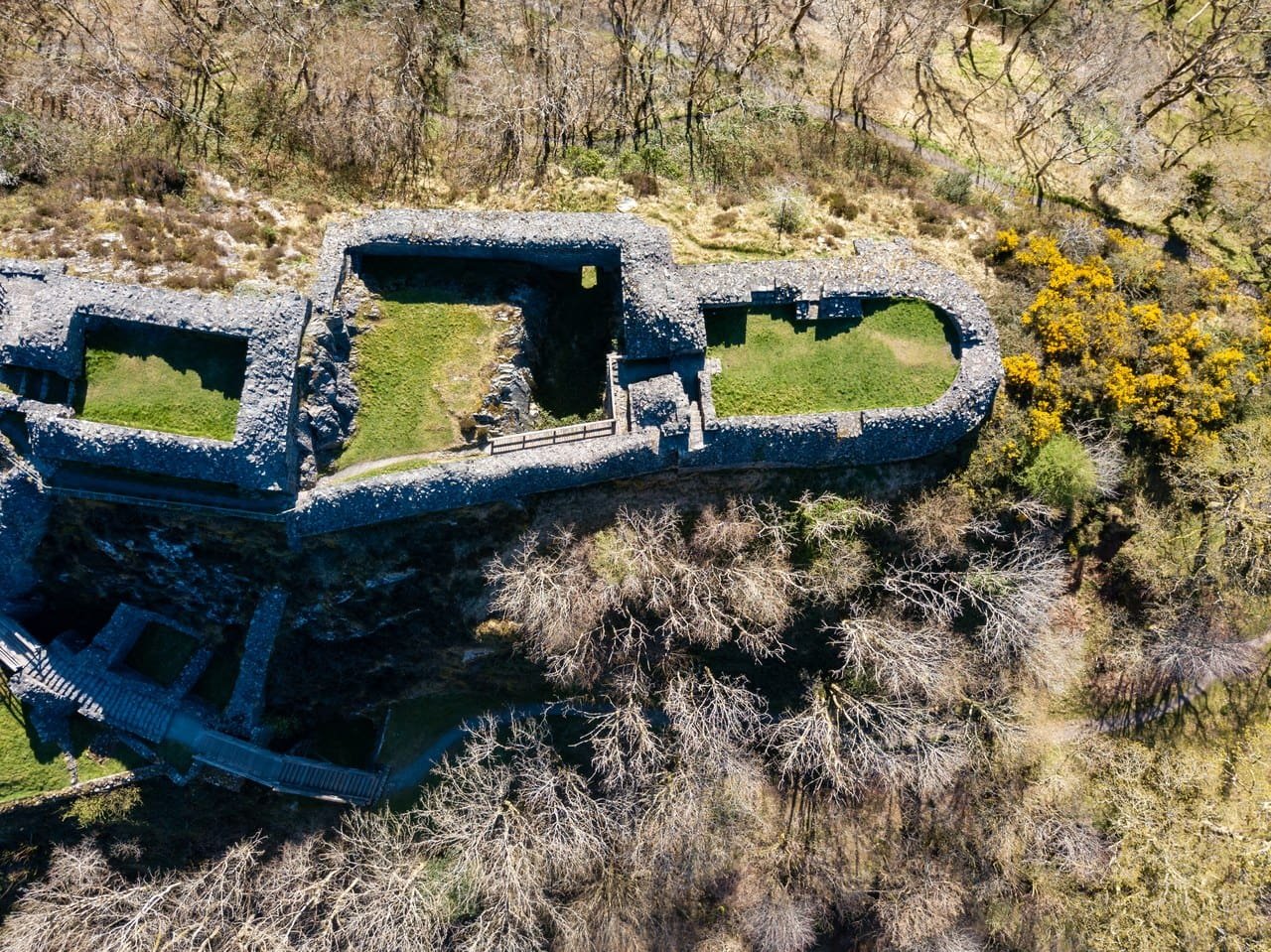
The form Cadw calls characteristically Welsh is the D-shaped, or apsidal, tower: in its booklet’s words, a plan “rectangular with one half-rounded end.” Cadw’s guidebook to Criccieth says towers of this kind “were being built, principally as keeps, by the rulers of Gwynedd during the thirteenth century,” and examples survive at Castell y Bere, Ewloe and Carndochan. At Dinas Brân one forms part of the curtain wall, and Dolforwyn has a flanking D-shaped tower on its curtain. The shape was not the princes’ alone: Cathcart King noted in 1988 that “Apsidal keeps are of Welsh rather than English origin, but there is one at Roch (Pembrokeshire, now part of Dyfed) whose proprietors were English.”
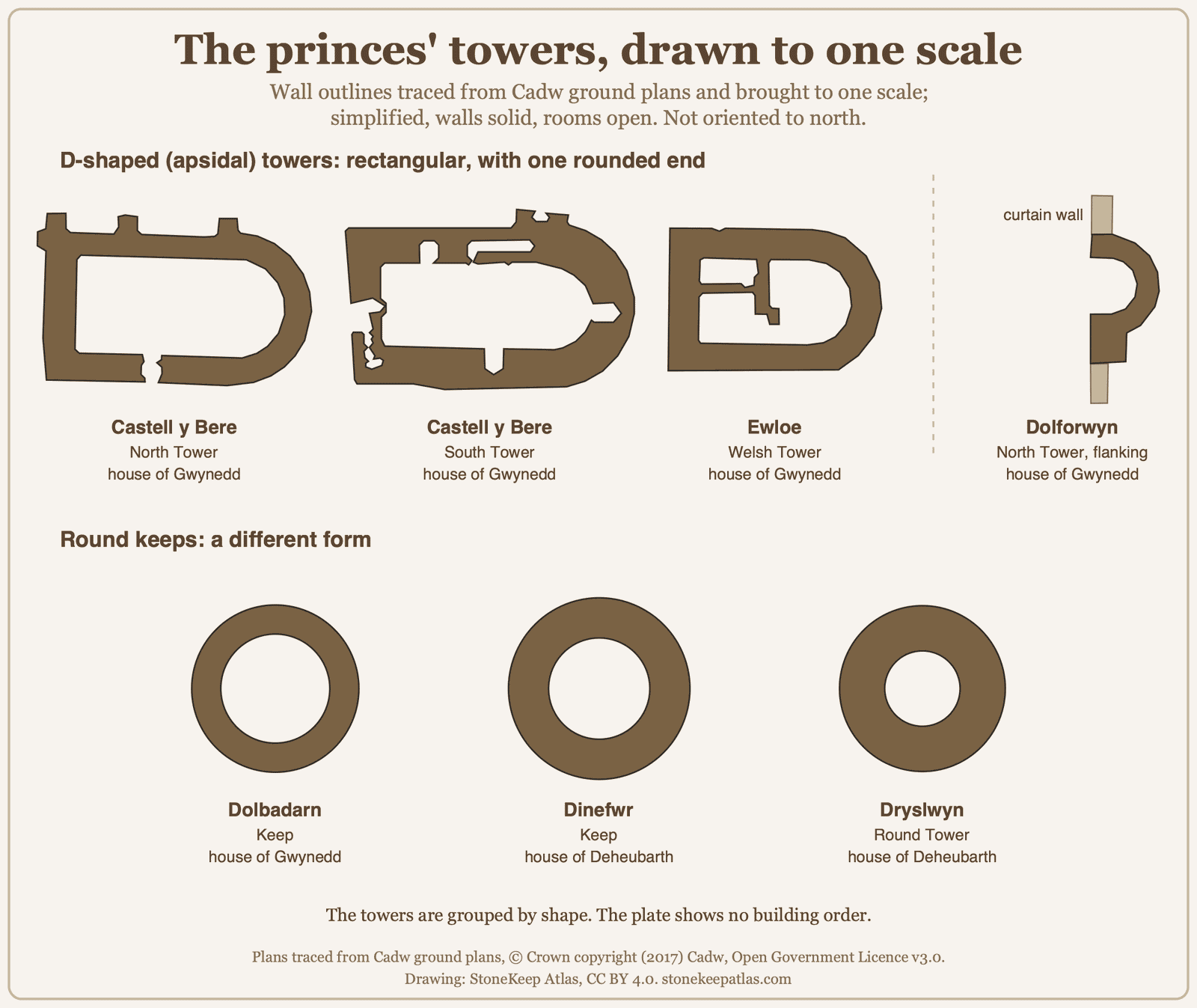
Cadw’s rule of thumb has its exceptions: the princes built round keeps too, at Dolbadarn, Dinefwr and Dryslwyn, and Cadw’s page for Dolbadarn says that tower’s design “was probably inspired by that of similar fortresses built by Llywelyn’s rivals in the borderlands of the southern Marches.” Dinefwr’s scheduling record notes of its round keep: “The present ground-floor entrance is a later insertion, and the original door was on the first floor.” At Dolforwyn, Cadw’s ground plan places a rectangular keep and a large round tower in the same Welsh building phase.
Gatehouses are another matter. Criccieth’s gatehouse has twin D-shaped towers too, but it is a different design, and Cadw’s guidebook thinks that for gatehouses of that kind Llywelyn ap Iorwerth “may have taken his inspiration from further afield.” Castell y Bere’s entrance, Cadw says, had “ditches and two gate-towers, each with its own drawbridge and probably portcullis,” and it adds that “Such a sophisticated entrance cannot be matched in any other Welsh castle.” Castell y Bere’s south tower is Welsh work too, and Cadw’s scheduling record calls it an “apparent addition” among alterations it says “are difficult to date”; who built it is not known.
The Castles in the Wars, 1277 to 1288
“In 1276-77 and 1282-83,” Cadw writes, “King Edward I led two military campaigns in Wales to defeat the Welsh princes and bring Wales under English rule.” Cathcart King was sure “that it was against the king that native Welsh castles were of the least use”; their use, he argued, was against “many less terrible potential enemies, English and perhaps more particularly Welsh, who could be held off by well-sited strongholds.”
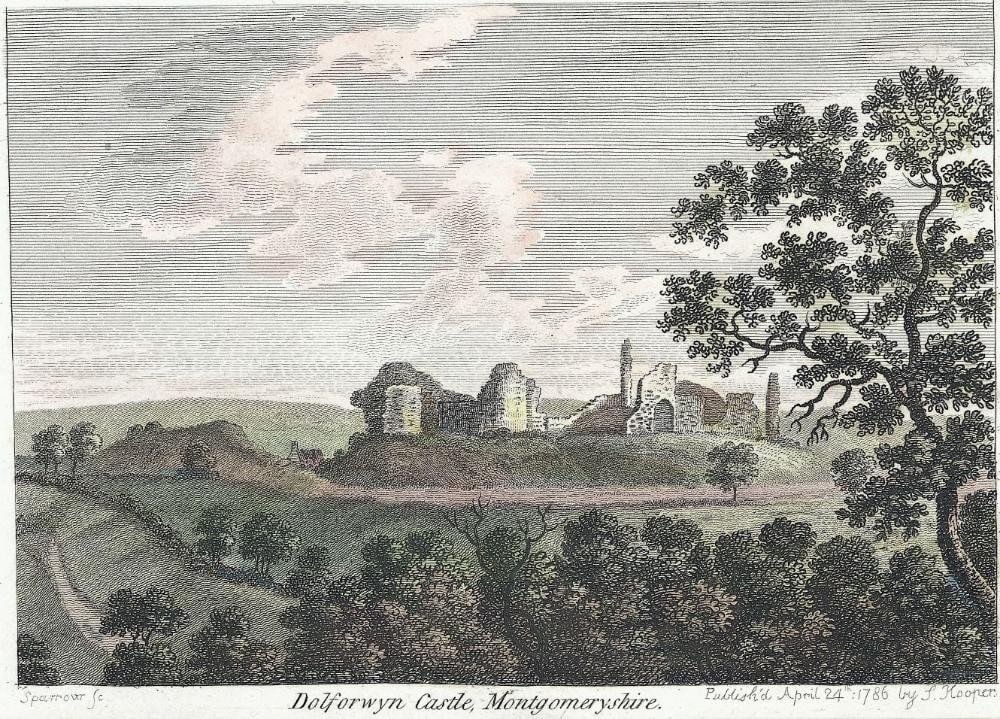
Who took Dolforwyn in 1277 depends on the record. Cadw’s booklet says it was “besieged and captured by Edward I”; Cadw’s page for the castle names the Marcher lord Roger Mortimer alone; and the chronicle of the princes says that “the earl of Lincoln and Roger Mortimer besieged the castle of Dolvorwyn, and at the end of a fortnight they obtained it, through want of water.” Edward I’s itinerary puts him in Norfolk and Suffolk while it fell, and the castle was held in his name before it was restored to Mortimer.
Other castles passed the same year, among them Dinas Brân, whose burning in 1277 opens this article. In the south, Dinefwr’s lord, Rhys Wyndod, had surrendered to Edward I’s forces by 24 April 1277, and on 5 June, in Ralph Griffiths’s words, the castle was “seized in the king’s name.” His kinsman Rhys ap Maredudd of Dryslwyn, who had made his peace on 11 April, had been promised Dinefwr once the king held it; the king kept it. Carreg Cennen, which Cadw’s scheduling record says “originated as a stronghold of the rulers of the kingdom of Deheubarth in the 12th century,” was taken by Edward I’s forces in 1277. Ewloe fell too; the booklet speaks only of “its capture in 1277.” Dolbadarn stayed in Welsh hands until 1283, but 1277 ended an imprisonment that Cadw’s scheduling record places in its round tower: “It is probable that this tower was where Llywelyn ap Gruffudd kept his brother, Owain ap Gruffudd imprisoned for two decades, from 1255 to 1277.”
Between the wars, Llywelyn’s brother Dafydd ap Gruffudd built Caergwrle on “lands given to him by Edward I and taken from Powys,” and it was from there that he attacked the English garrison at Hawarden in 1282, “which sparked Edward’s second Welsh campaign,” in the words of Cadw, which calls Caergwrle “the last castle to be built by a native Welsh prince.”
After Llywelyn ap Gruffudd was killed in December 1282, the princes’ castles in Gwynedd fell one after another in the first months of 1283: Dolwyddelan by 18 January 1283, Criccieth by 14 March, Castell y Bere on 25 April and Dolbadarn probably in May. Dafydd “held out until the following June,” the Dictionary of Welsh Biography says, and a month before his betrayal “he was addressing letters as Prince of Wales from his mountain stronghold of Dolbadarn.”
Dryslwyn’s turn came four years later and for another reason. Rhys ap Maredudd, a lord who had helped Edward I in 1282, rose against him in 1287 and, J. E. Morris writes, following the Annales Cambriae, “seized not only Dynevor, but also Caercynan and Llandovery,” among them the castles now called Dinefwr and Carreg Cennen. Royal troops were sent against Dryslwyn, and Cadw’s page for the castle says the attackers “eventually brought down a large section of the walls and the castle fell into the hands of the English crown”; the Dictionary of Welsh Biography dates its taking to about 5 September. Rhys “was still at large,” the Dictionary goes on, “and active enough until Newcastle Emlyn, too, was taken, 20 January 1288.”
What Became of the Princes’ Castles
The three states these castles survive in are clearest site by site. At Castell y Bere the English “undertook some works,” the booklet says, and the History of the King’s Works records that after the army left “5 masons and 5 carpenters remained behind in the castle ‘to carry out various works’”. Cadw’s ground plan shows where: it colors as English only the walls of the small “ditch yard” between the middle and south towers. Cadw’s page for the castle says the English “abandoned the site during an uprising against their rule in 1294.”
Cadw’s ground plan of Criccieth colors the inner ward and gatehouse as Llywelyn ap Iorwerth’s, the outer ward as his grandson’s, and the casing of the south-east tower as Edward I’s, and the guidebook says the gatehouse “was raised by Llywelyn ab Iorwerth in the 1230s to the level just below the square holes” and “was heightened during the reign of King Edward I and again at the time of King Edward II when the earlier crenellations were blocked up.”
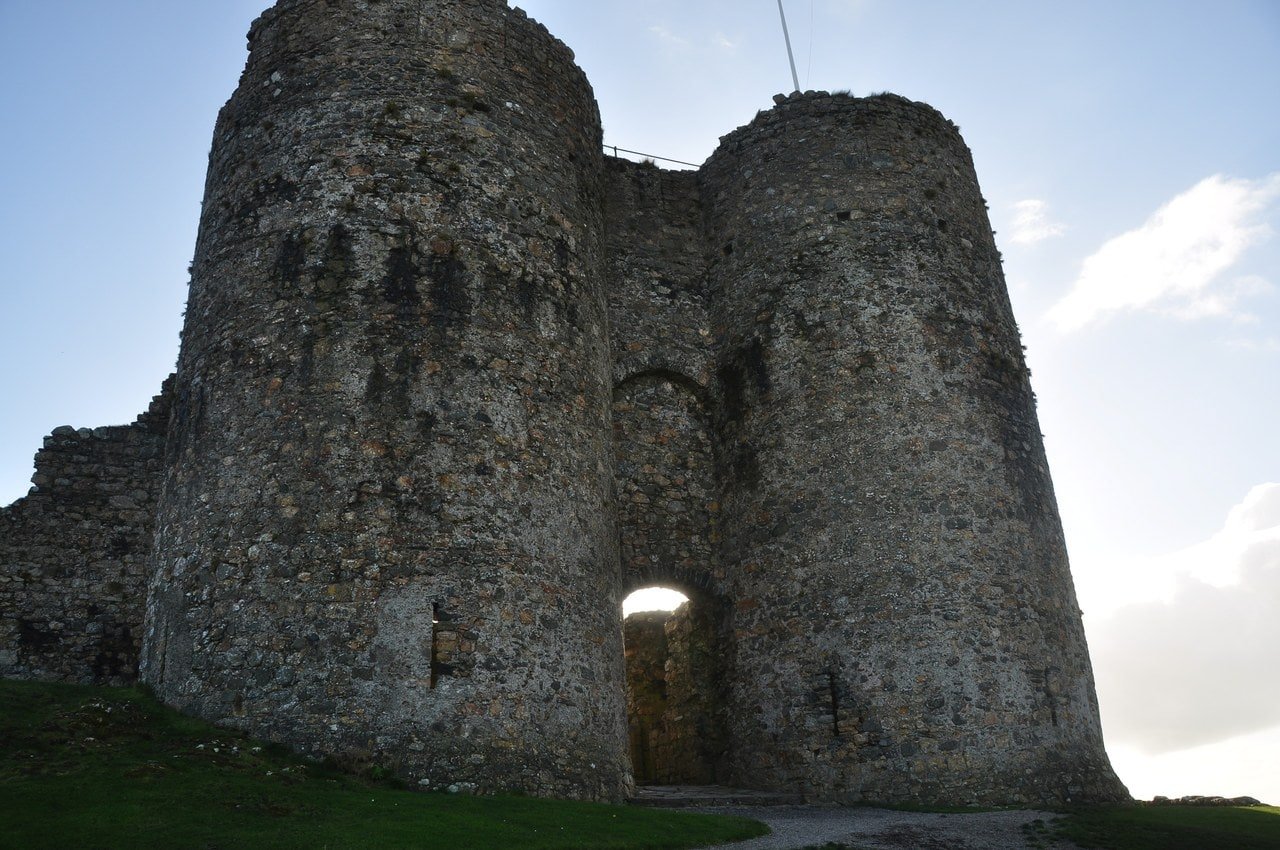
At Dolwyddelan the west tower is English work, begun after the English took the castle in 1283; the keep was later raised in height, though the records differ on when and by whom, and Cadw’s booklet says “The battlements are a nineteenth-century addition.” At Dolbadarn the change the records agree on is a subtraction: Cadw’s scheduling record says the castle “was soon supplanted by Edward I’s new fortification at Caernarfon … and so was partially dismantled and abandoned,” and its listing record says some of its timber went to Caernarfon in 1284.
Elsewhere the new owners took different courses. Dolforwyn passed to the Mortimers, Cadw’s booklet says, “who repaired it and erected the greater part of the domestic buildings.” Dinas Brân was held for the king and then, by the booklet’s account, “transferred to John de Warenne, who made his base at Holt Castle, and did not rebuild it.” At Ewloe, in the booklet’s words, “There is no evidence that the English undertook any work following its capture in 1277, and the 1311 report states that the castle was then ‘in great part standing’.” At Caergwrle, Cadw says, “Work on the castle continued under the Crown, but it was probably incomplete when it was abandoned after a fire and was ruinous by 1335.” Edward I’s itinerary puts the king at Hope on 26 and 27 August 1283, and the History of the King’s Works records that on the 27th the castle was “damaged if not destroyed by an accidental fire,” while the king and queen were at Hope.
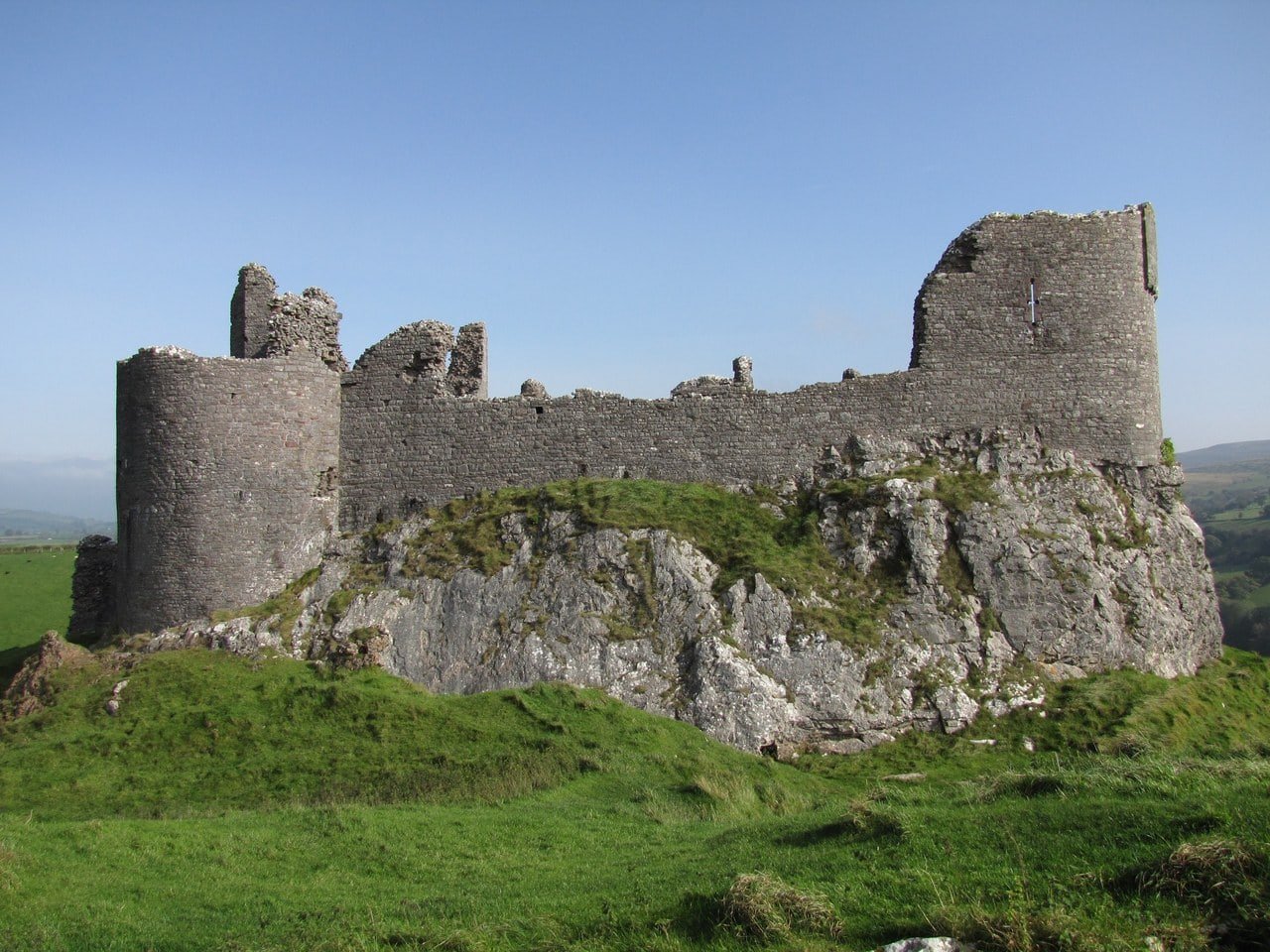
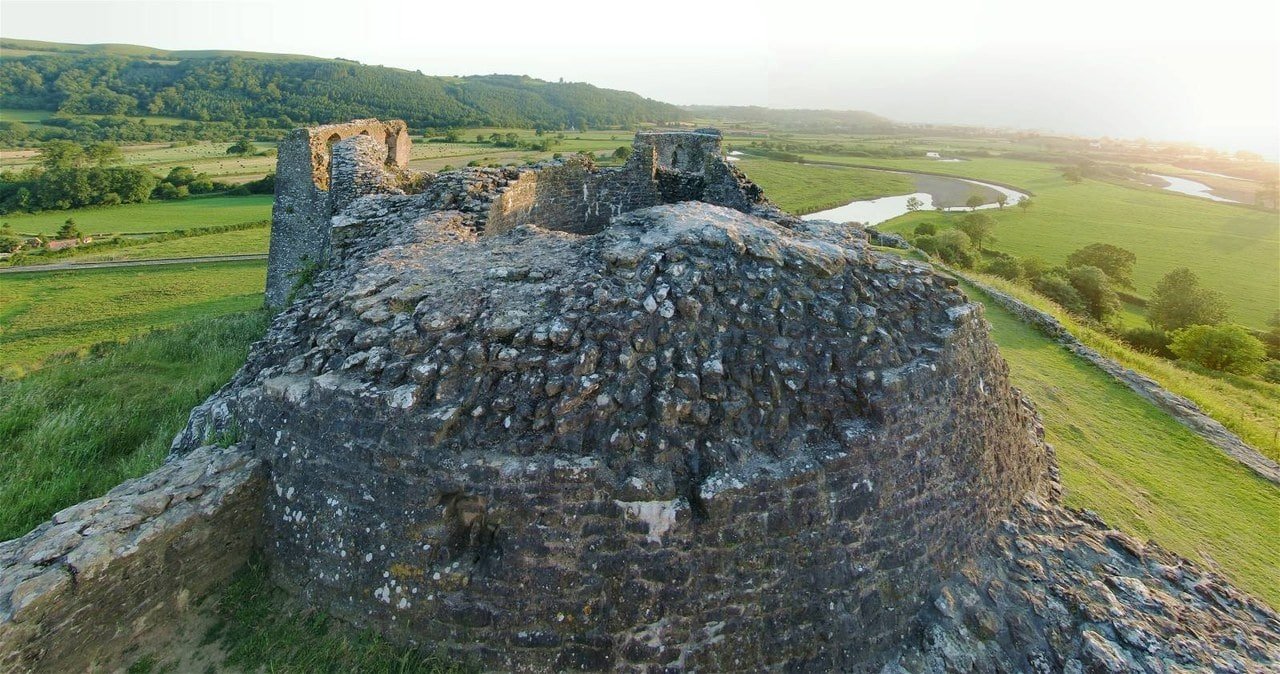
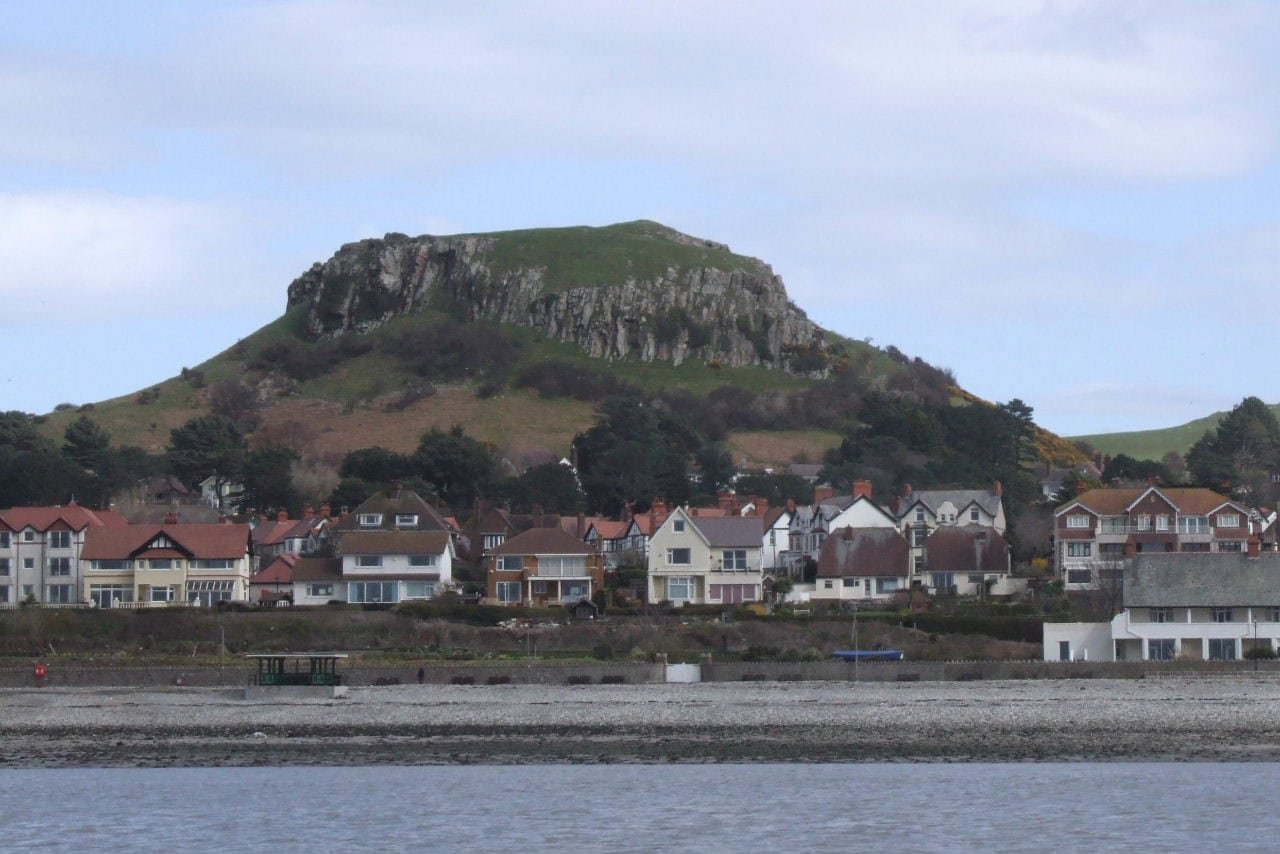
In the south, Dinefwr served, Cadw’s scheduling record says, as “a centre of royal authority and administration” from the late thirteenth through the fifteenth century, and the Dryslwyn record says the same of that castle. The Royal Commission’s record calls Dinefwr’s great round tower “now a two storey stump crowned by the remains of the seventeenth century summerhouse.” At Carreg Cennen the later castle replaced the earlier one: Cadw’s scheduling record says that under John Giffard and his son “nearly all the present stone structure was built, obliterating any traces of earlier works.” In the north, Deganwy is the exception, a site whose later castle came before the wars rather than after them. Cadw’s booklet calls it the site of successive castles of the Norman Robert of Rhuddlan and of the princes of Gwynedd, and says most of its visible ruins are Henry III’s castle of 1245-50, which Llywelyn ap Gruffudd destroyed in 1263.
Visiting the Castles of the Welsh Princes
Cadw’s booklet on the castles of the lords and princes lists two kinds of site. Its “Welsh castles in Cadw’s care” are Caergwrle, Carreg Cennen, Castell y Bere, Criccieth, Dinefwr, Dolbadarn, Dolforwyn, Dolwyddelan, Dryslwyn and Ewloe, together with the fifteenth-century Raglan. Its “Welsh castles with public access, not in Cadw’s care,” among them Dinas Brân, Carndochan and Dinas Emrys, are, in the booklet’s words, “owned by local authorities or in private hands, but offering some level of public access.” Cadw’s own pages grade the walk to Castell y Bere, Carreg Cennen, Dinefwr, Dolforwyn, Dolwyddelan and Dryslwyn “Level 4 – Strenuous,” to Caergwrle, Criccieth, Dolbadarn and Ewloe “Level 3 – Moderate,” and to the court at Llys Rhosyr “Level 2 – Easy.”
In the north-west, Dolbadarn and Dolwyddelan have full guides of our own. Cadw calls Dolbadarn, near Llanberis, the “solitary guardian of Eryri’s (Snowdonia’s) Llanberis Pass,” and its page for Dolwyddelan, on the A470 between Blaenau Ffestiniog and Betws-y-Coed, names “the rugged mountains of Eryri (Snowdonia)” as the castle’s backdrop. For Dolwyddelan, Cadw’s directions give the station of the same name, on the Llandudno to Blaenau Ffestiniog line. At Dinas Emrys, Cadw’s booklet says, “A rectangular stone keep is the clearest relic of the medieval castle, but it is on the site of an earlier Iron Age hillfort and possibly an earlier medieval fortification.” With “no documentary evidence for the construction of the stone keep,” the booklet thinks it “likely to belong to the reign of Llywelyn ap Iorwerth ….” The booklet lists the site under Beddgelert, and the National Trust’s own trail to it starts at the Trust’s Craflwyn car park outside Beddgelert; its last climb is, in the Trust’s words, “steep and rocky.”
Elsewhere in the north-west, Criccieth stands on the coast. It is entered “through the visitor centre,” and its access guide calls the path up “around 70 meters and very steep with around 10 staggered stone steps spread out.” Further south, Castell y Bere, north of Tywyn, stands “within secluded woodland,” and visitors “follow the trail from the car park”; Cadw’s directions give Tywyn as its railway station. Carndochan is near Bala, and the court at Llys Rhosyr near Newborough on Anglesey.
In the north-east, Ewloe and Caergwrle are both in Flintshire. Ewloe is reached “across farmland, approx. 500 metres from roadside,” and Caergwrle’s entrance is a short walk from Caergwrle station, by Cadw’s directions. Dinas Brân stands “on a towering site in the Dee valley overlooking Llangollen …,” as Cadw’s booklet puts it. The Clwydian Range and Dee Valley National Landscape gives the way up as “a well-signed path up from the canal in Llangollen” and calls it a steep climb.
To the east, Dolforwyn stands near Montgomery, and Cadw’s directions give Newtown as its station.
In the south-west, Dinefwr and Dryslwyn are both in the Tywi valley, with Llandeilo the station Cadw gives for Dinefwr. Dinefwr is “owned by the National Trust,” and visitors “follow the path up into the woods”; at Dryslwyn access is by “a steep climb from the lower car park,” and visitors must “cross the main road to access the entrance gate.” Carreg Cennen “is a jointly managed site and is not staffed by Cadw.” Cadw’s page for the castle puts the car park “within easy reach of the castle farm,” and says the castle “is located at the top of a steep hill, which is sometimes occupied by small livestock.”
Prices, opening times and closures change, so this article carries none of them. Our guides to Dolbadarn and Dolwyddelan give dated entry details. For the other sites in Cadw’s care, read Cadw’s page for each before traveling: it gives the current arrangements, and Carreg Cennen’s also points to the castle’s own website.
More Views of the Castles of the Welsh Princes
Common Questions
Did the Welsh build castles of their own?
Yes. Cadw’s booklet on the castles of the lords and princes says: “Although relatively few (less than 30) of the surviving castles in Wales are formally recorded as being Welsh foundations, the original numbers must have been much higher.” That is a different measure from the “fewer than 40” fortresses Cadw counts elsewhere as “definitely built by native hands.” The booklet’s figure counts surviving castles only, and only those with a formal record.
Were the Welsh princes who built castles called princes of Wales?
Some were. The title is bound up with Llywelyn ap Gruffudd’s career: the Dictionary of Welsh Biography says that in 1258 “he declared himself Prince of Wales,” and Cadw’s booklet says that “In 1267, King Henry III of England formally recognised Llywelyn ap Gruffudd as prince of Wales in the Treaty of Montgomery.” His grandfather Llywelyn ap Iorwerth used another style after 1230, “Prince of Aberffraw and Lord of Snowdon,” though the chronicle of the princes calls him “prince of Wales” at his death in 1240.
When did the rule of the Welsh princes end?
Cadw marks it at Cilmeri, where “it is believed Prince Llywelyn ap Gruffudd, the last native prince of Wales, was killed in a skirmish with the English in 1282,” and says “His death marked the end of independent, native rule in Wales.” The Dictionary of Welsh Biography adds that his brother Dafydd was tried at Shrewsbury and put to death there on 3 October 1283.
Why did the Welsh princes build D-shaped towers?
Cadw’s booklet says what the shape gave its builders: the plan provided “a spacious living chamber, combined with the military advantages of a wide field of defensive fire at the rounded end.” Paul Davis calls the form “an indigenous development consisting of an oblong tower with one rounded side.”
Can you visit the castles of the Welsh princes?
Many of them, but “public access” means different things: Cadw’s booklet lists Dinas Brân as “In the care of Denbighshire County Council, public access,” Dinas Emrys as “In the care of the National Trust, permissive access,” and Carndochan as “Privately owned but on open access land,” and gives Deganwy as “Privately owned, permissive access to the base of the rock.”
Beyond the Castles of the Welsh Princes
Our guides to Dolbadarn, with its round keep, and Dolwyddelan, with its rectangular keep, give the history, the fabric and the visit of each in full. For the general building types this article names, see our guides to castle towers and turrets, castle keeps and gatehouses. And our guide to castles in Wales sets the princes’ castles beside those of Edward I and the Marcher lords.
Conclusion
The princes built in earth and timber and then in stone, usually on strong sites, and in Gwynedd they built the D-shaped tower that Cadw calls characteristically Welsh. What is left depends on which of three states a castle survives in. Where a later castle replaced the earlier one, little or nothing of the princes’ work may remain: at Carreg Cennen, no trace of the earlier castle. Where the crown or Marcher lords altered what they took, as at Criccieth and Dolforwyn, the princes’ work survives under a later hand. And where a castle was left largely as the English found it, as at Ewloe and Dinas Brân, the princes’ building is most of what stands. At Ewloe, which a report of 1311 found “in great part standing,” it includes a Welsh Tower with no evidence of English work, set, in Cadw’s words, “in a hollow amid deep woodland.”
Principal Sources
- Avent, Richard. Criccieth Castle, Penarth Fawr Medieval Hall-House, St Cybi’s Well. Cadw, 2011.
- Cadw. “About us.” cadw.gov.wales.
- Cadw. “Castell Caergwrle.” cadw.gov.wales.
- Cadw. “Castell Carreg Cennen.” cadw.gov.wales.
- Cadw. “Castell Cricieth.” cadw.gov.wales.
- Cadw. “Castell Cricieth – Access Guide.” cadw.gov.wales.
- Cadw. “Castell Dinefwr.” cadw.gov.wales.
- Cadw. “Castell Dolbadarn.” cadw.gov.wales.
- Cadw. “Castell Dolforwyn.” cadw.gov.wales.
- Cadw. “Castell Dolwyddelan.” cadw.gov.wales.
- Cadw. “Castell Dryslwyn.” cadw.gov.wales.
- Cadw. “Castell Ewloe.” cadw.gov.wales.
- Cadw. “Castell y Bere.” cadw.gov.wales.
- Cadw. “Castles of Wales.” cadw.gov.wales.
- Cadw. “Castles of the Lords and Princes of Wales.” cadw.gov.wales.
- Cadw. The Castles of the Lords and Princes of Wales. cadw.gov.wales.
- Cadw. “Ground Plan – Castell y Bere.” cadw.gov.wales.
- Cadw. “Ground Plan – Criccieth Castle.” cadw.gov.wales.
- Cadw. “Ground Plan – Dinefwr Castle.” cadw.gov.wales.
- Cadw. “Ground Plan – Dolbadarn Castle.” cadw.gov.wales.
- Cadw. “Ground Plan – Dolforwyn Castle.” cadw.gov.wales.
- Cadw. “Ground Plan – Dryslwyn Castle.” cadw.gov.wales.
- Cadw. “Ground Plan – Ewloe Castle.” cadw.gov.wales.
- Cadw. Listed building 18253: Dolwyddelan Castle. cadwpublic-api.azurewebsites.net.
- Cadw. Listed building 21854: Dolbadarn Castle. cadwpublic-api.azurewebsites.net.
- Cadw. “Llys Rhosyr.” cadw.gov.wales.
- Cadw. “More about Carreg Cennen.” cadw.gov.wales.
- Cadw. “More about Castell Dolwyddelan.” cadw.gov.wales.
- Cadw. “More about Castell y Bere.” cadw.gov.wales.
- Cadw. Scheduled monument AN129: Llys Rhosyr. cadwpublic-api.azurewebsites.net.
- Cadw. Scheduled monument CM001: Castell Carreg Cennen. cadwpublic-api.azurewebsites.net.
- Cadw. Scheduled monument CM029: Castell Dinefwr. cadwpublic-api.azurewebsites.net.
- Cadw. Scheduled monument CM030: Castell Dryslwyn. cadwpublic-api.azurewebsites.net.
- Cadw. Scheduled monument CN015: Castell Cricieth. cadwpublic-api.azurewebsites.net.
- Cadw. Scheduled monument CN040: Castell Dolwyddelan. cadwpublic-api.azurewebsites.net.
- Cadw. Scheduled monument CN066: Castell Dolbadarn. cadwpublic-api.azurewebsites.net.
- Cadw. Scheduled monument DE021: Castell Dinas Brân. cadwpublic-api.azurewebsites.net.
- Cadw. Scheduled monument FL002: Castell Ewloe. cadwpublic-api.azurewebsites.net.
- Cadw. Scheduled monument ME023: Castell y Bere. cadwpublic-api.azurewebsites.net.
- Clwydian Range and Dee Valley National Landscape. “Visit Castell Dinas Brân.” clwydianrangeanddeevalleyaonb.org.uk.
- Davis, Paul R. Castles of the Welsh Princes. Swansea: Christopher Davies, 1988.
- Dictionary of Welsh Biography. “DAFYDD ap GRUFFYDD.” biography.wales.
- Dictionary of Welsh Biography. “LLYWELYN ap GRUFFYDD.” biography.wales.
- Dictionary of Welsh Biography. “LLYWELYN ap IORWERTH.” biography.wales.
- Dictionary of Welsh Biography. “RHYS ap MAREDUDD.” biography.wales.
- Gerald of Wales. The Itinerary through Wales. Trans. Sir Richard Colt Hoare. J. M. Dent (Everyman), 1908. archive.org.
- Gough, Henry. Itinerary of King Edward the First throughout His Reign, A.D. 1272-1307. Vol. I. Paisley: A. Gardner, 1900. archive.org.
- Griffiths, Ralph A. The Principality of Wales in the Later Middle Ages: The Structure and Personnel of Government. I: South Wales, 1277-1536. Cardiff: University of Wales Press, 1972.
- King, D. J. Cathcart. The Castle in England and Wales: An Interpretative History. Croom Helm, 1988.
- Morris, John Edward. The Welsh Wars of Edward I. Oxford: Clarendon Press, 1901. archive.org.
- National Trust. “The legendary trail of Dinas Emrys.” nationaltrust.org.uk.
- Royal Commission on the Ancient and Historical Monuments of Wales. Coflein site record 307064, Castell Dinas Brân. coflein.gov.uk.
- Royal Commission on the Ancient and Historical Monuments of Wales. Coflein site record 425, Dinefwr Castle. coflein.gov.uk.
- Taylor, A. J. “The King’s Works in Wales, 1277-1330.” In R. A. Brown, H. M. Colvin and A. J. Taylor, The History of the King’s Works, vol. I. HMSO, 1963.
- Taylor, Arnold. Caernarfon Castle and Town Walls. Cadw, 2004.
- Williams ab Ithel, John (ed. and trans.). Brut y Tywysogion, or The Chronicle of the Princes. Rolls Series, 1860. archive.org.
Image credits. Hero, Castell Dinas Brân above an evening mist: Photo: Geraint Roberts, CC BY-SA 2.0. Source: Castell Dinas Bran above the mist - geograph.org.uk - 4979180, Wikimedia Commons; Ewloe’s Welsh Tower among the trees: Photo: Chris Andrews, CC BY-SA 2.0; the excavated foundations of Llys Rhosyr: Photo: Colin Park, CC BY-SA 2.0; Castell y Bere on its wooded rock: Photo: Janos / Adobe Stock; Castell Dinas Brân from the air: Photo: Llywelyn2000, CC BY-SA 4.0; Dinefwr’s great round tower from the inner ward: Photo: Niki.L, CC BY-SA 4.0; the princes’ tower plans drawn to one scale: Own-work diagram, StoneKeep Atlas, CC BY 4.0, traced from Cadw ground plans, © Crown copyright (2017) Cadw, Open Government Licence v3.0; Dolwyddelan from directly above: Photo: Philip / Adobe Stock; the south tower and the ditch yard at Castell y Bere from above: Photo: Gail Johnson / Adobe Stock; Ewloe’s Welsh Tower from above: Photo: Llywelyn2000, CC BY-SA 4.0; Sparrow’s engraving of Dolforwyn, 1786: Sparrow, National Library of Wales, CC0; Dolbadarn’s round tower: Photo: Takver (John Englart), CC BY-SA 2.0; Criccieth’s inner gatehouse: Photo: Nilfanion, CC BY-SA 4.0; Carreg Cennen on its crag: Photo: Icebear917, CC BY-SA 4.0; Griffith and Watts’s Castle Dynas Bran: Moses Griffith and W. Watts, National Library of Wales, public domain. Source: Castell Dinas Bran 02925, Wikimedia Commons; inside Ewloe’s Welsh Tower: Photo: Llywelyn2000, CC BY-SA 4.0. Source: Castell Ewlo, Sir y Fflint, Gorffennaf 2026 - Ewloe Castle, Flintshire, Wales; Built by the Welsh; July 2026 46, Wikimedia Commons; the base of Dryslwyn’s round keep: Photo: Nigel Davies, CC BY-SA 2.0. Source: The Inner Ward of Dryslwyn Castle - geograph.org.uk - 4605609, Wikimedia Commons; the Bucks’ south view of Dinefwr, 1740: Samuel and Nathaniel Buck, National Library of Wales, public domain. Source: The south view of Denefawr-Castle, in the county of Caermarthen, Wikimedia Commons; Criccieth from the parade, a Photochrom of 1890 to 1900: Photochrom Print Collection, Library of Congress, public domain. Source: From the parade, Criccieth Castle, Wales-LCCN2001703467, Wikimedia Commons; Fisher’s engraving after Turner, 1837: Samuel Fisher after J. M. W. Turner, Yale Center for British Art, CC0. Source: Samuel Fisher - Crickieth Castle, North Wales - B1977.14.13412 - Yale Center for British Art, Wikimedia Commons; Caergwrle from above: Photo: Llywelyn2000, CC BY-SA 4.0. Source: Castell Caergwrle - Castle built by the Welsh Princes, in Sir y Fflint (Flintshire), Wales 20, Wikimedia Commons; the tumbled walls of Carndochan: Photo: David Medcalf, CC BY-SA 2.0. Source: A curved wall on Castell Carndochan - geograph.org.uk - 7931954, Wikimedia Commons; Castell y Bere at ground level: Photo: Gail Johnson / Adobe Stock; inside Dolforwyn: Photo: John H Darch, CC BY-SA 2.0. Source: Dolforwyn Castle ruins - geograph.org.uk - 6026531, Wikimedia Commons; Deganwy’s castle hill: Photo: Anatiomaros, public domain. Source: Castell Degannwy 01, Wikimedia Commons. Freely licensed images are resized to fit; any other change, such as a crop, is named in the credit.