
Castle vs Palace vs Fortress
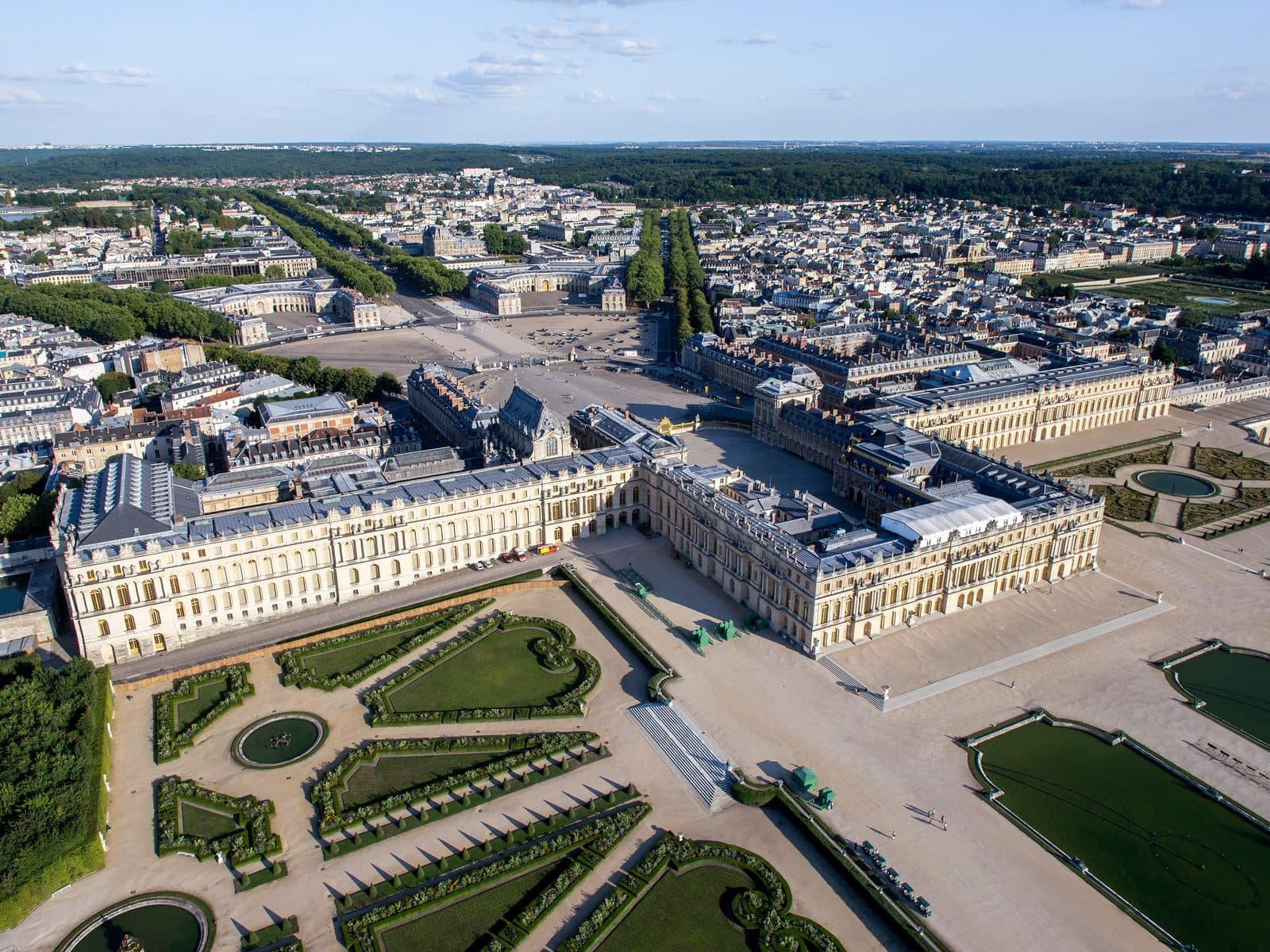
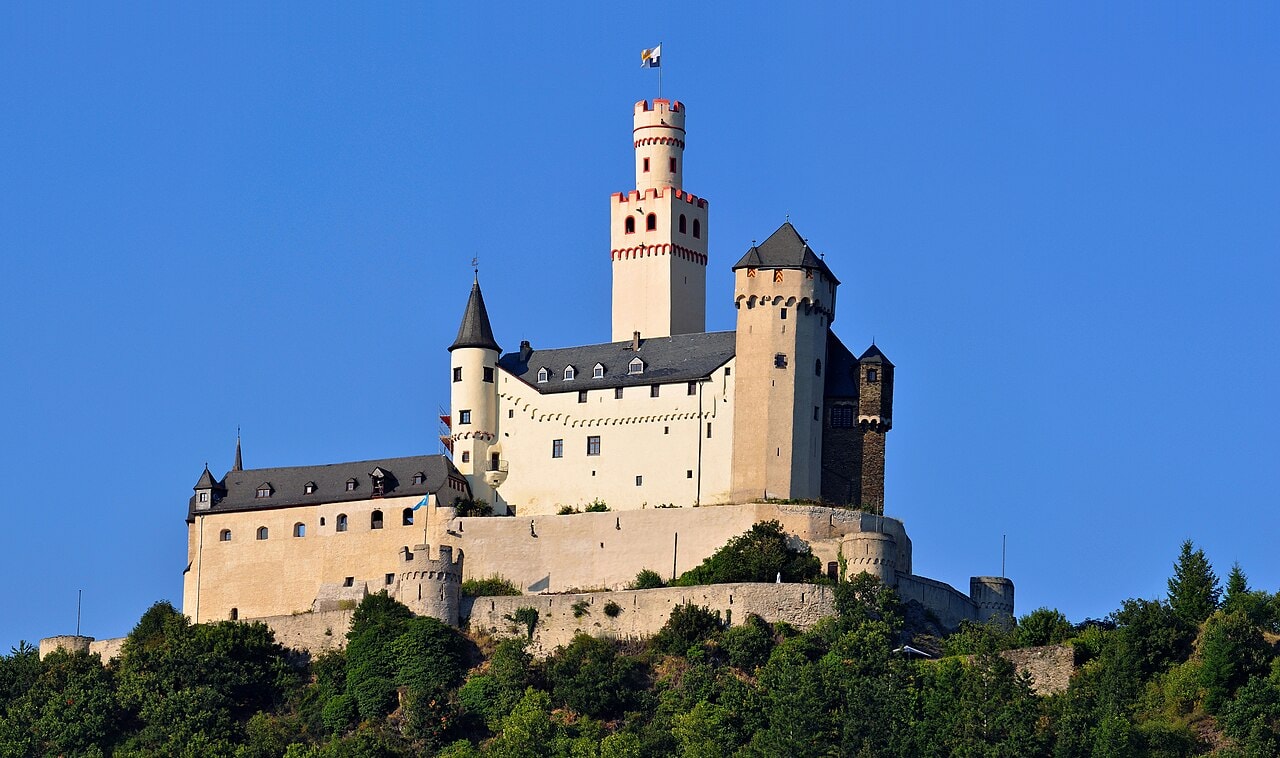
Search for castle vs palace and the answer arrives in two columns. A castle is fortified; a palace is not. As rules of thumb go, it is a decent one, and it will tell you correctly that Versailles is a palace and that Marksburg is a castle.
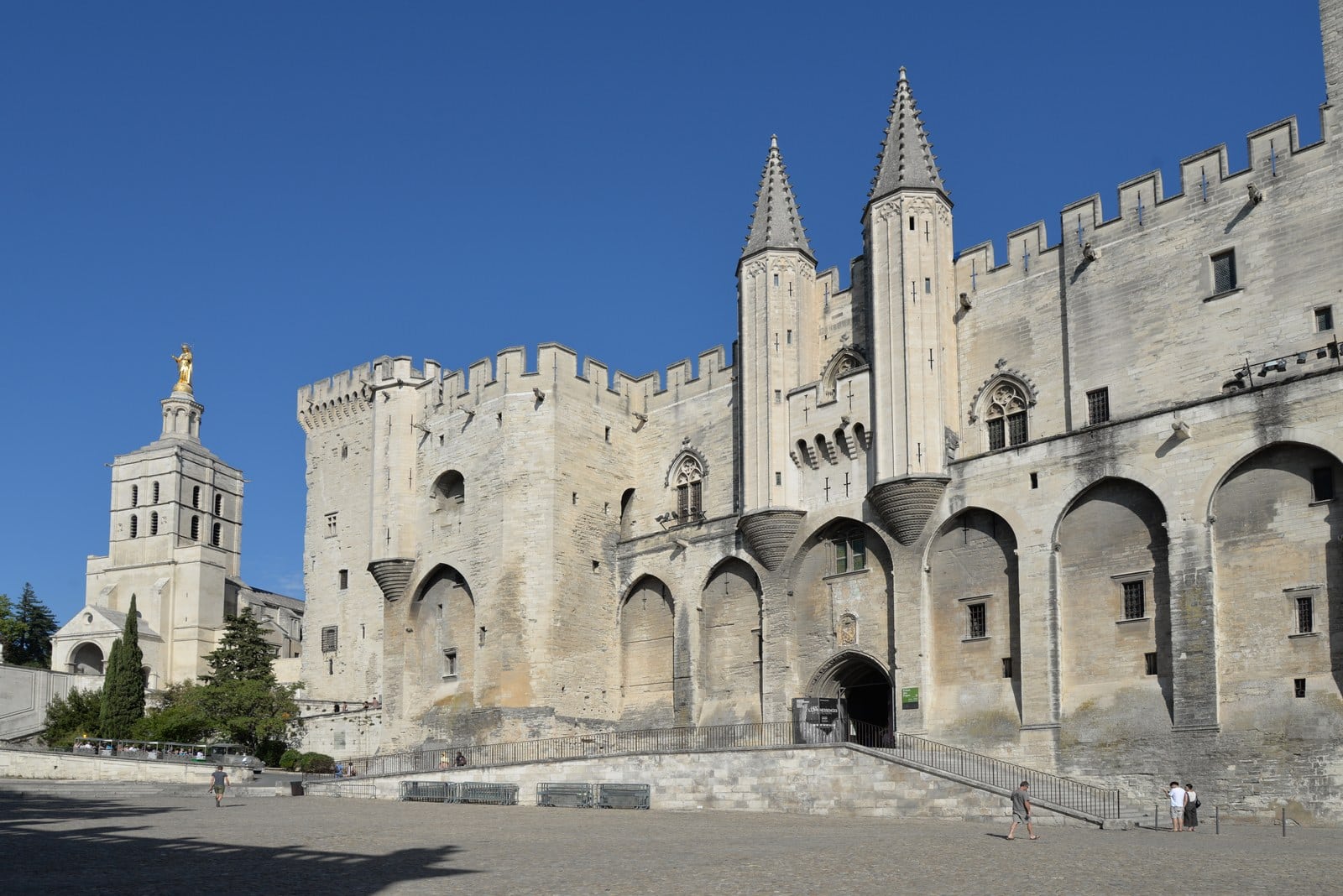
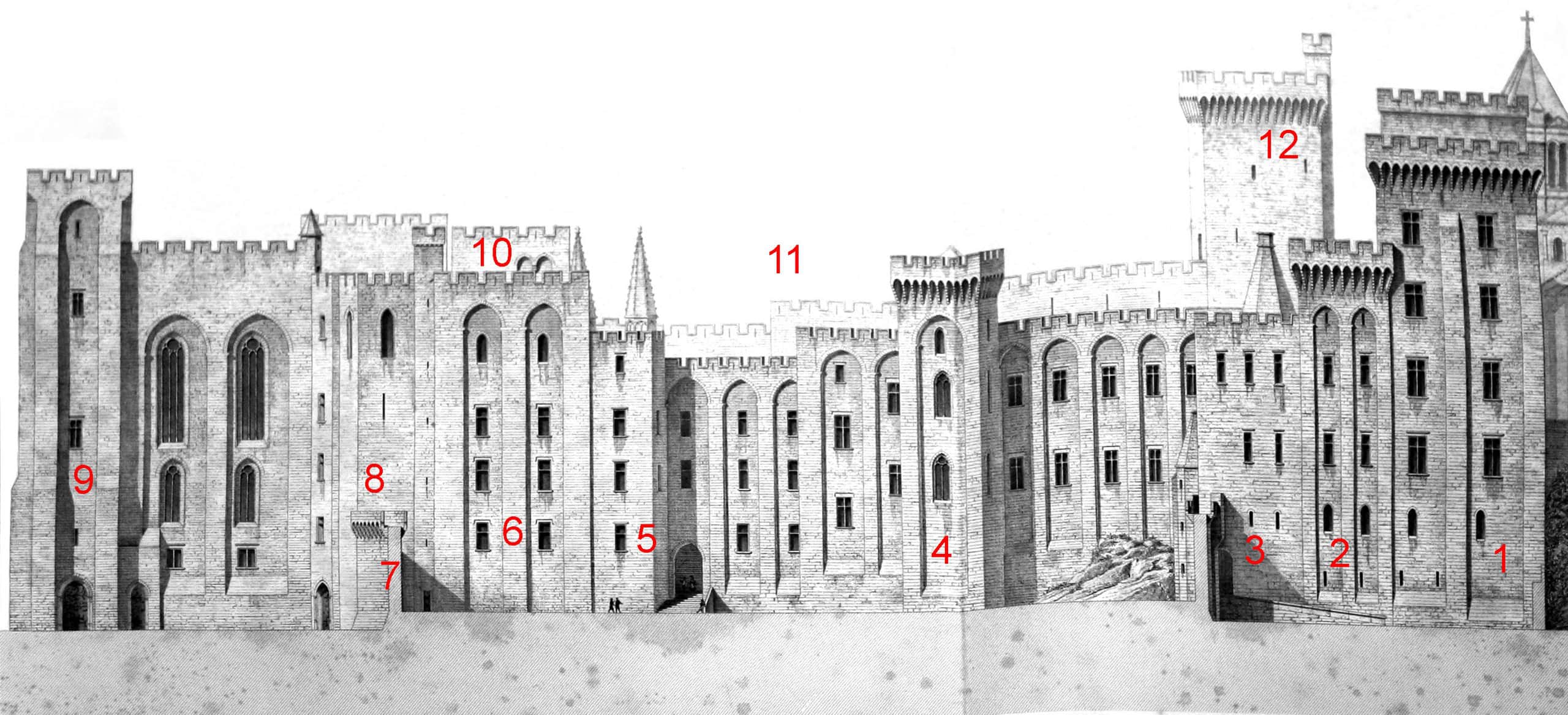
Then you meet the Palais des Papes in Avignon. Its name says palace. Its builders set high walls and a ring of towers on the rock, with the Tour du Pape at the core, a tower the monument’s own history likens to a keep, holding the pope’s person and the Church’s riches. Or you meet Festung Marienberg above Würzburg. Its name says fortress, and it housed the prince-bishops for close to five centuries.
The difference between a castle and a palace is not, it turns out, a question any heritage authority answers with a wall. This page sets the popular test beside what five national and international vocabularies actually record, and beside what one large state palace administration does with its own buildings. They do not agree with the popular test, they do not entirely agree with each other, and the places where they part company are more useful than any single definition.
The Short Answer
A short answer is possible, and it is narrower than the popular rule. Fortification sorts most buildings correctly and remains the fastest rough guide. What the vocabularies record is narrower, and each test belongs to somebody: residence separates castle from fortress in the British thesauri, the relationship to a town comes from the French definition of citadelle, and Scotland and France both define a palace by official standing while England’s entry sets a broader test that mentions neither office nor comfort. Owners, meanwhile, use two or three of these words for one building, and publish all of them. Which test a national register applies decides how many castles it says a country has.
| The word | What the popular rule says | What a named heritage vocabulary records | Who says it |
|---|---|---|---|
| Castle | A fortified residence | “A fortress and dwelling, usually medieval in origin…” | Historic England, FISH Thesaurus of Monument Types, concept 68833 |
| Palace | A grand residence with no defenses | “A substantial house in a town or the country (particularly associated with medieval London).” Royal Palace is a narrower term beneath it | Historic England, FISH concept 68949 |
| Fortress | Purely military, nobody lives there | Filed under the same class as Castle, namely Defence | Historic England, FISH concepts 68833 and 68880 |
| Citadel | A fortress inside a city | Not a concept of its own: a non-preferred label on the concept whose preferred label is Castle | Historic England, FISH concept 68833 |
| Château | The French word for castle | One of several names for a single class of building, chosen by its size, its location, and the rank or activity of its inhabitants | Inventaire général du patrimoine culturel, concept T96-515 demeure |
| Schloss | The German word for palace | In its thirteenth-century architectural sense it meant Burg, Kastell | Pfeifer, Etymologisches Wörterbuch des Deutschen |
The Rule of Thumb, and Where It Breaks
What the popular test gets right
The popular test is not a bad one, and calling it wrong would overstate the case. For most buildings, most of the time, asking whether a place was built to be defended will sort it into the right box. Nobody looking at Sanssouci is in any doubt.
What the test cannot do is serve as a definition. A definition has to hold at the edges, and the edges here are not obscure buildings that nobody visits. They are among the best known monuments in Europe.
The buildings it fails on
Clearest of all is a demonstration from an owner rather than a dictionary. The Royal Household’s own page for Windsor, in England, opens: “A Royal home and fortress for over 900 years, Windsor Castle, the largest occupied castle in the world, remains a working palace today.” Fortress, castle and palace, of one building, in one sentence, published by the institution that lives in it.
Three more failures follow, each of a different kind.
The Palais des Papes is named a palace and built as a stronghold. Marienberg is named a fortress and was a princely residence: from around 1250 to 1720 it was the ruling seat of the Würzburg prince-bishops, which is a longer stretch than it has spent as a fortress since the storming of 1631. Neuschwanstein is catalogued by the Bavarian Palace Administration as Schloss Neuschwanstein, rendered “Neuschwanstein Castle” in that administration’s own English, and called die Burg on the building’s own website, neuschwanstein.de. On that site’s English page it is “the castle” in one sentence and “one of the most popular of all the palaces and castles in Europe” in the next.
None of the three is a borderline case that careful wording could rescue. Each is a building whose owner uses two or three of these words for it, in public, at the same time.
How Heritage Bodies Classify These Buildings
France: palais, château and manoir are one class of building
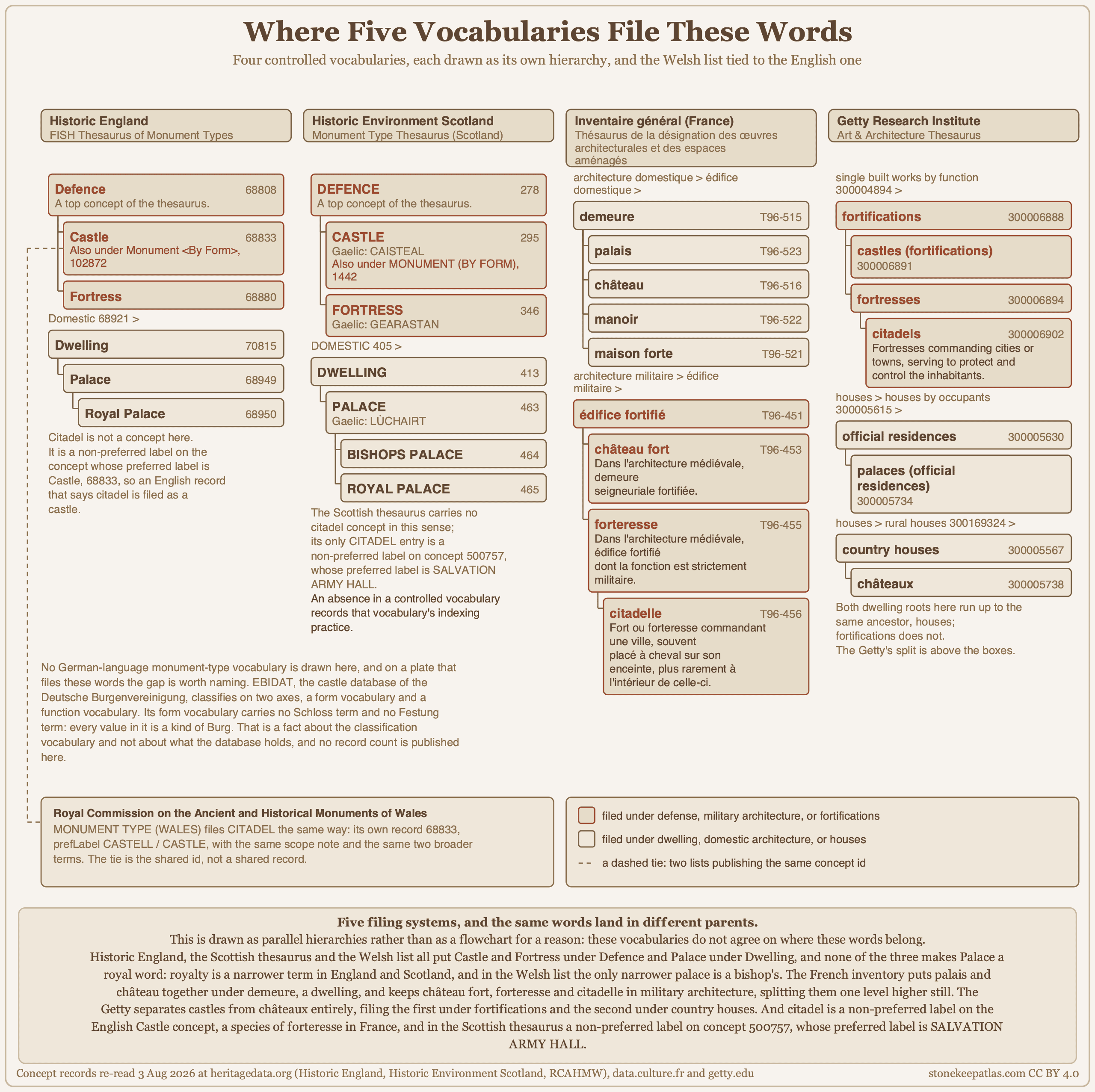
France’s national inventory keeps palais, château and manoir as separate concepts, then files all three under one broader class. Its thesaurus of architectural designations puts them together under demeure, a dwelling, and says plainly what separates the labels:
Suivant ses dimensions, sa localisation, la qualité ou l’activité de ses habitants, la demeure peut porter des dénominations différentes (palais, hôtel, château, manoir, etc.)…
In our translation: according to its size, its location, and the quality or activity of its inhabitants, the dwelling may bear different names. Not according to its walls. Scale, setting and the standing or activity of the occupants are what the entry names.
The same vocabulary defines palais itself, and that definition rewards reading to the end:
Résidence officielle urbaine d’un seigneur suzerain laïque ou religieux, à l’origine souvent fortifiée et dans laquelle se tenaient les cours, plaids, parlements et tribunaux d’officialité. Par extension, résidence officielle royale ou princière.
In our translation: an official urban residence of a lay or religious overlord, originally often fortified, and in which the courts, pleas, parlements and ecclesiastical tribunals were held; and then, by extension, an official royal or princely residence. Two things follow from the first sentence. A palais was often fortified, which is the reverse of the popular rule. And what makes a building a palais in the entry’s first sense is jurisdiction: it is the place where authority was exercised. That test is then widened by the entry’s own second sentence, which reaches any official royal or princely residence. Note also where the entry sits in the hierarchy, with demeure as its broader term.
That vocabulary also puts a limit on the popular test by name: do not call a building a château fort, it instructs, if its fortification is decorative or its defensive purpose limited.
England: what makes a castle a castle
Historic England maintains the FISH Thesaurus of Monument Types, and its definition of a castle opens “A fortress and dwelling, usually medieval in origin…”. Both halves are load-bearing, and the vocabulary keeps them in tension in its own hierarchy: Castle and Fortress both sit under the class Defence, and Palace sits under Dwelling.
Scotland’s thesaurus makes that second half explicit. Its CASTLE, concept 295, is “A medieval fortified building or range of buildings, serving as a royal, or baronial, residence, or administrative centre.” Office is in the definition, beside the walls and the household.
FISH’s Palace is also not a royal word. Its scope note reads “A substantial house in a town or the country (particularly associated with medieval London),” with Royal Palace as a narrower term beneath it. A reader who assumes palace implies a monarch is using a stricter sense than England’s national vocabulary does.
Wales publishes its own record under the same concept id, and its list makes the point sharper still. Concept 68949, PALAS / PALACE, has exactly one narrower term: 68932, PALAS YR ESGOB, a bishop’s palace. Ask the Welsh scheme for 68950, the id that carries Royal Palace in England, and it returns an empty record. So in the Welsh list the only narrower palace is a bishop’s.
Where the vocabularies disagree
Scotland’s monument-type thesaurus does not carry citadel at all in the fortification sense. Its only CITADEL entry is a non-preferred label on concept 500757, whose preferred label is SALVATION ARMY HALL and whose broader term is NONCONFORMIST MEETING HOUSE. Look up a citadel in the Scottish list and you are pointed at a place of worship. Wales, meanwhile, files citadel exactly as England does, on the same concept id. That is a fact about how three documents index a word: an absence from a controlled vocabulary records that vocabulary’s indexing practice, not the opinion of the body that maintains it.
The Getty’s Art and Architecture Thesaurus lands on the same axis. It disambiguates its own concepts in their labels: its entry for castles is “castles (fortifications),” and its entry for palaces is “palaces (official residences).” Office, again, rather than comfort.
German-language classification runs on a different footing again. EBIDAT, the castle database of the Deutsche Burgenvereinigung, indexes on two axes, a form vocabulary and a function vocabulary. Read in August 2026, its form vocabulary ran to twenty-nine terms and carried no Schloss term, no Festung term and no Palast term: every value in it is a kind of Burg, from Motte and Wasserburg to Wohnturm. Its function vocabulary, twenty-seven terms, is where Residenz and Pfalz appear. In that database a residence is a job a Burg can hold, not a thing it turns into. That describes EBIDAT’s classification vocabulary and not its coverage, and it is the German counterpart of the Scottish absence above: a gap in a filing system is evidence about the filing system.
Where the vocabularies genuinely part company is the citadel, which the English and Welsh lists file as a castle and the French inventory files as a species of fortress. They are answering different questions rather than contradicting each other, which helps explain why no single definition fits all of these systems at once. We keep a running note of cases like this at where our sources disagree.
The Latin Roots, and What French Did With Them
Both words begin in Latin. Castellum was a small fort, a diminutive of castrum. Palatium takes its name from the Palatine Hill in Rome.
That second root is the odd one out, and it is worth following to the end before turning back to the first. TLFi takes French palais straight to palatium, a word which, in the dictionary’s own phrasing, “désignait proprement le mont Palatin”: it properly named the Palatine Hill itself. It took the sense of an imperial palace in the age of Augustus, the entry explains, because Augustus built his house on that hill in Rome, and it spread from there to the imperial palaces outside Rome and then to the palaces of governors. A palace, then, is the only one of these three words that began as a place name rather than as a description.
English keeps palace and castle closer together than the popular rule does. In the Historical Thesaurus of English, palace is filed under the category “Inhabited place :: Dwelling of king/ruler,” recorded from about 1290, and “castle used as residence” is a subdivision of that same category, recorded from Old English. On the semantic map an English reference work actually draws, a lived-in castle and a palace are not opposites. One is a child of the other.
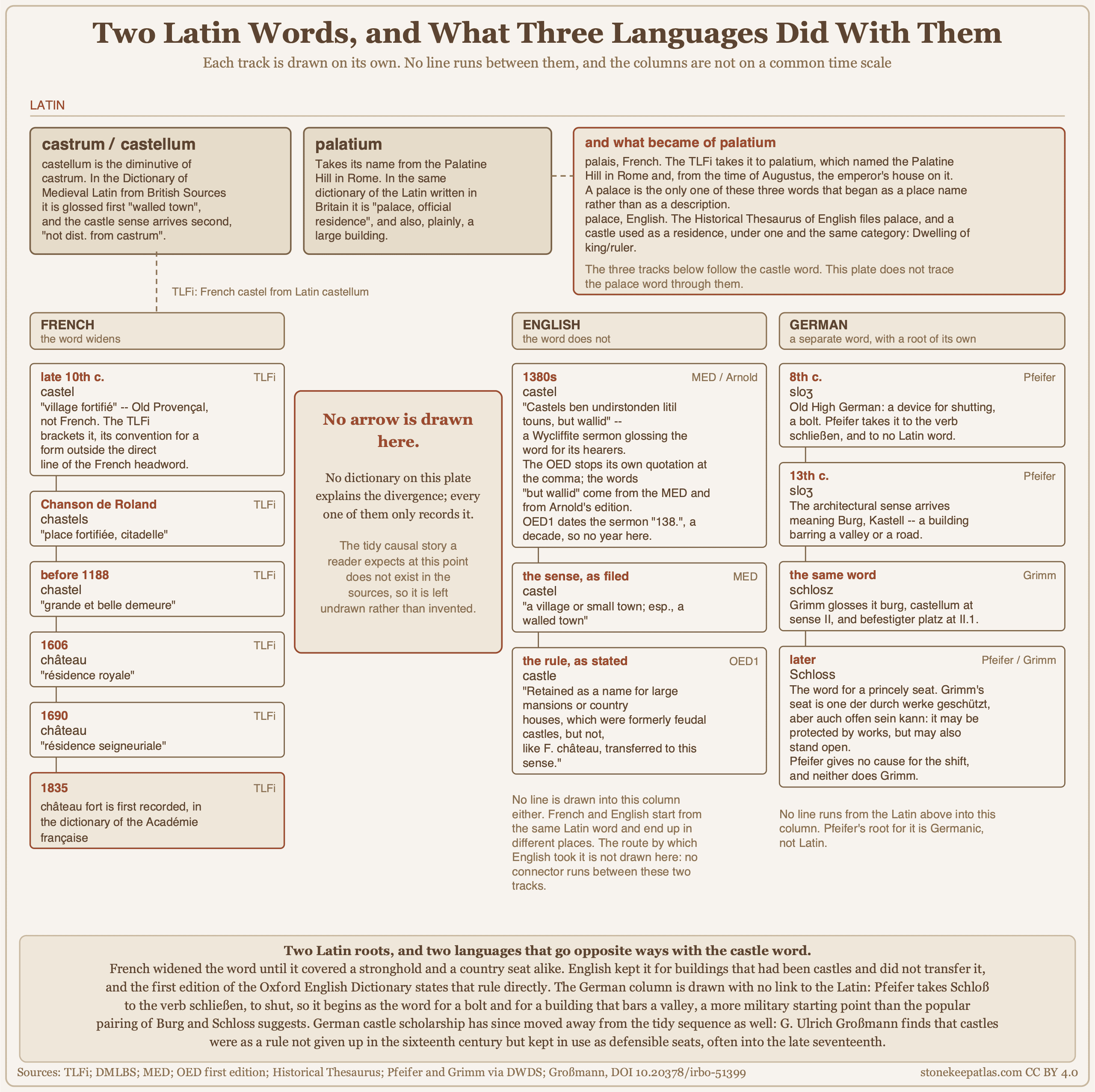
Medieval Latin then does something a modern reader does not expect. In the Dictionary of Medieval Latin from British Sources, castellum is glossed first as a walled town, and the castle sense arrives second with the note that it is “not dist. from castrum“. A word we read as the small version of a fort was, in medieval use, frequently a settlement.
English carried that sense too, and then lost it. A sermon which the OED dates to the 1380s, printed among John Wyclif’s Select English Works, glosses the word for its hearers: “Castels ben undirstonden litil touns, but wallid, as Jerusalem is clepid a cite bi Mathew; and sich grete castels ben clepid citees.” Little towns, but walled, and the large ones are called cities. The Middle English Dictionary files that sense without hedging: “a village or small town; esp., a walled town.”
French and English start from the same place and end up in different ones. The oldest attestations the TLFi records are what you would expect: Old Provençal castel, “village fortifié,” at the end of the tenth century, and, in French itself, “place fortifiée, citadelle” in the Chanson de Roland. French then widened the word. Chastel is attested in the sense “grande et belle demeure” before 1188, “résidence royale” in 1606, and “résidence seigneuriale” in 1690, by which point the French word covered the whole span from a stronghold to a country seat.
English did not follow, and the first edition of the Oxford English Dictionary states the rule directly: castle is “Retained as a name for large mansions or country houses, which were formerly feudal castles, but not, like F. château, transferred to this sense.” In that account the word was kept for houses grown out of former feudal castles rather than spreading, as château did, to grand houses generally. In French the compound château fort is first recorded in the dictionary of the Académie française in 1835.
That is a date of first attestation and nothing more. The dictionaries record these divergences without explaining them: the first edition of the OED states the English rule and gives no reason for it, and Grimm and Pfeifer, a century apart, both describe the German drift from a fortified place to a princely seat without offering a cause either. The tidy causal story a reader expects here does not exist in the sources.
Burg, Schloss and Festung: What German Does Differently
German has more words, and it does not keep them as separate as English speakers expect. It even keeps a palace-word for something inside a castle: Pfeifer records that Palas “gilt bis heute in der Geschichte der Baukunst für das ‘Hauptgebäude der mittelalterlichen Burg mit Wohn- und Festsaal’”, in our translation the main building of a medieval castle with its living hall and its great hall.
Schloss does not begin as a building word at all. Pfeifer’s etymological dictionary gives Old High German sloz in the eighth century as a device for shutting, a bolt, and sets it in ablaut beside the verb schließen, to shut. No Latin word enters that line of descent at any point, so château and Schloss arrive at the same kind of building from different roots.
That same entry records that when Schloss takes its architectural sense in the thirteenth century, it means Burg, Kastell, a fortification barring a valley or a road. It becomes the word for a princely seat only later, and Pfeifer’s phrase for that shift is unter Aufgabe der Befestigungs- und Sperrfunktion, in our translation with the surrender of the fortification and barrier function. The two words were never a clean pair, and Pfeifer glosses Middle High German sloz as “auch ‘Burg’”, also a castle. Grimm’s Deutsches Wörterbuch runs the same way, giving schlosz as burg, castellum, befestigter platz, a fortified place, and recording a later sense of a seat “der durch werke geschützt, aber auch offen sein kann”, in our translation one that may be protected by works but may also stand open.
German castle scholarship has been revising the tidy sequence in which castles are abandoned in the sixteenth century and replaced by undefended Schlösser and barrack-like Festungen. G. Ulrich Großmann sets that sequence out at the head of his own paper and then disowns it in the sentence immediately after: “Dies ist, stark vereinfacht, die bisherige Sichtweise der Burgenforschung zur Entwicklung der Burgen in Mitteleuropa…”, in our translation this being, greatly simplified, the previous view of castle studies. What he finds instead is that castles were as a rule not given up in the sixteenth century but kept in use as defensible seats, often into the late seventeenth. His replacement definition of a Burg is “ein verteidigungsfähiger Wohnbau, der mehrheitlich der Herrschaft oder von der Herrschaft beauftragten Personen dient”: in our translation a dwelling-building capable of defense rather than one built for it.
What the palace administration’s own English does with Schloss
The Bayerische Schlösserverwaltung publishes its portfolio in German and in English, which makes it possible to measure what one large institution does with these words when it has to translate itself.
Counted in August 2026 across the sixty-two properties appearing in both object lists, twenty-one carry Schloss in the administration’s own German name. Its own English calls twenty of them a palace. The twenty-first is Neuschwanstein, which the same administration renders “Neuschwanstein Castle.”
The other classes are almost as tidy. Every object the administration names Burg becomes a castle, ten of them, from Burg Prunn to the Kaiserburg in Nuremberg as “Imperial Castle”; the one Veste becomes a castle, every Residenz becomes a residence, and both Festungen become a fortress. Nuremberg’s sixteenth-century Tucherschloss becomes “Tucher Palace,” which the same administration’s pages call the summer residence of a patrician family. The one wobble runs the other way: the Parkburg at Nymphenburg is “Park buildings” in the object list, “Park palaces” in the navigation, and “Small palaces” on its own page.
That measurement describes a live navigation menu as it stood in August 2026, not a permanent rule. It is reproducible: the two lists compared are the object selectors on the administration’s German and English site indexes, paired by the file stem each entry points at, counting only properties that appear on both. Sixty-two pair that way. Twenty-one carry Schloss as the head of the German name. Compounds count when Schloss is that head, which is why the Tucherschloss is among the twenty-one; a name in which Schloss appears only inside a modifier is not.
Marienberg: three words for one hill
Marienberg is the clearest single case, because all three words are in use for it on one institution’s website today.
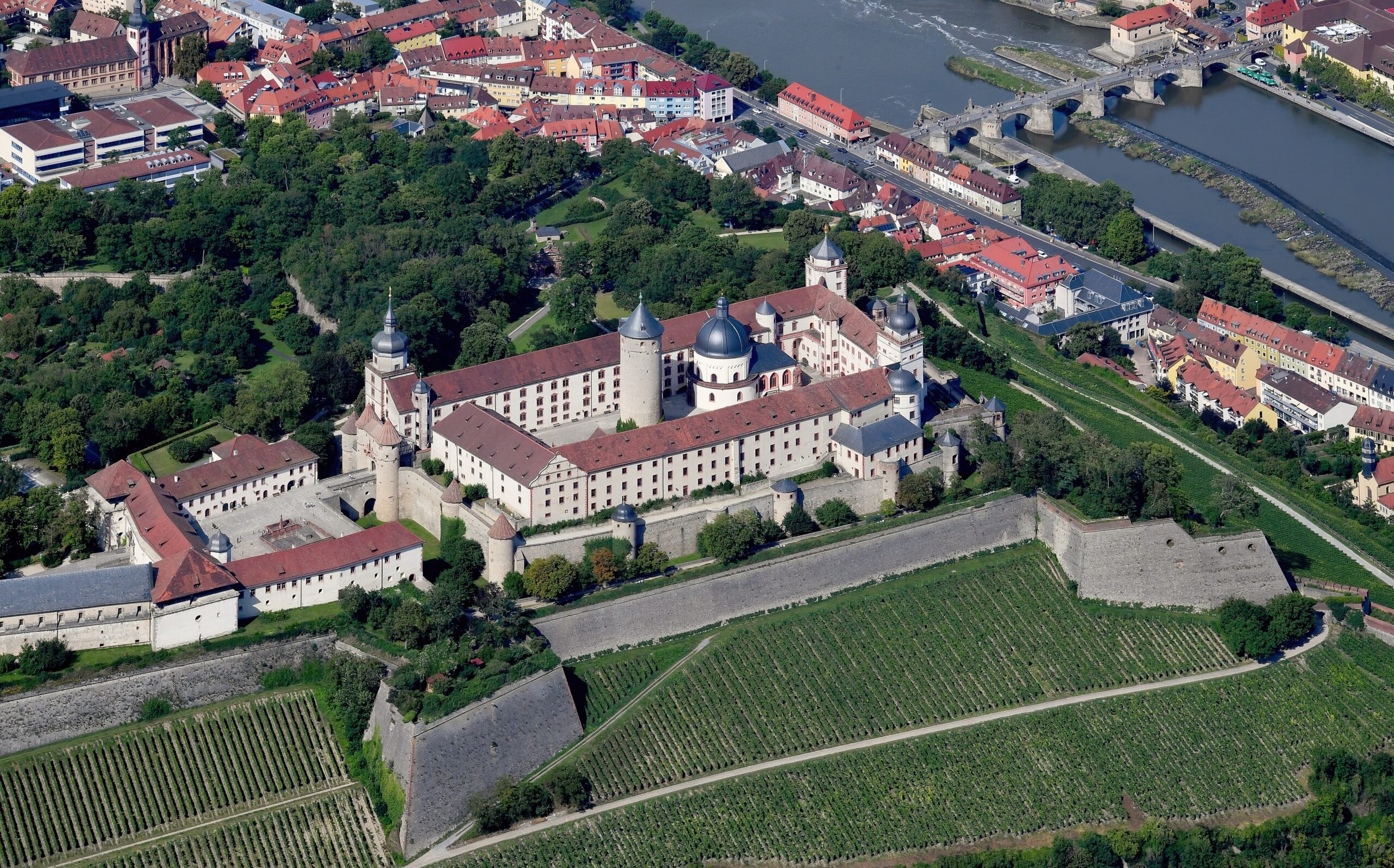
The English navigation path reads “Palaces > Würzburg > Marienberg Fortress.” A fortress, filed under palaces. On the German page the same hill is die Burg through the storming of 1631 and the bastion campaign that followed, becoming die Festung by 1945. The English page still calls the medieval core “the main castle” and advertises “guided tours of the entire castle grounds,” under a title that says fortress.
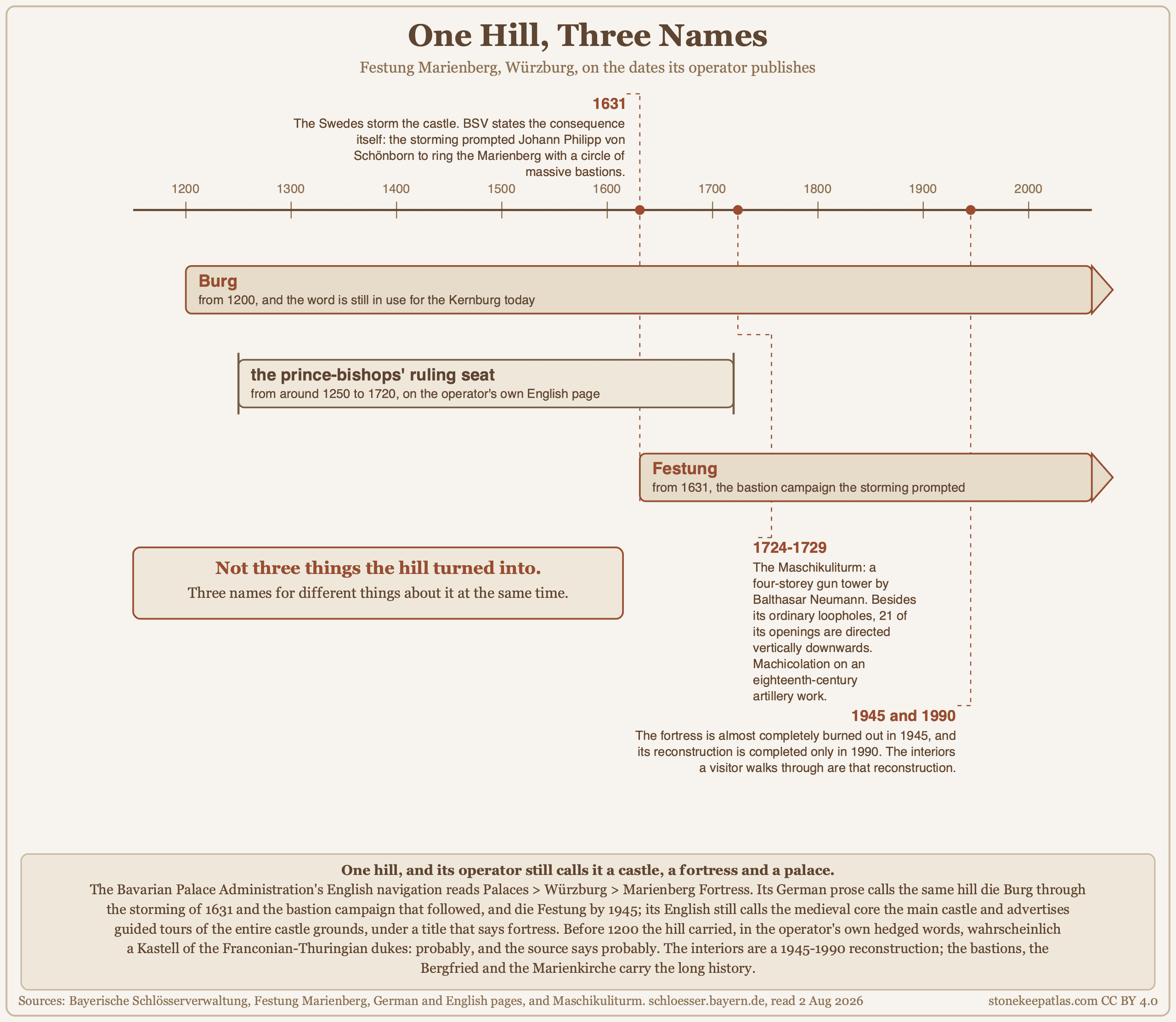
Read as a list, those names look like stages a hill passed through. Its operator’s own dates say otherwise. A castle stood there from 1200; Marienberg was the ruling seat of the Würzburg prince-bishops, in the administration’s own English, “from around 1250 to 1720”; and the bastioned fortress begins with the storming of 1631, when the seat still had almost ninety years to run. So these are not three things the hill turned into. They are three names for different things about it at the same time.
The bastions have a documented cause: the operator states that the storming of the castle in 1631 prompted Johann Philipp von Schönborn to ring the Marienberg with them.
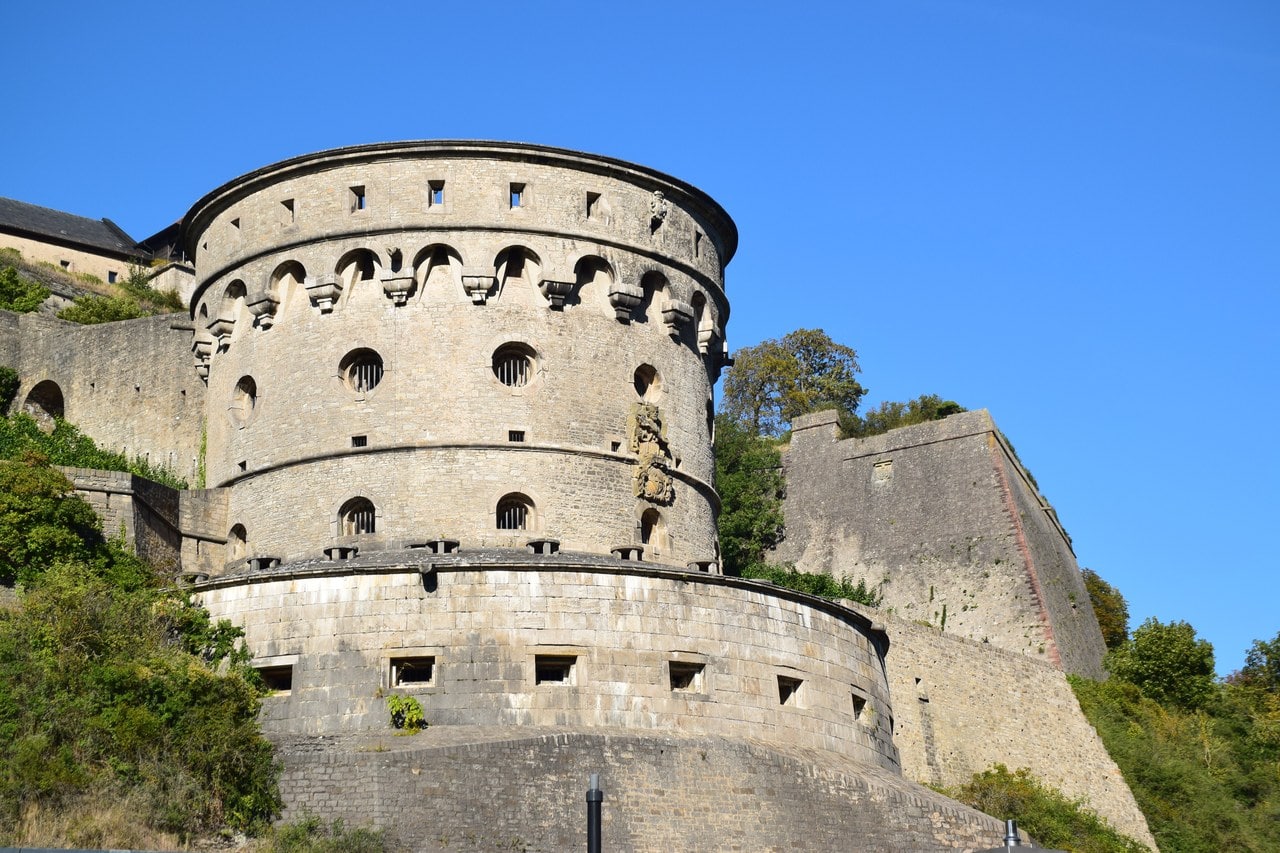
One structure on the hill refuses the chronology outright. Marienberg’s Maschikuliturm is a four-storey gun tower built between 1724 and 1729 by Balthasar Neumann, and twenty-one of its openings, besides its ordinary loopholes, are directed vertically downwards, which is to say machicolation on an eighteenth-century artillery work. A device the popular chronology files under medieval castles sits here on a building of the age of Sanssouci.
One thing to know before going: in 1945 the fortress was almost completely burned out, and its reconstruction was only completed in 1990.
Fortress and Citadel
Is a fortress just a large castle?
In the English vocabulary the two are close enough to share a class. Castle and Fortress both sit under Defence in the FISH thesaurus, and the castle definition opens with the word fortress. What separates them there is scale and population rather than armament: a fortress is “A major fortified place, often a town, capable of containing a large force,” while a castle is the entry defined as somebody’s dwelling.
Notice what that puts back in play. A fortress is often a town, which is where castellum began in medieval Latin and where the English word still sat in the 1380s. France’s inventory draws the line elsewhere again, reserving forteresse, in medieval architecture, for a strictly military function. That is the distinction the popular rule reaches for, and one national body does make it.
So the answer depends on which country’s filing system you are standing in.
Where a citadel sits
In the FISH thesaurus, citadel is not a concept of its own. It is a non-preferred label attached to the concept whose preferred label is Castle, so an English record that says citadel is filed as a castle. The Welsh list shares the same concept and files it the same way. Scotland’s thesaurus does not carry the word in this sense, which is a property of that vocabulary’s indexing rather than a position taken by anyone.
The French inventory keeps citadelle as a species of fortress and adds a piece of geometry the English vocabulary does not: a citadel is often placed astride the enceinte of the town it commands, “souvent placé à cheval sur son enceinte”, and more rarely inside it. A citadel therefore has a relationship to a settlement that a castle need not have, which is the most portable of the distinctions on this page.
You Can Visit
The buildings that break the rule are open, and seeing two of them in one trip makes the argument better than any diagram.
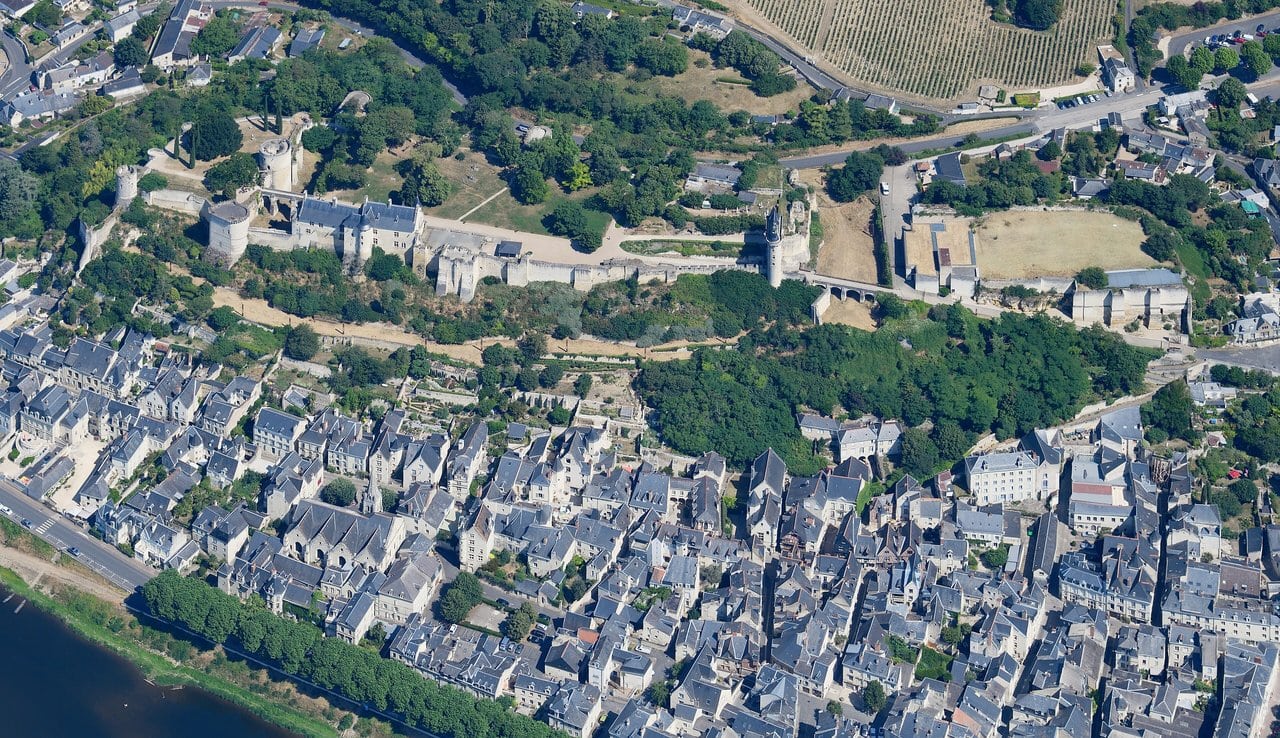
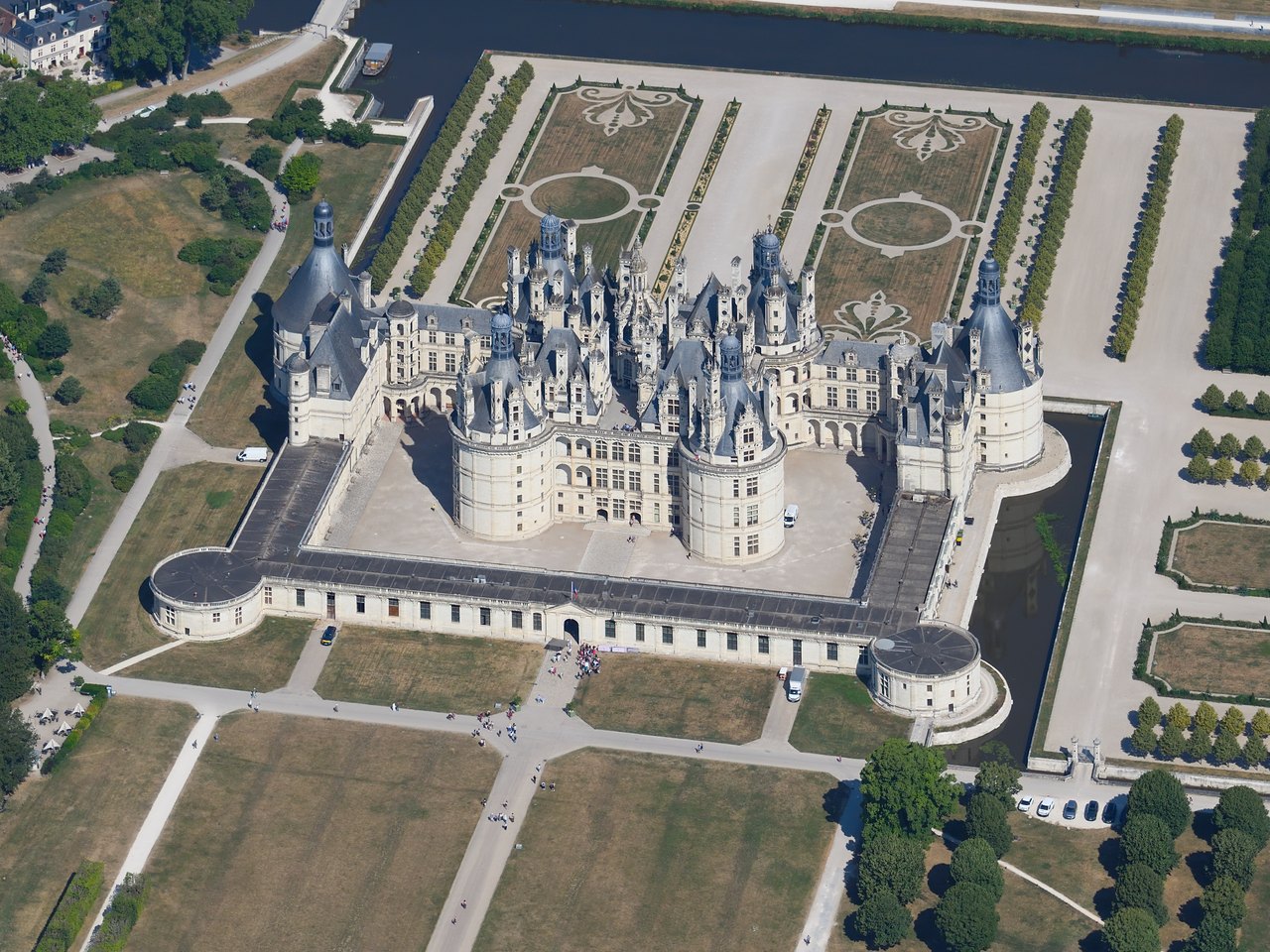
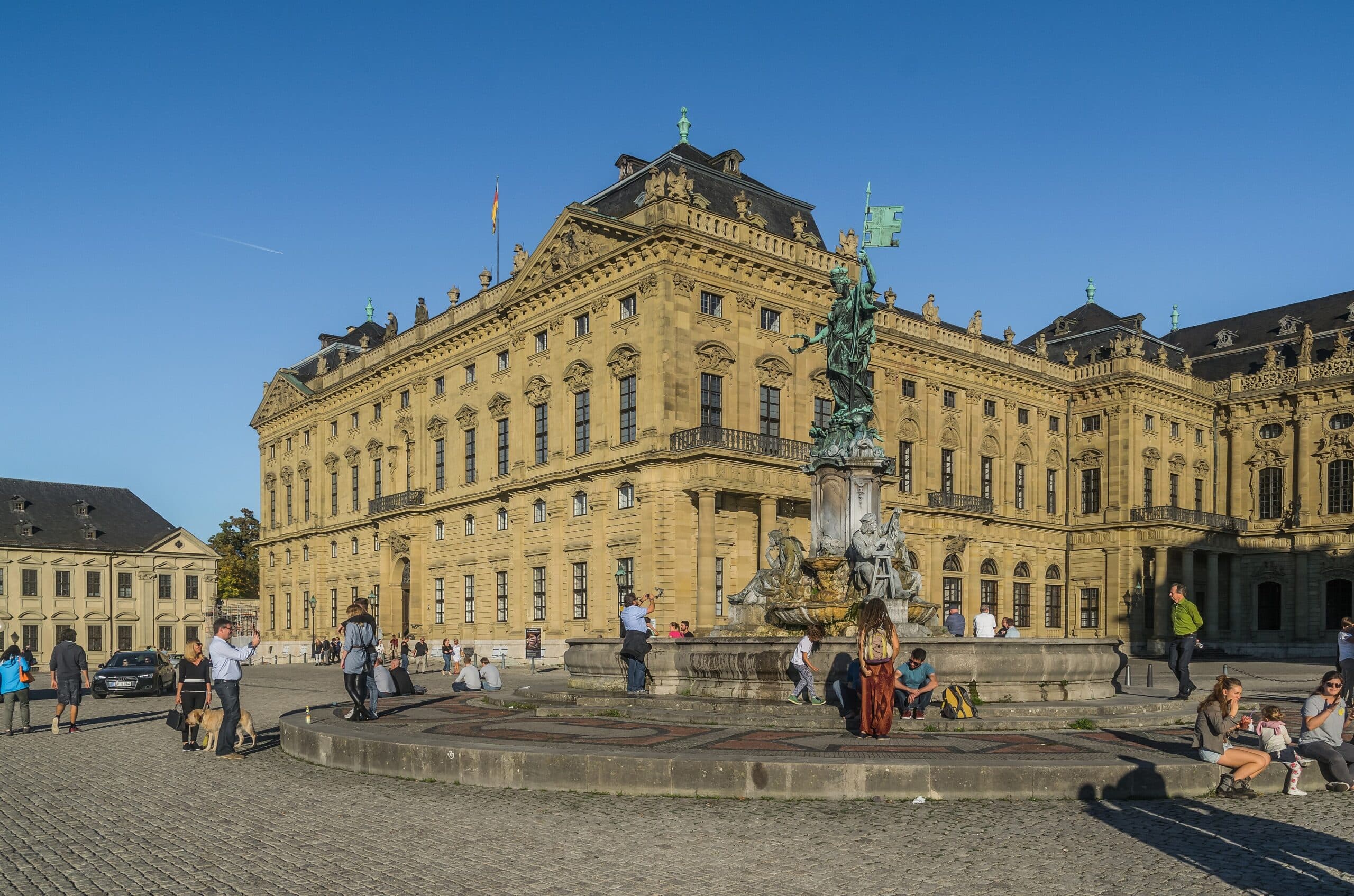
Marienberg Fortress and the Würzburg Residence sit in the same city and were the same court’s seat in succession; the transition from fortified hill to town palace is an afternoon’s walk. The papal palace at Avignon is the fortress-palace at its most uncompromising. Château de Chinon and Château de Chambord carry the same French word for two buildings three centuries and one worldview apart. For the range of buildings that word now covers, see châteaux of France.
For how the defensive parts themselves worked, see parts of a medieval castle. For the great tower specifically, see castle keeps, and for the rest of a castle’s towers, castle towers and turrets. And for the stories that gather on these buildings whatever we call them, see haunted castles.
Common Questions
Can a castle also be a palace?
Routinely, and the owners say so themselves. The Royal Household’s page for Windsor calls it “A Royal home and fortress for over 900 years, Windsor Castle, the largest occupied castle in the world, remains a working palace today”: fortress, castle and palace, one building, one sentence. The Bavarian Palace Administration does the same in two languages, filing Marienberg Fortress under Palaces in English while its German pages call the same hill a Burg. Neither page cited here explains the naming choice.
Is a château the same thing as a castle?
Not quite, and the mismatch runs the other way from what most English speakers assume. French treats palais, hôtel, château and manoir as names for one class of dwelling, separated by size, location, and the standing or activity of the occupants. English has no single word covering that span, so a French château may correspond to an English castle, a country house, or a palace depending on the building.
Does a palace have to be royal?
Not in the English or Scottish vocabularies considered here. Historic Environment Scotland’s requires an official residence but not a crown: “A building used as the official residence of royalty or of a high-ranking religious leader such as an Archbishop.” Its entry narrows to Bishops Palace alongside Royal Palace, so an archbishop’s seat qualifies on the same footing as a monarch’s, and it carries a Gaelic preferred label, LÙCHAIRT, next to the English one. Historic England sets the bar lower again and asks for no official residence at all. Two neighboring national vocabularies, two different tests, and neither is the one most readers carry.
What is the difference between Windsor Castle and Buckingham Palace?
Their histories, not their status. Both are working royal residences today. Windsor is called a castle because it was one, and the Royal Household describes it as “A Royal home and fortress for over 900 years” in the same sentence that calls it a working palace. Its account of Buckingham begins with a house rather than a fortress: George III bought one on the site in 1761, and what George IV then did to it is put exactly: “With the assistance of his architect, John Nash, he set about transforming the house into a palace.”
Is a citadel a type of castle?
In the Historic England and Welsh monument-type thesauri, effectively yes: citadel is indexed to the Castle concept rather than existing as a category of its own. The French inventory disagrees and files it under fortress, adding that a citadel commands a town and is often placed astride its wall.
What is the difference between a castle and a fortress?
Less than the words suggest. England’s thesaurus places both under Defence and opens its castle definition with “A fortress and dwelling.” Within FISH the clearest separator is residence: a fortress need not be anybody’s home, and a castle in that vocabulary is defined as being one. France’s inventory separates them elsewhere, on a strictly military function.
Why is Neuschwanstein called a castle when its German name is Schloss?
Its own administration uses that English word for it. Across sixty-two properties published in both languages, Neuschwanstein is the single case where Schloss is rendered “Castle” rather than “Palace.” The reason is not stated by the operator anywhere we could find.
Principal Sources
- Arnold, Thomas, ed. Select English Works of John Wyclif. Vol. I. Clarendon Press, 1869. archive.org
- Avignon Tourisme. “Le plus grand palais gothique.” palais-des-papes.com
- Bayerische Schlösserverwaltung. “Festung Marienberg.” schloesser.bayern.de
- Bayerische Schlösserverwaltung. “Objekte” and “Objects,” the German and English object lists. schloesser.bayern.de
- Bayerische Schlösserverwaltung. “Schloss Neuschwanstein.” neuschwanstein.de
- Centre National de Ressources Textuelles et Lexicales. Trésor de la Langue Française informatisé, s.v. “château.” cnrtl.fr
- Deutsche Burgenvereinigung. EBIDAT: Die Burgendatenbank, the Anlagetyp and Funktion vocabularies of its search mask. ebidat.de
- Dictionary of Medieval Latin from British Sources, s.vv. “castellum,” “palatium.” logeion.uchicago.edu
- Getty Research Institute. Art & Architecture Thesaurus. getty.edu
- Grimm, Jacob and Wilhelm. Deutsches Wörterbuch, s.v. “schlosz.” dwds.de
- Großmann, G. Ulrich. Mythos Burg: Neue Forschungen zu Burgen, besonders in Franken. Universität Bamberg, 2018. DOI 10.20378/irbo-51399.
- Historic England. FISH Thesaurus of Monument Types. heritagedata.org
- Historic Environment Scotland. Monument Type Thesaurus (Scotland). heritagedata.org
- Historical Thesaurus of English, 2nd ed. Category selection, s.vv. “palace,” “castle.” University of Glasgow. ht.ac.uk
- Inventaire général du patrimoine culturel. Thesaurus de la désignation des œuvres architecturales. data.culture.fr
- Middle English Dictionary, s.v. “castel.” University of Michigan. quod.lib.umich.edu
- Murray, James A. H., ed. A New English Dictionary on Historical Principles (OED, first edition), s.v. “castle.” archive.org
- Pfeifer, Wolfgang. Etymologisches Wörterbuch des Deutschen. dwds.de
- Royal Commission on the Ancient and Historical Monuments of Wales. Monument Type Thesaurus (Wales). heritagedata.org
- Royal Household. “Royal Residences: Buckingham Palace.” royal.uk
- Royal Household. “Royal Residences: Windsor Castle.” royal.uk
Image credits. Hero: Photo: Calips, CC BY-SA 3.0. Source: France PACA 84 Avignon Palais des Papes 01, Wikimedia Commons; Diagrams: Own work, StoneKeep Atlas, CC BY 4.0; Inline photographs: each credited in its own caption, with its source file linked. Freely licensed images are resized to fit; otherwise unaltered.