
The Country With the Most Castles
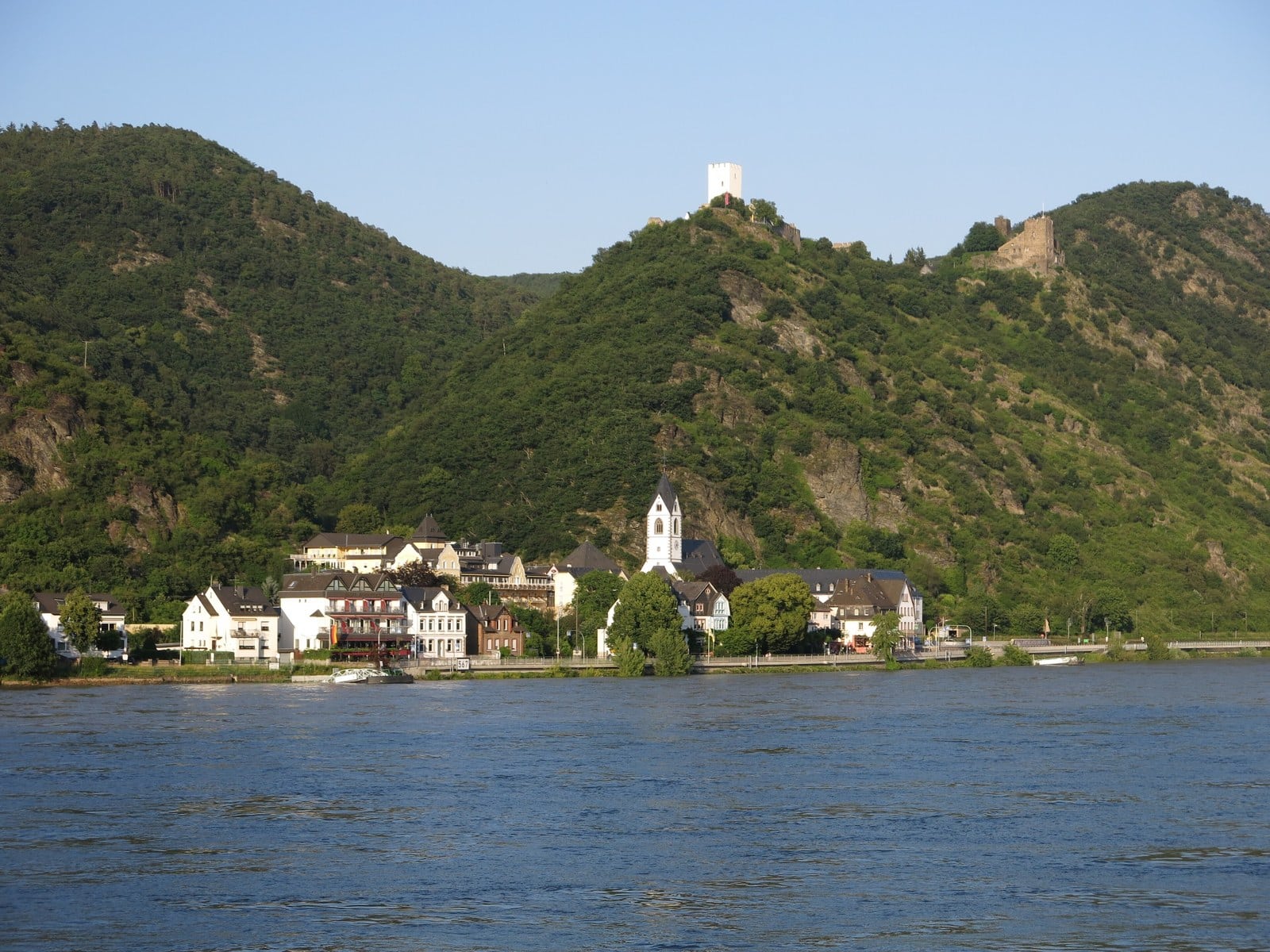
Ask what country has the most castles and the answer that comes back is usually France, usually 45,000. France’s own heritage ministry publishes a different figure: 45,223 protected immovable monuments of every kind at 31 December 2024, with churches, bridges and gardens counted inside it. Ireland’s register names castles in its own class labels and counts them, in eight classes, the largest of them 2,466 sites filed as “Castle - unclassified”. Germany’s castle institute opens the description of its own castle database by saying that it is not known how many castles there have been in Germany. Wales has four different castle figures on three of its own government’s websites.
Behind each of those answers sits an authority, a date, and a rule about what goes into the count. Set the rules beside each other and the question changes shape. It stops being a contest between countries and becomes a question about what a national heritage register is actually for.
The Answers, and the Criterion Each One Answers
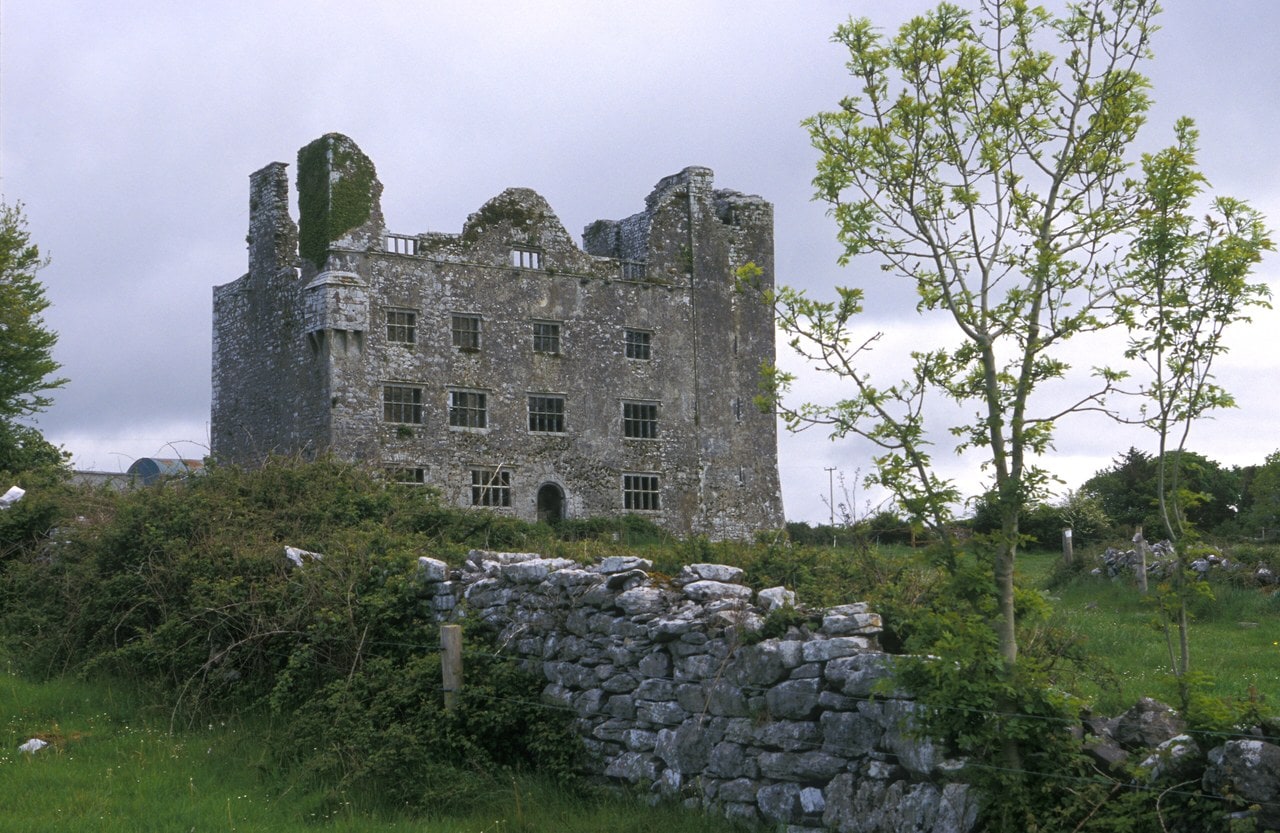
The answer depends entirely on who is counting and what they agreed to count. France’s Ministère de la Culture records 45,223 protected immovable monuments of every kind at 31 December 2024 — churches, bridges and gardens included — and its published typology has no château row, while its own register carries 6,286 protection notices denominated château or château fort, counted on 13 August 2026. Germany’s Deutsche Burgenvereinigung states that it is not known how many castles there have been in Germany. Cadw, the Welsh Government’s heritage service, publishes 427 castles on one page and over 600 on another, while its statutory schedule records 104 monuments whose site type is Castle. Ireland’s Sites and Monuments Record files castles in eight named classes and records 2,466 of them as “Castle - unclassified” — certain and possible sites, not standing buildings. Japan’s Agency for Cultural Affairs lists nine National Treasure designations under a pre-modern castle class, and those nine cover five castles. No two of those figures count the same kind of thing.
Every one of those numbers is correct. Each is also unusable next to the others, because each one was produced by a different decision about what a castle is, made for a different administrative purpose, in a different decade. Any count needs a prior decision about what a castle is, and heritage bodies answer that question differently on paper. That divergence is the subject of what separates a castle from a palace and a fortress.
Two neighboring superlatives behave the same way. A world total belongs with the oldest castle in the world, which works the same problem from the other end. When the question is size rather than number, our survey of the largest castles in the world found eight standing records, and not one of them is a record for the largest castle.
Here is what each authority in this survey actually publishes, with the date the figure belongs to and the rule that decides what is inside it.
| Country | Authority | What its published data has | Figure | Date of the data | What it counts |
|---|---|---|---|---|---|
| Ireland | National Monuments Service / Archaeological Survey of Ireland, Sites and Monuments Record | Eight classes named Castle – … | 2,466 Castle - unclassified; 4,552 across all eight [ours] | Live service, counted 13 Aug 2026 | Recorded archaeological sites, certain and possible. Not the statutory list; the Record of Monuments and Places is the statutory one |
| Japan | 文化庁 Agency for Cultural Affairs, buildings register | A castle class, 近世以前/城郭 | 9 National Treasure and 44 Important Cultural Property designations | Agency database as displayed, 13 Aug 2026; the Agency’s own current counts are dated 1 Aug 2026 and are larger | Designations (件), not castles and not buildings. The nine cover five castles |
| Wales | Cadw, statutory schedule | A site type named Castle in a flat 248-value list | 104 Castle, plus 266 motte, motte-and-bailey or ringwork; 370 [ours] | Live WFS, counted 13 Aug 2026 | Scheduled archaeological monuments under the Historic Environment (Wales) Act 2023. No building occupied as a dwelling may be added |
| Scotland | Historic Environment Scotland, Canmore | SITETYPE, a controlled vocabulary containing CASTLE | 911 records [ours] carrying a castle site type; 543 castle-only, 119 flagged possible | Live service, counted 13 Aug 2026 | Recorded sites, multi-typed. HES publishes no castle total |
| England | Historic England, National Heritage List for England | No monument-type field at all | 20,001 scheduled monuments; 379,682 listed entries | dataLastEditDate 13 Aug 2026, refreshed daily | Protected things. The schedule cannot include ecclesiastical or residential buildings |
| France | Ministère de la Culture | No château row in the published typology; a château dénomination inside the register | 45,223 protected immovables; 6,286 château or château fort protection notices [ours] | 31 Dec 2024 (Bilan 2024); notices counted 13 Aug 2026 | Protected immovables of every kind; protection notices, which are a floor |
| Czechia | Národní památkový ústav | No monument-type field; INSPIRE generic codes only | 38,780 Protected Sites features [ours] | Live service, counted 13 Aug 2026 | Protected sites, two designation schemes mixed. Not NPÚ’s own published national total |
| Germany | The Deutsche Burgenvereinigung’s European Castle Institute | An explicit statement that the number is not known | EBIDAT holds 8,841 German records [ours], of nine countries | Page undated; EBIDAT counted 13 Aug 2026 | Castle sites, standing and vanished alike, and a stated aim rather than achieved coverage |
| Poland | NID publishes the statistics; the sixteen provincial conservators keep the register | OBRONNE and DWORY_PALACE; no castle class | 2,156 and 7,011, of 81,187 [ours, per lens re-derivations] | 1 June 2026, NID’s own data_date | Register entries by function |
| Slovakia | Pamiatkový úrad Slovenskej republiky | Names a castle typology it does not publish | 17,438 immovable national cultural monuments | 2021 | National cultural monuments by kind |
Who Publishes a Number, and Who Says They Cannot
England publishes exact numbers, daily, and they cannot answer this question. Historic England’s open data gives 20,001 scheduled monuments, and the published dataset carries no monument-type field at all, so nothing in it separates a castle from a barrow or a bridge. What the schedule does carry is a rule about its own membership: “Scheduled Monuments can not include ecclesiastical or residential buildings (except for associated caretaker’s dwellings), and unlike Listed Buildings they are not assigned grades.” A building somebody lives in is therefore not missing from the schedule by oversight. The rule removes buildings, not whole castles, so the rest of a castle can still be scheduled without them: the entries for “Warwick Castle (uninhabited parts)” and “Saltwood Castle (uninhabited portions)” show it at work, and both castles are also on the List at Grade I, the other instrument.
Scotland’s national record does classify, and the detail shows exactly what classification buys. Canmore, run by Historic Environment Scotland, holds 313,570 terrestrial records, and 911 of them carry a castle site type on our count of 13 August 2026. That 911 is ours, a count of the record rather than a figure HES publishes, and it counts sites recorded rather than castles standing. Of the 911, 543 are typed castle and nothing else; 119 carry a flag marking the identification as only possible; 368 carry more than one site type at once, so the same record can be a castle, a formal garden and a laird’s house in one string.
The Czech National Heritage Institute publishes its protected sites as a live spatial service, 38,780 of them on 13 August 2026, and the only descriptive field in it is the site’s name. Its coded fields are the pan-European INSPIRE vocabulary: monument, settlement, cultural. The Czech data can therefore tell you where the protected sites are and not what kind of thing each one is. That 38,780 is the feature count of one INSPIRE view on the day we queried it, and not a national total the institute publishes as such.
Poland’s register splits the problem in the open. Statistics published by the Narodowy Instytut Dziedzictwa for the register of immovable monuments, carrying the institute’s own data date of 1 June 2026, break 81,187 entries into thirteen functional classes, and none of the thirteen is a castle class. A Polish castle read as a fortification lands in OBRONNE, the defensive class, which holds 2,156 entries and also holds town walls, bastions, barracks and twentieth-century military works. Read as a residence, it lands in DWORY_PALACE, manor houses and palaces, which holds 7,011. NID publishes the statistics; the sixteen provincial conservators keep the register.
Slovakia’s heritage authority publishes the shape of an answer without the answer. Its monument-fund statistics page lists the criteria by which the fund can be followed and names a typological division among them, “churches, burgher houses, manor houses, castles and the like”. What it actually publishes is a breakdown by kind: 17,438 immovable national cultural monuments in 2021, the most recent year the authority has published, sorted into architecture, folk architecture, archaeology, historic greenery, technical monuments, monuments of history and fine-art monuments. Castles appear in none of those charts.
None of this is evasion. A register exists to administer protection, and the classes it carries are the classes its statute needs, which is why a category as obvious to a visitor as “castle” can be absent from a file of 380,000 protected things.
Ireland Files Castles by Name. Scotland Files the Same Building Somewhere Else
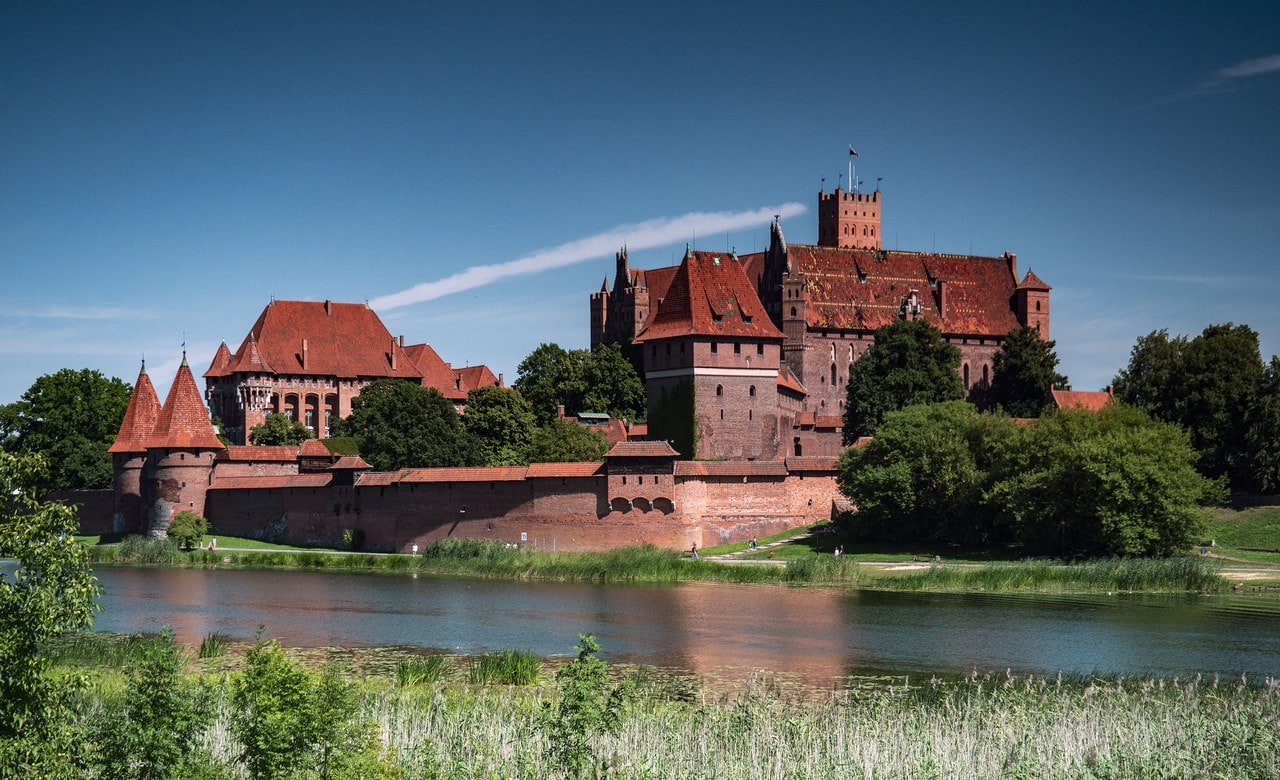
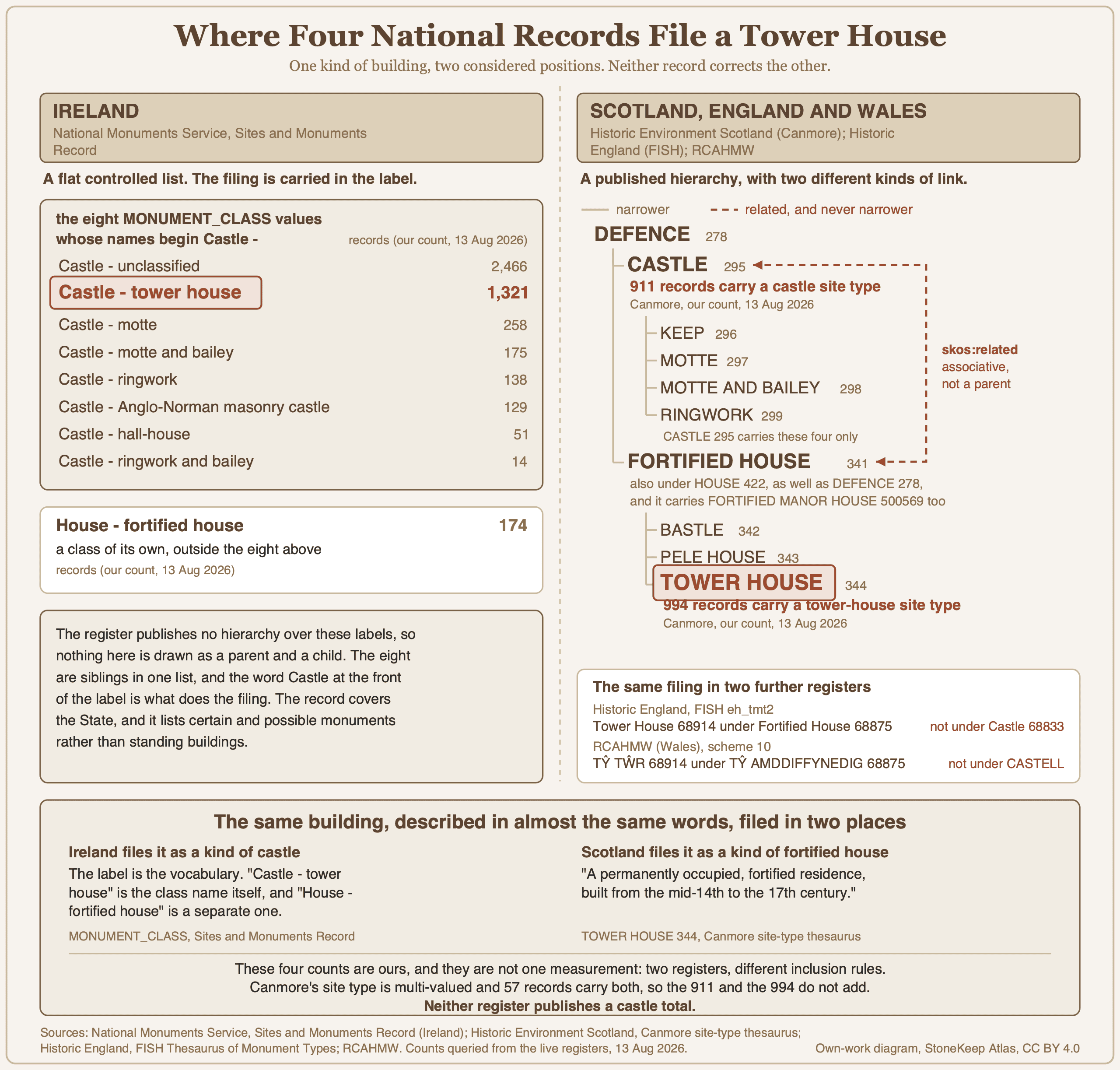
Ask whether a tower house is a castle and four national records give two answers. Ireland’s Sites and Monuments Record settles it in the label: Castle - tower house, 1,321 of them, one of eight classes whose names begin with Castle. Scotland’s record puts the same building somewhere else. Canmore’s thesaurus defines a tower house as “a permanently occupied, fortified residence, built from the mid-14th to the 17th century,” and files it under fortified house, a term the thesaurus relates to castle but never places beneath it. Historic England and the Royal Commission on the Ancient and Historical Monuments of Wales file it the Scottish way. Ireland has 1,321 tower houses inside its castle classes, and Scotland has 994 that its vocabulary places beside the castle rather than beneath it, so the difference is in the filing rather than in the survey.
Neither position is loose. Ireland keeps a separate class, House - fortified house, with 174 records in it, so the Irish record separates the two things and files one of them under Castle. Scotland’s thesaurus is equally precise about what it admits. Its concept CASTLE is defined as “a medieval fortified building or range of buildings, serving as a royal, or baronial, residence, or administrative centre,” and the only narrower terms it carries are keep, motte, motte and bailey and ringwork. A permanently occupied residence built in the sixteenth century does not satisfy that definition, so it is filed as what it is.
This is the mechanism behind a four-figure popular total sitting beside a three-figure register count in the same country, and our guide to the castles of Scotland takes the same question up inside one national record. Two states surveyed the same kind of building, agreed about what it was, wrote almost the same words to describe it, and put it in two different drawers.
Germany: Its Own Castle Institute Says It Is Not Known How Many There Have Been
Germany’s answer is usually quoted as though it closed the subject. Read in place, it opens one. The Deutsche Burgenvereinigung’s European Castle Institute begins the description of its own castle database by saying that to this day it is not known how many castles there have been in Germany. Its stated reason is administrative: only the individual federal states hold data collections, those collections are split by conservation discipline, and a nationwide coordination is missing.
Two things about that sentence change what it means. It opens with Denn, meaning because, so it is a justification rather than a statement offered on its own, and its job is to explain why a database was needed. And the sentence immediately after it says where the institute comes in: with this central body, it writes, good conditions now exist for a continuous, supra-regional recording of castles that does not depend on individual people. Germany’s missing number is the premise for the institute’s existence. Read in sequence, it is a starting point rather than a gap.
There is also the verb. The institute writes gegeben hat, have been, so the sentence is about how many castles there have ever been in Germany, not how many are standing now. Those are two different projects, and the database the sentence introduces attempts the second one.
EBIDAT, the database in question, held 8,841 German records when we counted it on 13 August 2026, of 9,371 across all the countries it covers. Those 8,841 are records of castle sites rather than of standing castles, and the institute is explicit about why: its stated aim is to record not only the installations still standing but, as far as possible, every formerly attestable castle site, the vanished ones included. Aim is the operative word in that sentence. It describes what the project is for and not what it has reached.
How records like these are organized, and how three national recording vocabularies file the same earthen mound in three different places, is worked through in our history of castles and what ended them.
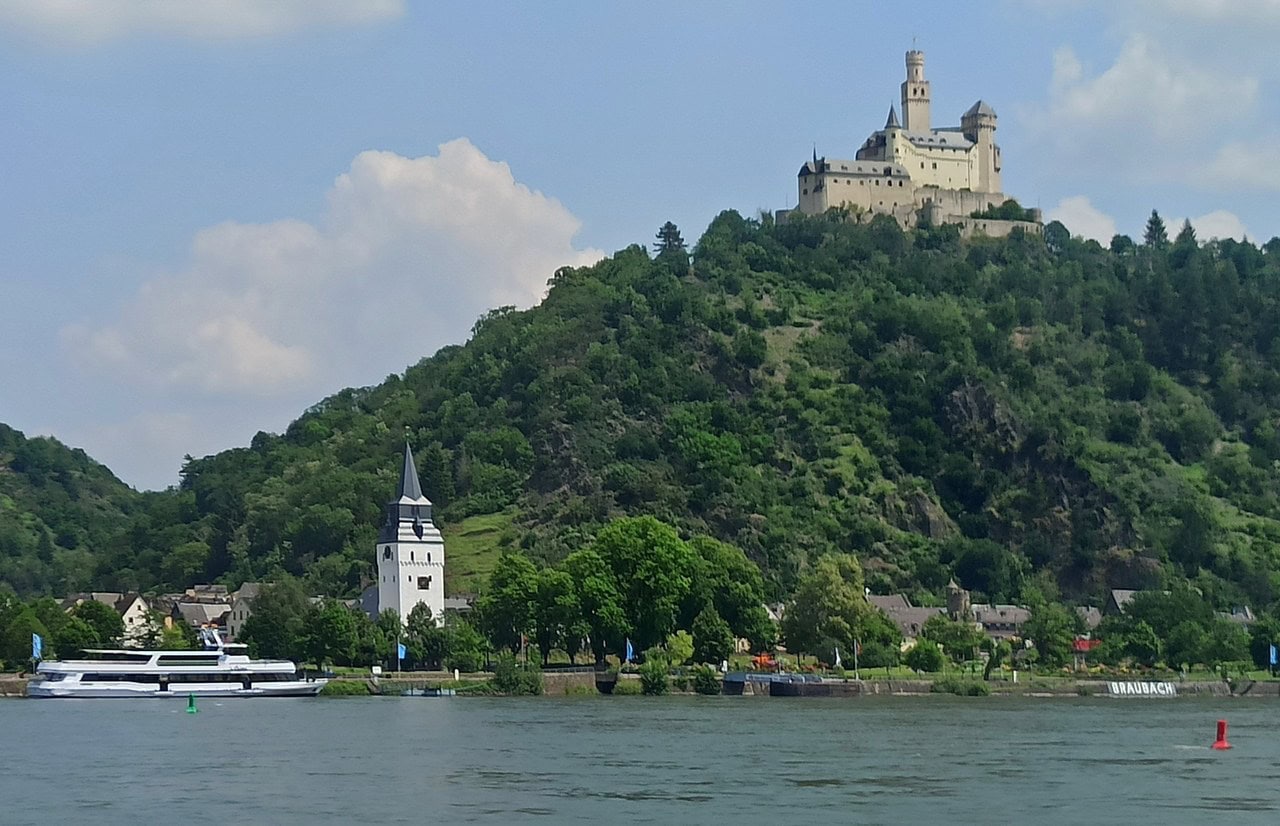
France: 45,223 Protected Monuments, and 6,286 Notices That Say Château
France keeps the largest register in this survey, and finding castles in it means going past the summary the ministry publishes. Its 45,223 protected immovable monuments of every kind, at 31 December 2024, are published with a typology breakdown whose classes are domestic, military, religious and so on, and none of those published classes is château. Go into the register itself and the word is everywhere. The Ministère de la Culture releases the base Mérimée as open data, refreshed daily, and 6,286 of its protection notices carry a denomination of château or château fort, counted on 13 August 2026.
Six thousand notices is not forty-five thousand châteaux, and it is not a count of buildings either. A single notice can cover an ensemble; one château can carry several; a château that has never been protected appears in no register at all. What the figure is good for is not a total but a sample. Of those 6,286 notices, 6,055 are filed under architecture domestique and 54 under architecture militaire, which is a harder fact than the published typology can give: what France protects under that word is overwhelmingly a country house.
France also keeps a controlled vocabulary for architectural designation, the Inventaire général’s thesaurus of designations, and it does carry château concepts. Where they sit, on two different top-level branches, is a split our comparison of castle, palace and fortress already sets out. Three smaller things on those concept pages each mark a step at which a count would go wrong.
The vocabulary anticipates the problem it creates. First, its instruction to cataloguers is not to call a building a château where it is only a country villa with no agricultural or forest estate contemporary with its construction. Where the local name insists, the designation is to be written dit château, so-called château. Second, château and château fort are recorded as related terms to one another rather than as parent and child, so neither concept is placed inside the other. Third, and this is where the counting begins to come apart, the English descriptor the thesaurus prints for its own château concept is castles & châteaux. Its own translation of château is castles, with the French word kept alongside because one word will not carry the other.
France’s own count, and the figure it keeps being confused with, is worked through in our guide to the châteaux of France.
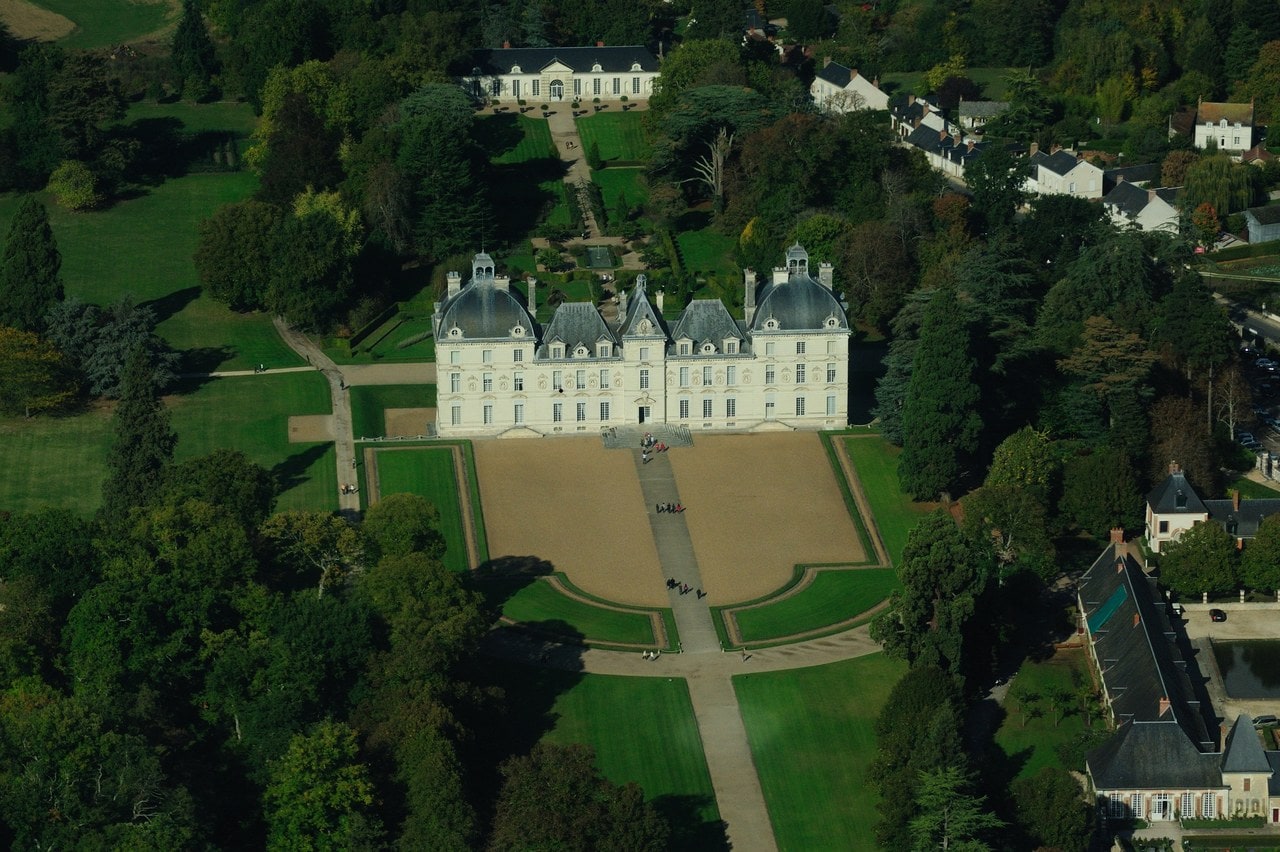
Wales: Four Government Numbers on Three Government Websites
Four different castle figures for Wales sit on three websites, and all three websites belong to the Welsh Government. Cadw, the government’s heritage service, says on its main castles page that there are 427 of them. A second Cadw page says over 600. wales.com, the government’s national brand site, says more than 400 to see at last count. Visit Wales, the government’s tourism arm, says over 641. All four were read on 13 August 2026, and none of them carries a date of its own.
Nothing about that is careless. Each figure is doing a different job on a different page for a different reader, and none of those pages is a register. What the set shows is what happens to a number with no stated rule once it is loose. The four have been in circulation for years, and wales.com’s is one of the twenty links cited by the aggregator discussed below.
| Publisher (all Welsh Government) | Figure, verbatim | Rule given | Dated? |
|---|---|---|---|
| Cadw, /visit/places-to-visit/castles-wales | “there are 427 of them!” | none | No; read 13 Aug 2026 |
| Cadw, same page | “Cadw looks after 44 castles” | in its care | No |
| Cadw, /…/wales-castle-capital-world | “With over 600 castles…” | none | No |
| wales.com | “more than 400 to see at last count” | “to see” | “at last count” |
| Visit Wales, /en-us/info/getting-know-wales | “over 641 castles, more per square mile than any other country in Europe” | none, and no basis stated | No |
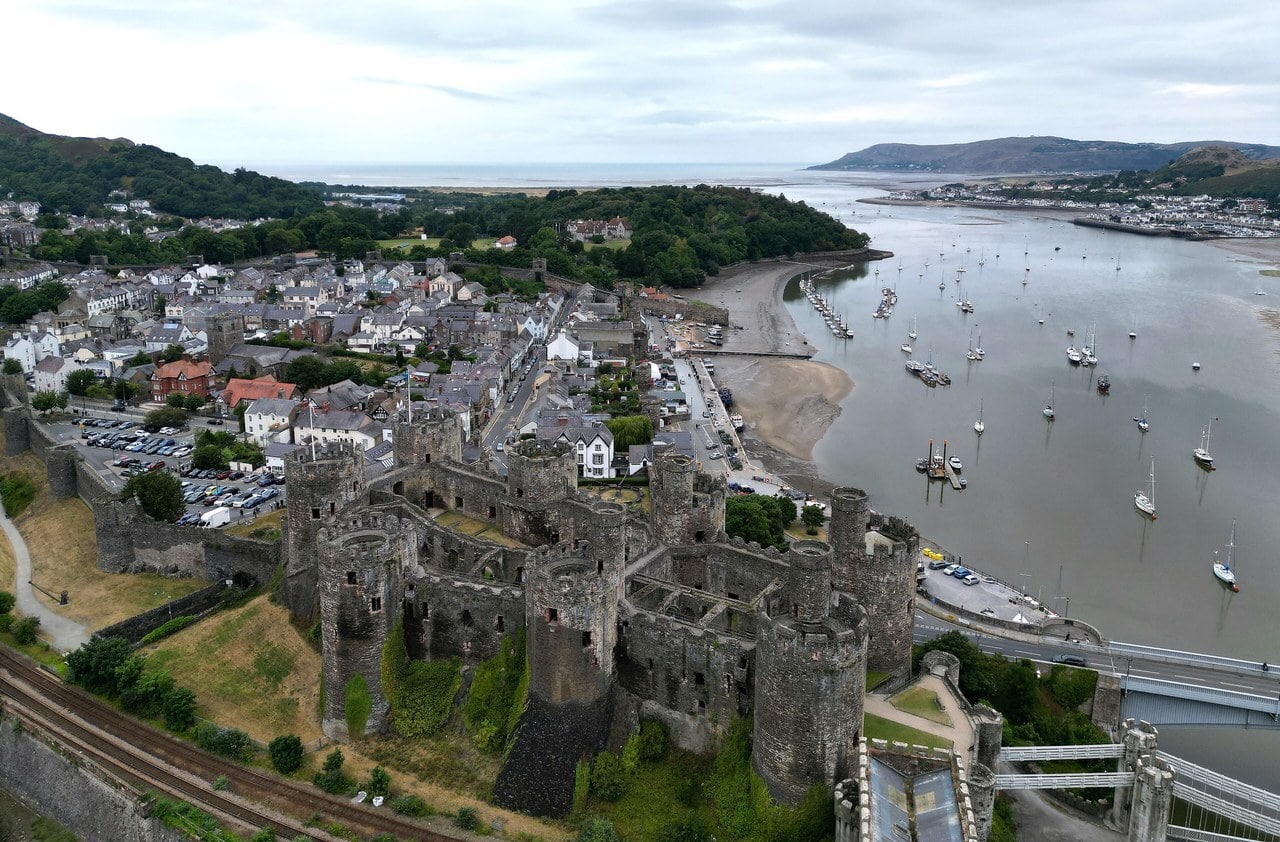
Why nobody can work out castles per square mile
Visit Wales makes the density claim in its own words: “Wales is home to over 641 castles, more per square mile than any other country in Europe.” Note the scope clause. It says in Europe, and the version that circulates on the open web has widened it to the world, a widening that did not come from the Welsh Government.
Try to reproduce the fraction and it comes apart in both halves. Its numerator is whichever of the government’s four figures you choose, and those are 427, over 600, more than 400 and over 641. Its denominator is not settled either. The Office for National Statistics publishes three legitimate extents for Wales: one measured to mean high water, one for land excluding inland water, and one for the extent of the realm. They are not interchangeable, so four counts against three areas is twelve answers, every one of them printable and none of them checkable.
None of that makes the claim false. Visit Wales states no basis for it on the page, and failing to find a basis is not the same as there being none. What it does mean is that the figure cannot be reproduced from what the government publishes, which is the difference between a measurement and a phrase.
Slovakia’s version of the same claim, that it leads on castles per head of population, circulates the same way and on the same kind of page. Slovakia’s heritage authority publishes no castle figure in those statistics, so that fraction has no numerator to test. A density figure needs a sourced number on both sides of the line, and neither of these claims has one.
What Cadw’s schedule can and cannot contain
Wales has two heritage bodies and they encode the question differently. Cadw’s statutory schedule is one level deep: Castle and Motte are two of its 248 site types, filed side by side under Defence, with nothing in the published data saying whether one contains the other. The Royal Commission’s monument-type thesaurus does say. There, Motte sits directly beneath Castle and carries Castle Mound and Motte Castle among its non-preferred terms. Cadw’s schedule holds 104 monuments typed Castle and 266 typed motte, motte-and-bailey or ringwork; whether that is 104 castles or 370 depends on which Welsh authority’s vocabulary you read it through.
That 370 is ours, not Cadw’s, and here is the recipe: Castle 104, Motte 156, Motte and Bailey 72, Ringwork 35, Ringwork and Bailey 3, counted from the live schedule on 13 August 2026. Two cautions travel with it. Cadw’s published schedule is a flat list with no hierarchy in it, so it supplies no answer to whether the sum is legitimate. Five of the earthwork records inside the 370 are also dated outside the medieval period, four of them prehistoric.
Then there is a harder limit, of the same kind England’s schedule has. The Welsh Ministers “may not add to the schedule any building or structure occupied as a dwelling by any person other than the caretaker of the building or structure or a member of the caretaker’s family.” That limit falls on buildings, not on castles: Caldicot and Usk in Monmouthshire and Newport in Pembrokeshire are all among the 104, each entered as its unoccupied parts. Nor is the 104 a list of the castles a reader would name first: Powis and Chirk are not among them, and nothing in the published schedule says why. The register is doing the job its statute gave it, and the job was never to count castles.
Japan Counts Designations, Not Castles
Japan’s Agency for Cultural Affairs runs a register that does name castles. Its buildings register carries a pre-modern castle class, 近世以前/城郭, and under that class the Agency’s database lists nine National Treasure designations and forty-four Important Cultural Property designations, consulted on 13 August 2026.
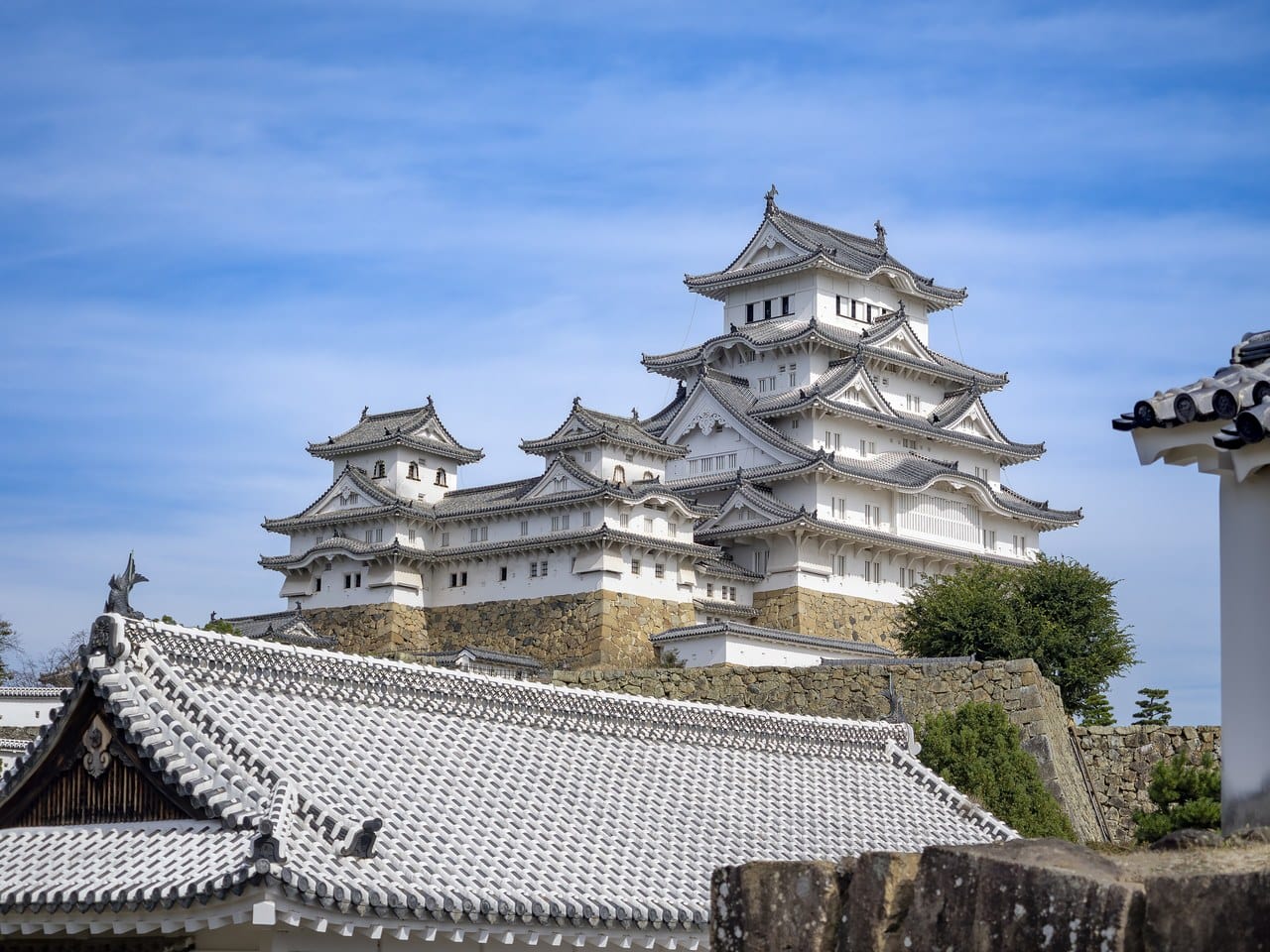
A designation is neither a castle nor a building, and Japan is where that stops being a quibble. Those nine cover five castles: Matsumoto, Inuyama, Hikone, Matsue and Himeji, which carries five of the nine by itself. And one of the nine covers three structures at once, Hikone’s keep together with its attached turret and its multi-turret.
So the unit slips in both directions from one table. One castle can hold several designations; one designation can hold several buildings. The Agency is precise about this in a way the popular figures are not: it counts designations and buildings in different units, 件 for a designation and 棟 for a building, and prints both. Its own current figures, dated 1 August 2026, are slightly larger than what the database displays, and the database says so on its own about page.
Nine and forty-four are also the wrong two numbers to add. They are two designation classes as one database displays them; the Agency’s summary page counts them on a different convention, and a total made by summing them is a figure nobody publishes. Japan’s separate register of historic sites, where a great many castle sites are also designated, carries no castle class in its browse vocabulary at all. The same building can therefore be inside a castle class in one register and inside no castle class in the other.
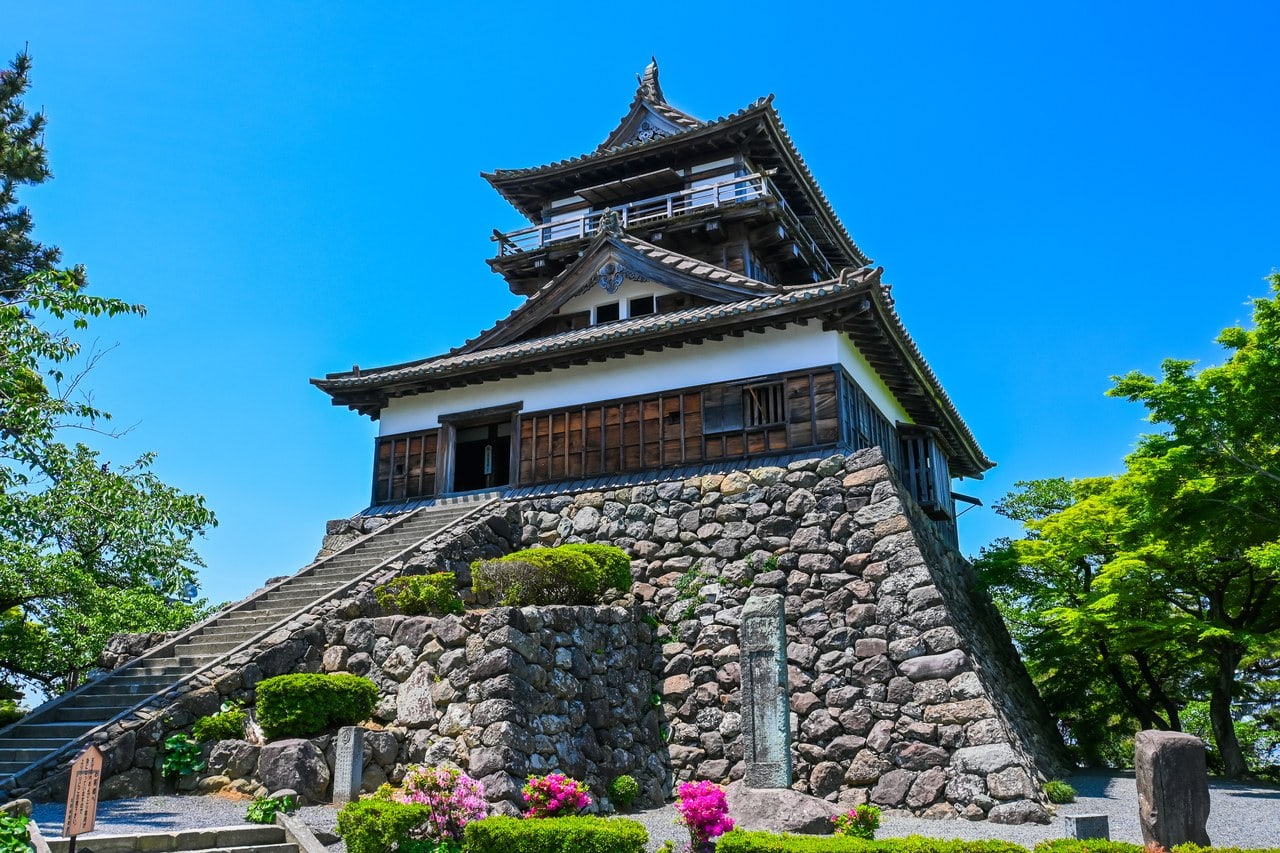
Why These Totals Cannot Be Added Up
These numbers are not rival answers to one question. Japan is counting designations, Ireland is counting sites, France is counting protected immovables of every kind, Wales is counting monuments on a schedule to which the law forbids adding a lived-in house, and Germany is counting castle sites including the ones that no longer exist. Before any of them can be ranked, somebody has to decide what is being counted, and no two of these registers made the same decision.
Underneath that sit five separate faults, and any one of them alone would be enough. The unit of count differs. What counts as a castle differs, and the tower house shows that this is a documented disagreement rather than an oversight. The unit of record differs: the Royal Commission in Wales files the motte beneath the castle, while the French Inventaire files its motte under ouvrage militaire, the branch for works rather than for buildings. Both are describing the same mound in almost the same words. Then the legal instrument decides the population invisibly, as England’s and Wales’s schedules do. And doubt itself is recorded in three incompatible architectures: Ireland calls its whole record certain and possible, Scotland flags individual identifications as only possible, and Germany carries a form value marking a motte as questionable. Three ways of writing down that nobody is sure, and no way to net them against each other.
France and Poland make the point twice in two languages. France splits the château between architecture militaire and architecture domestique; Poland splits the zamek between OBRONNE, its defensive class, and DWORY_PALACE, its manors and palaces. Two registers, two languages, one identical fault line, and neither can produce a castle count because of it.
Where those vocabularies came from, and why they diverge in the way they do, is the subject of the recording vocabularies themselves.
Where the 45,000 and the 20,000 Came From
Most of the answers on the open web trace to one page: a population-data aggregator’s castles-by-country ranking, which prints France at 45,000, Italy at 20,000, Germany at 3,481, Czechia at 1,820 and the whole United Kingdom as a single row at 1,500. Its own prose reads, in part, “…France holds the most – 45,000 of them, to be exact – followed by Italy with 20,000 and Germany with 3,481.”
That page also publishes its sources, twenty of them, and its table does not match its list. Not one of the twenty is a national heritage authority. Two are Wikipedia list articles, one is a property agency, one is a school-worksheet publisher, and the rest are travel sites, university-recruitment pages and national tourism brands. On three of the countries in our own table, the number in the aggregator’s column does not match the number on the page it cites for that country.
Italy is the cleanest specimen. The aggregator’s Italian link goes to a tourism page whose sentence, read to its end, is: “There are about 45,000 castles, towers and manors in Italy.” Three classes, counted together. The aggregator’s own column, headed castles, prints 20,000. One sentence, saying neither thing, is how both “Italy has 45,000 castles” and “Italy has 20,000 castles” got into circulation.
The mechanism is boring: figures gathered from a couple of dozen unrelated pages, each counting a different thing on a different rule, cannot be put into one column and sorted.
A German figure of 20,000 to 25,000 circulates on the same kind of page and travels further than any of the others, because it is the figure the McDonald’s comparison needs. No primary carrier for it was reached on any route we tried, which is not the same as its being wrong; a number of that order may rest on a source nobody has traced. What can be set beside it is the Deutsche Burgenvereinigung’s European Castle Institute, which states that it is not known how many castles there have been in Germany.
Does Germany Have More Castles Than the United States Has McDonald’s?
One side of that comparison is exact, filed and audited. McDonald’s Corporation reports 13,706 systemwide restaurants in the United States at year end 2025 in its annual report to the Securities and Exchange Commission, against 13,557 at the end of 2024 and 13,457 at the end of 2023 on the same basis. Systemwide means company-operated and franchised together, and roughly 95 percent of the American estate is franchised, so it is not a count of restaurants the company owns. It is a stock figure taken on 31 December, in a year when McDonald’s opened 2,276 restaurants worldwide and closed 396.
The other side has no source of comparable standing. German castle figures in circulation run from 3,481 to 25,000 depending on which page you land on. EBIDAT holds 8,841 German records including vanished sites, and the institute that keeps EBIDAT states that it is not known how many castles there have been in Germany. Two of the circulating figures make the claim true and two make it false, and nothing arbitrates between them, so only one side of this comparison has a source.
What the pairing does show is a difference in kind. The 10-K counts businesses: legal entities, audited, filed under a rule the filer must follow and a definition the filer must publish. Every castle figure on this page counts sites, records or designations, which are things somebody decided to write down and then had to define.
You Can Visit
Ireland’s register, which records more castle-class sites than any other in this survey, names one hundred monuments on its own list of monuments to visit, and twenty-five of those hundred are castle-class, counted on 13 August 2026 against 4,552 castle-class records in Ireland’s own Sites and Monuments Record. Cadw, on the page where it says there are 427 castles in Wales, says it looks after forty-four.
Five of the buildings behind these registers are open to visitors.
Burg Eltz, Germany. A castle in a side valley of the Moselle, still standing and still owned by the family it was built for. Opening is seasonal, interiors are guided only, and every route in ends on foot: by train to Hatzenport and bus to the castle car park, or up the Elzbach valley from Moselkern on a walk of 2.5 km.
Neuschwanstein, Germany. Guided tour only, on a timed ticket that is issued at the Ticket Center in Hohenschwangau and nowhere else. Tours start punctually and a late arrival forfeits the slot. Reachable by train to Füssen and bus, then about 30 to 40 minutes on foot up a steep 1.5 km road that is closed to cars and bicycles. A lift makes the interior tour possible for wheelchair users by advance registration, one visitor per hour.
Castell Conwy, Wales. Cadw’s own site, in the country whose four government figures are set out above. Open all year, self-guided, no booking, and Cadw makes its own recommendation on the page: restored spiral staircases let you walk a complete circuit of the castle’s battlements. It is 0.6 km from Conwy station; the castle has no car park of its own, and Cadw points drivers to a council pay-and-display car park beside the visitor center, with long-stay and coach parking outside the town walls.
Trim Castle, Ireland. An Anglo-Norman masonry castle in Co. Meath and one of the twenty-five castle-class monuments on the state’s own visit list. Open year round on a reduced winter pattern, daily in the warmer months and weekends only in midwinter, with the keep on a guided tour and the grounds free.
Himeji Castle, Japan. The castle carrying five of Japan’s nine National Treasure castle designations. Open all year, self-guided, about 1.5 to 2 hours inside, and a 20-minute walk from JR Himeji station. Outdoor shoes come off inside the buildings, so bring a bag for them, and there is no lift anywhere in the castle: the operator describes the climb to the main keep as being like climbing a small mountain.
Common Questions
Three questions that arrive alongside this one are not answered below, for three different reasons. Ranking castles against each other by merit is not something a heritage register can support and not something this site does. Asking which country simply has the most, with no criterion attached, is what the whole page above answers, so it is not restated here. And any question that presupposes one country has more than another is asking for a comparison these registers cannot carry, so the version answered below keeps the intent and drops the presupposition.
Which UK country has the most castles?
Ask the question in the UK and the answers differ in kind, not in size. Historic England’s published data carries 20,001 scheduled monuments and 379,682 listed entries, with no monument-type field in either. Historic Environment Scotland publishes no castle total, though its record holds 911 entries with a castle site type. Of those three, only the Welsh Government publishes castle figures outright, and it publishes several of them, from 104 scheduled monuments typed Castle to over 641 on its tourism site.
Who has more castles, Ireland or Scotland?
Neither record answers that, because the two are not counting the same thing. Ireland’s Sites and Monuments Record holds 4,552 sites across eight named castle classes, tower houses included. Scotland’s Canmore holds 911 records with a castle site type and 994 typed tower house, and those two sets overlap by 57, giving a union of 1,848 on our own count of 13 August 2026. Ireland’s figure contains its 1,321 tower houses by definition; Scotland’s 911 contains only the 57 records that carry both types.
Which city has the most castles?
No heritage register in this survey counts castles by city. The one register that both names a castle class and records an administrative area records it by unitary authority, and the castle a reader pictures when the question is asked sits in that register under a different type. Cardiff Castle is in the schedule, as Cardiff Castle and Roman Fort, but it is typed Fort rather than Castle, so it falls outside the 104 for a reason of vocabulary rather than of law. The one scheduled monument typed Castle in the Cardiff authority is Castell Coch.
What is the castle capital of the world?
That phrase is the title of a page on Cadw’s own website, the Welsh Government’s heritage service, and the figure the page attaches to it is over 600. Read on the same day, 13 August 2026, Cadw’s main castles page gives 427. Neither page carries a date, and neither says how its figure was reached. So the phrase records a government publication’s headline rather than a comparison anybody has published a method for.
What country has over 20,000 castles?
Germany is what the question is usually pointing at, and the figure has no carrier we could reach. In the ranking aggregator’s own list of sources, its German entry links to a school-worksheet publisher whose page gives 25,000. That is not the same as the figure being wrong; it means only that we could not trace it to a register or an institute. Against it stands one attributed sentence, from Germany’s own castle institute: how many castles there have been in Germany is not known.
What country has the most castles still standing?
Ireland’s, Wales’s, England’s and Scotland’s registers carry no condition field at all, so none of their totals on this page can be qualified that way. France’s carries one on a minority of its chateau rows, which is not enough to qualify a national figure either. EBIDAT does code condition, and it needs eight values to do it, two of which describe restoration rather than ruin. One of the eight is stark historisierend überformt, heavily reshaped in a historicizing manner, a category for a building that is neither a ruin nor what it was.
Which country has the most castles in Europe?
That depends on which European registers you are willing to treat as comparable, and they are not. The Czech National Heritage Institute’s protected-sites service returned 38,780 features on 13 August 2026, of which 38,764 come from the national monuments record and 16 carry a World Heritage designation scheme, a different instrument in the same file. Set that beside England’s 20,001 scheduled monuments and you are comparing one clean class against a mixture.
Principal Sources
- Agency for Cultural Affairs (文化庁). National Designated Cultural Properties Database, buildings register, and Statistics on Designated Cultural Properties, as at 1 August 2026. kunishitei.bunka.go.jp
- Cadw. “Castles in Wales.” cadw.gov.wales
- Cadw. “Wales: castle capital of the world.” cadw.gov.wales
- Cadw. Scheduled Ancient Monuments, Web Feature Service. datamap.gov.wales
- Deutsche Burgenvereinigung, European Castle Institute. “EBIDAT” and Europäisches Burgeninstitut. deutsche-burgen.org
- Historic England. National Heritage List for England, Scheduled Monuments and Listed Buildings open data services. historicengland.org.uk
- Historic Environment Scotland. Canmore, National Record of the Historic Environment, and the FISH-derived monument-type thesaurus. historicenvironment.scot and heritagedata.org
- McDonald’s Corporation. Form 10-K for the fiscal year ended December 31, 2025. sec.gov
- Ministère de la Culture. Bilan 2024 des monuments historiques and Immeubles protégés au titre des Monuments Historiques (base Mérimée), open data. culture.gouv.fr and data.gouv.fr
- Ministère de la Culture, Inventaire général. Thésaurus de la désignation des œuvres architecturales et des espaces aménagés, concepts T96-453, T96-516 and T96-521. data.culture.fr
- Národní památkový ústav. INSPIRE Protected Sites view service. geoportal.npu.cz
- Narodowy Instytut Dziedzictwa. Zestawienie danych statystycznych z rejestru zabytków: zabytki nieruchome, data date 1 June 2026. dane.gov.pl
- National Monuments Service / Archaeological Survey of Ireland. Sites and Monuments Record open data and Monuments to Visit. archaeology.ie
- Office for National Statistics. Standard Area Measurements for the Countries (December 2024) in the United Kingdom. geoportal.statistics.gov.uk
- Office of Public Works. “Trim Castle.” heritageireland.ie
- Pamiatkový úrad Slovenskej republiky. “Pamiatkový fond: štatistiky.” pamiatky.sk
- Royal Commission on the Ancient and Historical Monuments of Wales. Monument type thesaurus, scheme 10. heritagedata.org
- Senedd Cymru. Historic Environment (Wales) Act 2023, section 3. legislation.gov.uk
- Visit Italy. “The most fascinating castles in Italy.” visititaly.eu
- Visit Wales. “Getting to know Wales.” visitwales.com
- wales.com. “Castles.” wales.com
- World Population Review. “Castles by Country 2026.” worldpopulationreview.com
Image credits. Hero, two castles on one ridge above the Rhine: Photo: Jörg Braukmann, CC BY-SA 4.0. Source: Kamp-Bornhofen und die feindlichen Brüder, Wikimedia Commons; Leamaneh Castle in Burren farmland: Photo: Jerzy Strzelecki, CC BY-SA 3.0; Malbork from across the Nogat: Photo: Andrzej Miecznik, CC BY-SA 4.0; the tower-house filing plate: Own-work diagram, StoneKeep Atlas, CC BY 4.0; the Marksburg above Braubach: Photo: Wikhnsj, CC BY-SA 4.0; Cheverny, its lawns and its service ranges: Photo: Lieven Smits, CC BY-SA 3.0; Conwy Castle and the walled town: Photo: Llywelyn2000, CC BY-SA 4.0; the keep of Maruoka Castle: Photo: beeboys / Adobe Stock; Himeji’s keep group: Photo: Yasuo Hamashima, CC BY-SA 4.0. Freely licensed images are resized to fit; otherwise unaltered.