
History, Architecture & Records
The people, periods, and architecture that shaped Europe’s castles.
History articles, architecture references, and castle records and curiosities.
History, Architecture & Records is StoneKeep Atlas’s home for long-form editorial. History articles explore the figures, periods, and cultural currents that made castle-building what it became. Architecture references take a castle apart, from the gatehouse and walls to the keep, the great hall and the garderobe. Records and curiosities answer the questions readers ask about castles everywhere: the oldest, the largest, the country with the most, and the ones said to be haunted.
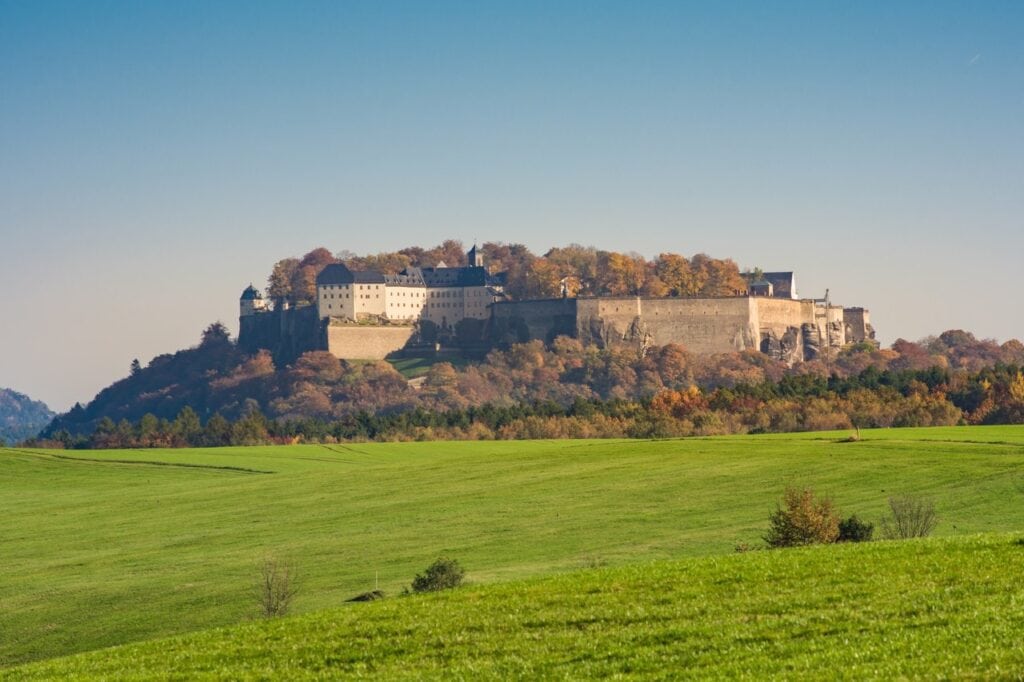
The Castle as Refuge: Sieges That Defined Germany
A castle is a promise. Long before it was a status symbol or a romantic ruin, it was a bargain a lord made with the people who sheltered inside it: come behind these walls, and you will outlast an enemy you could never beat in the open field. For most of a thousand years that…
READ THE GUIDE →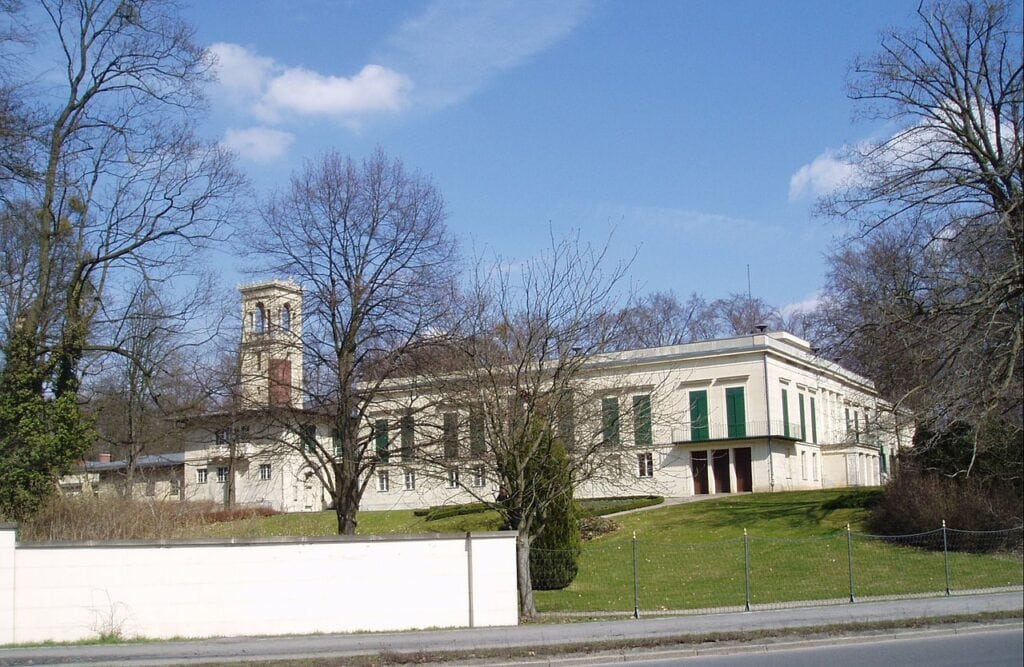
Schinkel, Persius, and the Prussian Romantic Landscape
Stand on the Glienicke Bridge on a clear morning and the Havel does something strange for a north German river: it looks like Italy. Cypress-dark plantings climb the far bank, a square tower rises above a screen of trees, and the water folds around wooded points that seem arranged for the eye. The effect is…
READ THE GUIDE →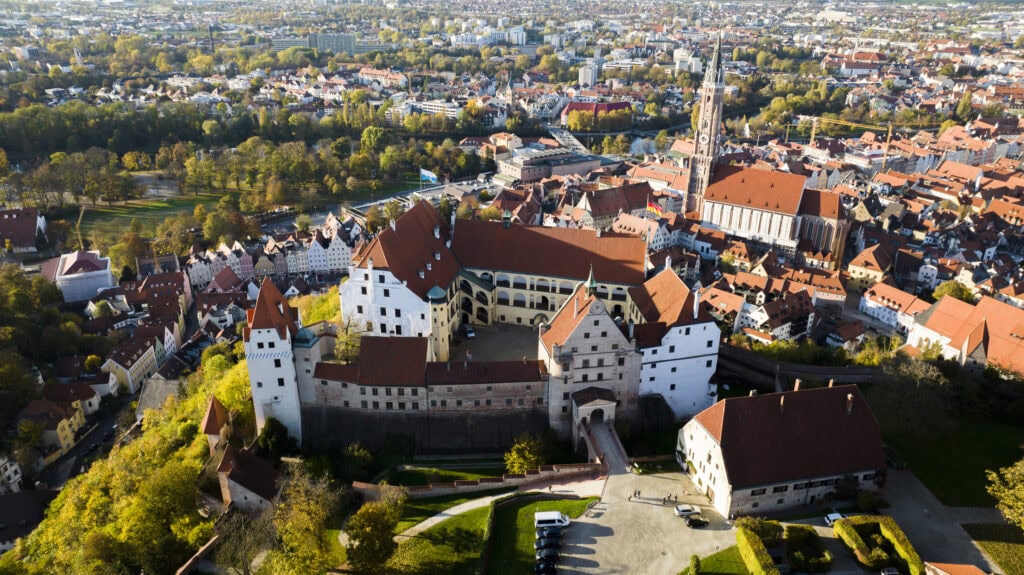
Wittelsbach Castles of Bavaria: 738 Years of Dynastic Architecture, 1180–1918
Three generations of Wittelsbach residence — medieval ducal seats, Renaissance and Baroque Electoral residences, and Ludwig II’s romantic-historicist castles — across the 738 years from 1180 to 1918 in which the dynasty held Bavaria.
READ THE GUIDE →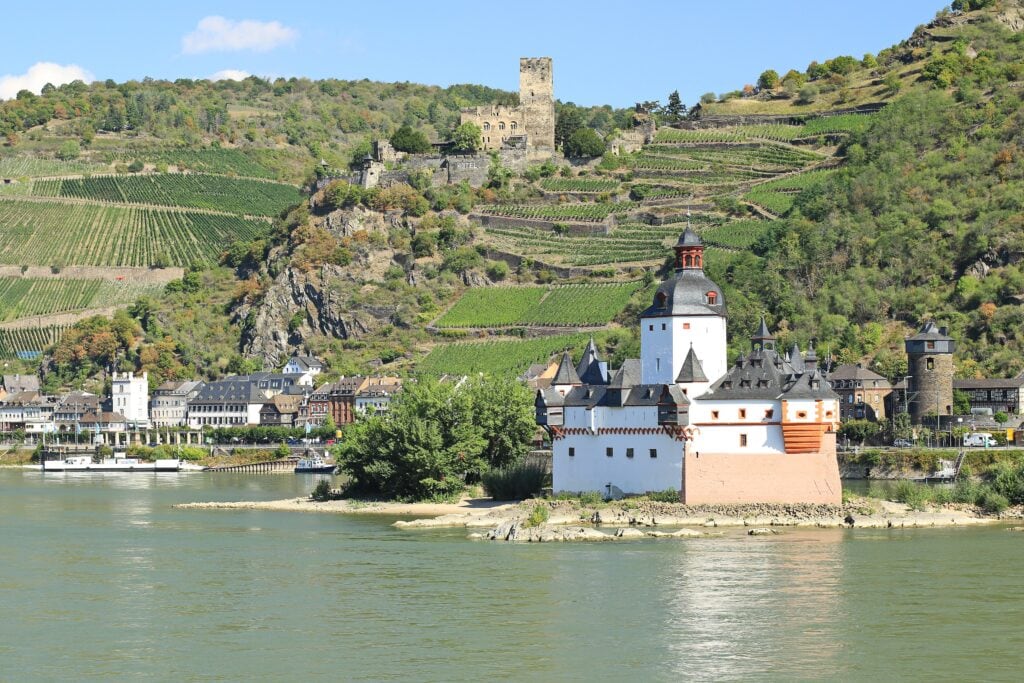
The Rhine Toll Castles: How an Imperial Tax System Built the Mittelrhein, 1300–1815
Between 1300 and 1815, the Mittelrhein was built and shaped by a single institution: the Rhine toll castle. Sixty-two stations by 1400, taxing every cargo on the river — until an Imperial law of 1803 abolished them in a single line.
READ THE GUIDE →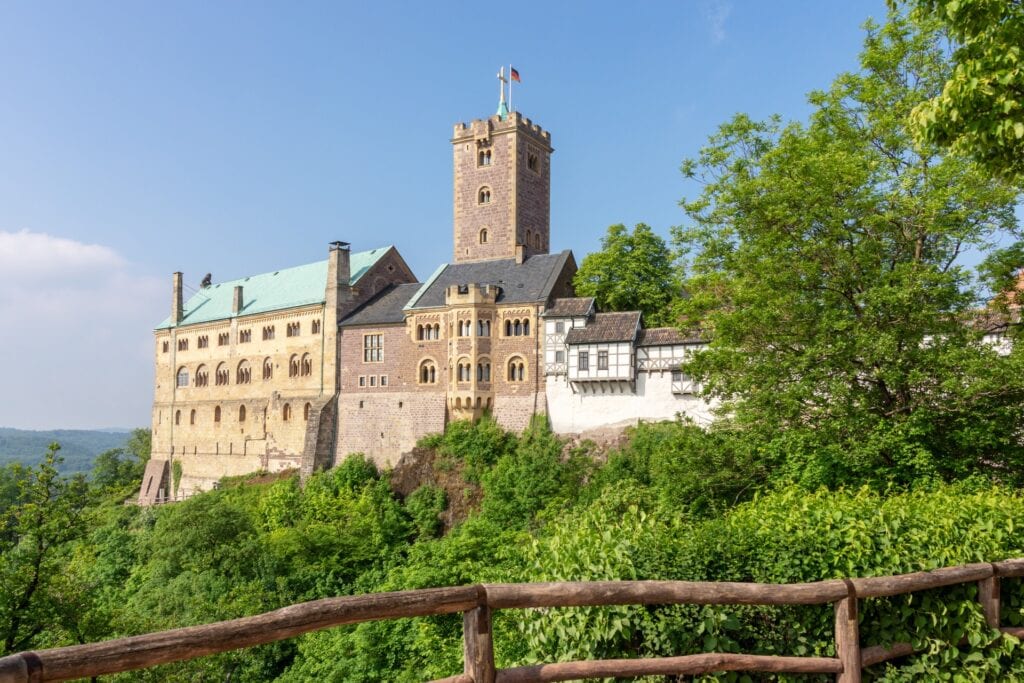
The Reformation and the Castle: Wartburg, Luther, and the Protestant Princes
Between 1521 and 1648, the German castle became confessional. From the Wartburg where Luther translated the New Testament to the bastioned Marienberg and the ruined Heidelberg, this article reads the architectural record of Europe’s confessional century.
READ THE GUIDE →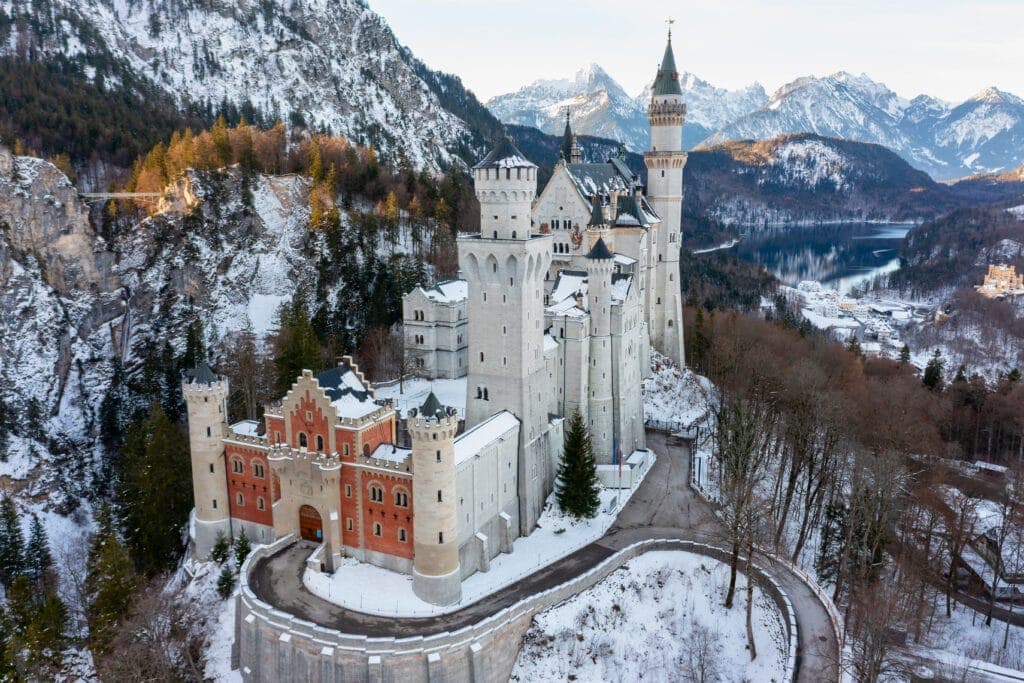
Ludwig II and the Architecture of Dreams
How Ludwig II’s Neuschwanstein, Linderhof and Herrenchiemsee were built inside a political settlement: his father’s murals, Wagner, Bavaria’s defeat in 1866, the Kaiserbrief, and Bismarck’s secret payments, which his biographer ties to the castles through the debts of building them.
READ THE GUIDE →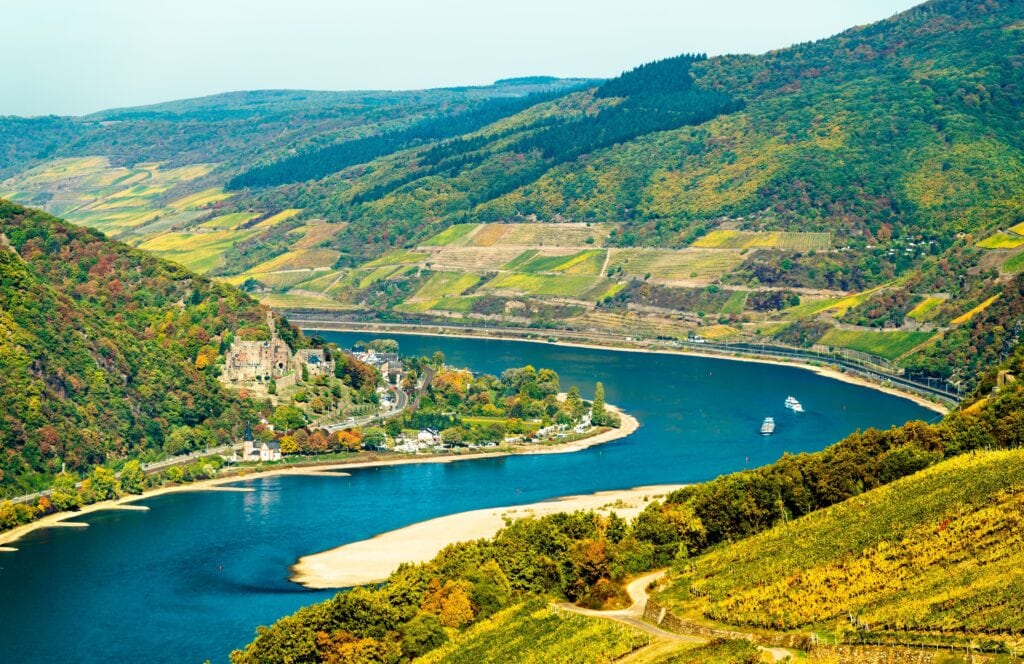
The Rhine as Contested Territory: Castles, Tolls, and the Collapse of Imperial Authority
In the summer of 1282, a royal army stood beneath the walls of Burg Reichenstein on the Middle Rhine. King Rudolf I of Habsburg, elected in 1273 to a throne that had stood effectively empty for two decades, had come to do what no German king before him had managed in living memory: take down…
READ THE GUIDE →