Stay in a Castle in Scotland: 10 Castle Hotels
To stay in a castle in Scotland is to book a bed inside living history, though it pays to know what you are actually booking. A few of these places are genuine medieval strongholds and former bishops’ palaces. Rather more are the tall, turreted mansions of the 1800s that Scots architects built in the Baronial style, borrowing the vocabulary of the castle (crow-stepped gables, corbelled turrets, a bartizan or two) without ever having to hold off an army. Both make a fine night. This guide names which is which, so you can pick the one that matches what you came north for: real fortress stone, a loch-view spa, a wedding hall, or a whisky bar with a view of a cathedral.
The ten hotels below all take per-room bookings, all host weddings, and all sit somewhere you would want to be anyway. They run from the Borders to Sutherland, so we have grouped them by region. Room counts come from each operator; nightly rates move constantly with season and demand, so we point you to live availability rather than quote a figure that will be wrong by the time you read it.
| Castle hotel | Region | What it really is | Rooms | Weddings | Nearest station |
| Dalhousie Castle | Midlothian | Genuine 13th-century castle | 35 | Up to 100 | Newtongrange (~1.7 mi) |
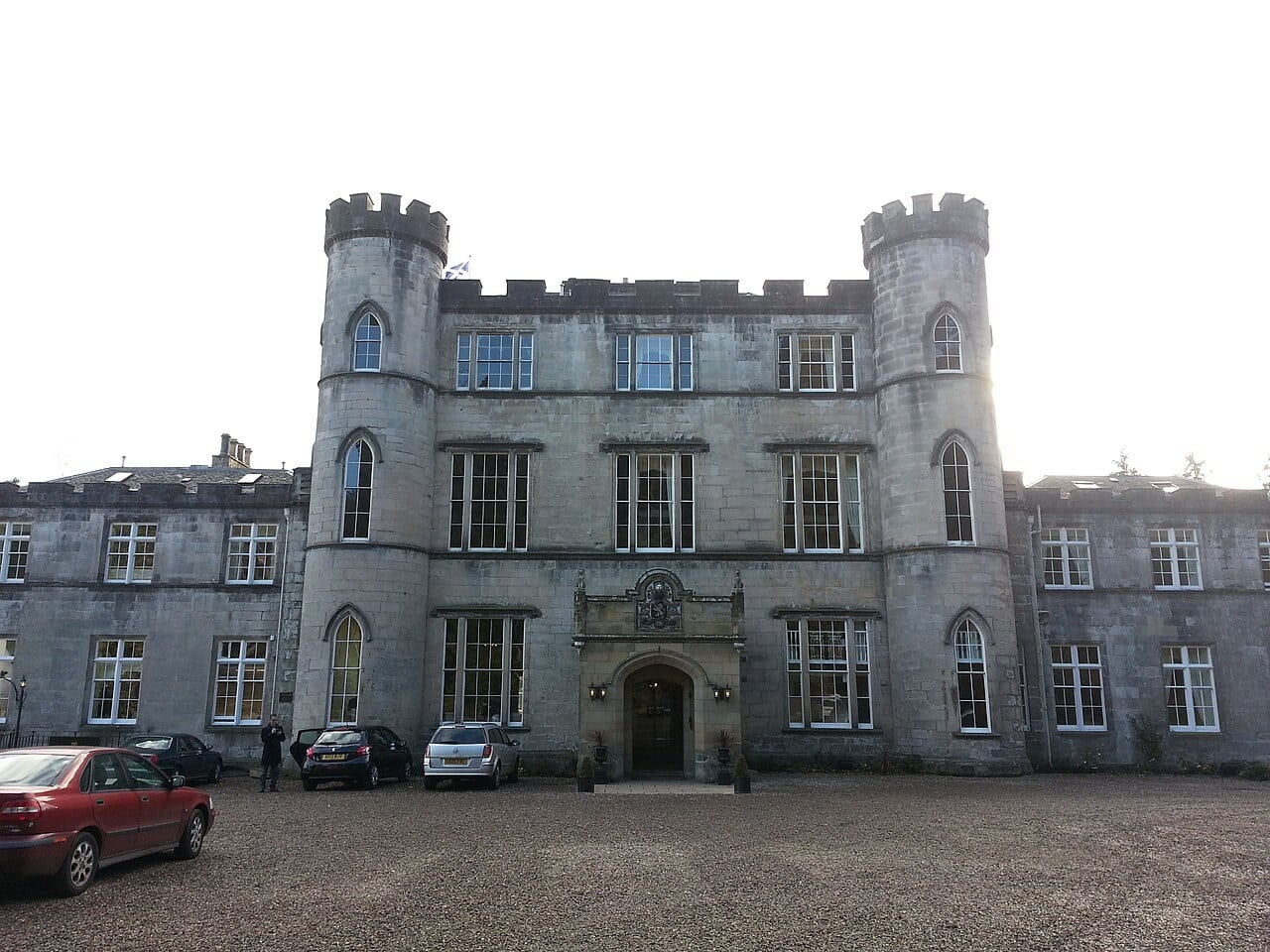
| Melville Castle | Midlothian | Georgian Gothic-Revival mansion (1786) | 33 | Up to 160 | Eskbank (~5-min drive) |
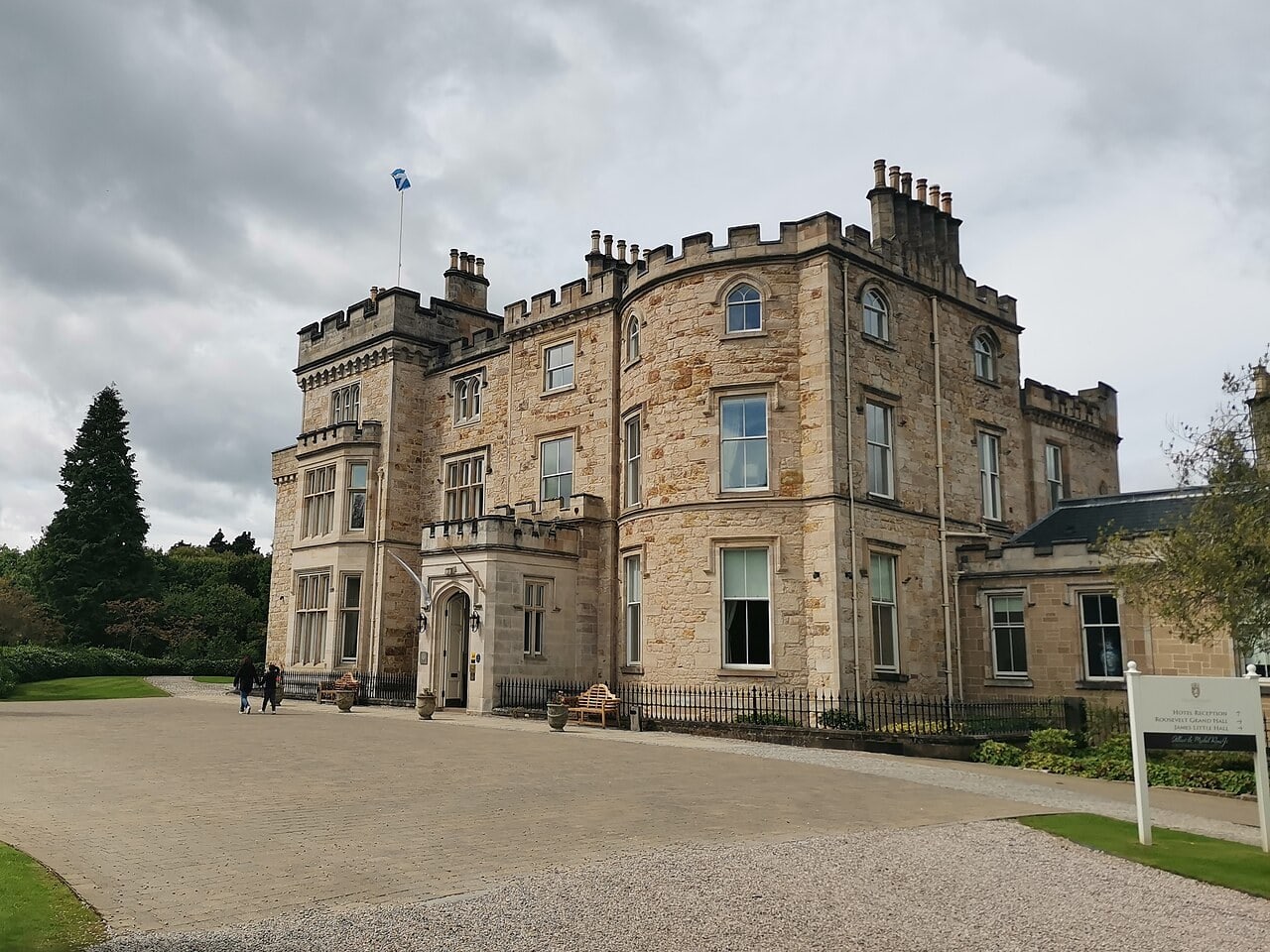
| Crossbasket Castle | South Lanarkshire | 15th/16th-c. tower + modern estate | 9 in the castle | Up to 250 | Blantyre (~2 mi) |
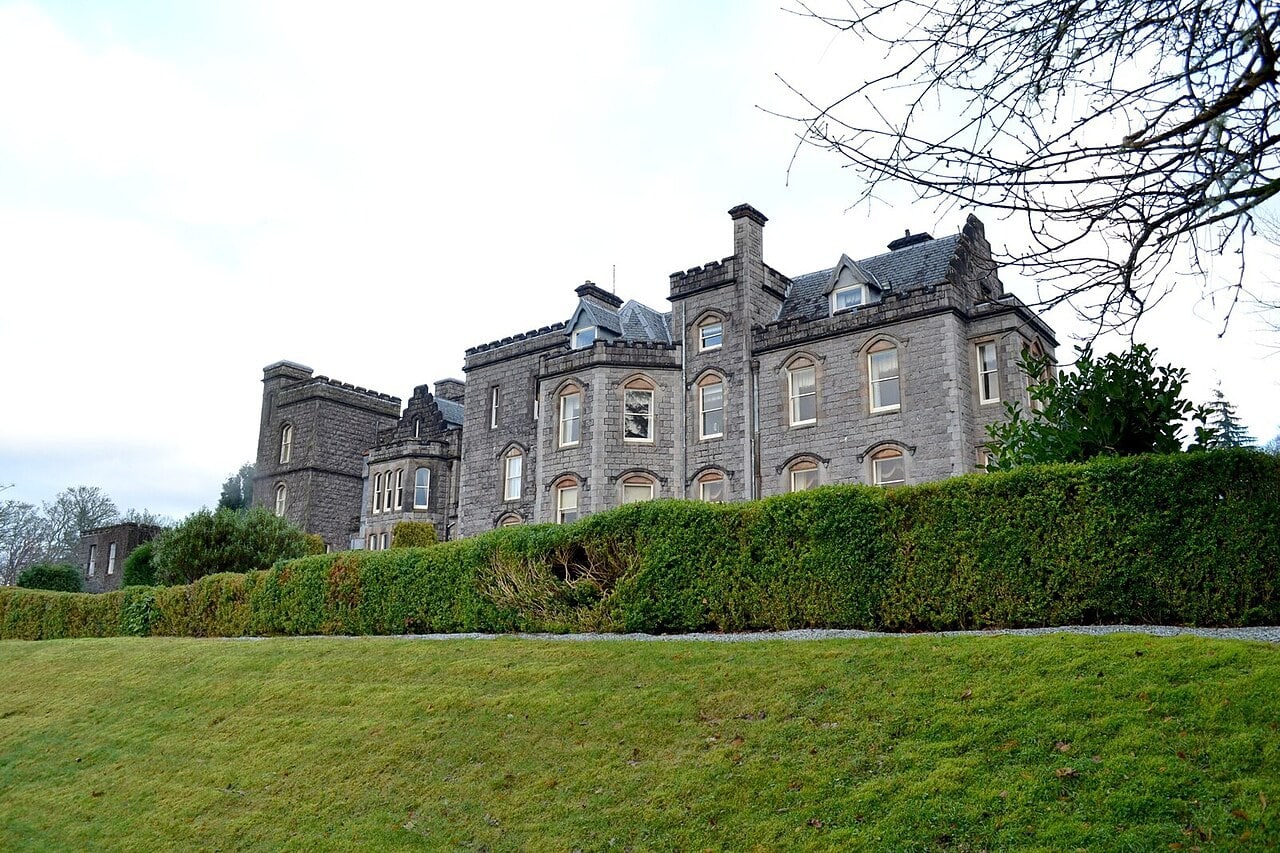
| Inverlochy Castle Hotel | Highland | 1863 Scots Baronial mansion | 17 (+8) | Yes | Fort William (~4 mi) |
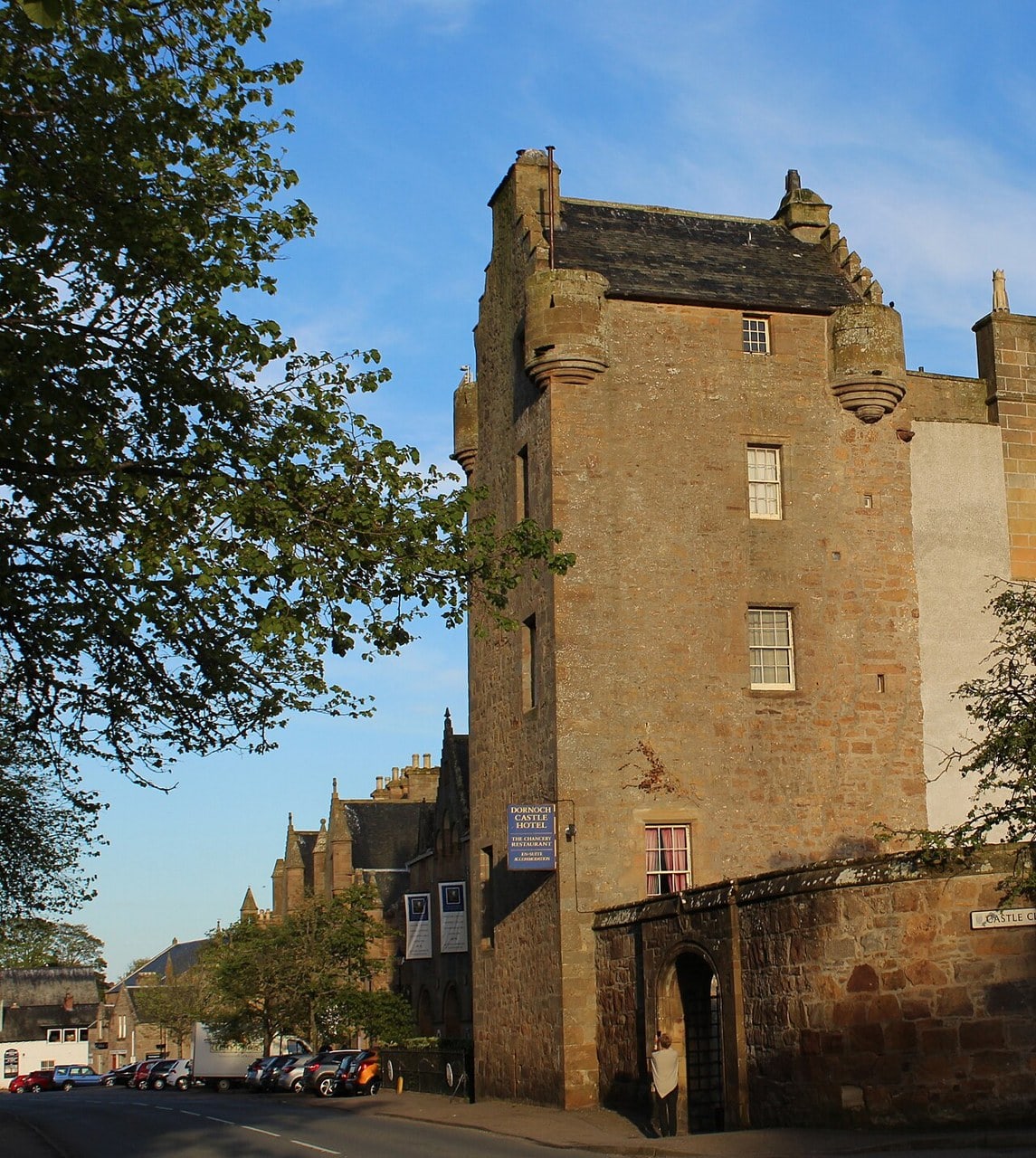
| Dornoch Castle Hotel | Highland | Former Bishop’s Palace (15th-17th c.) | 21 | Yes | Tain (~10 mi) |
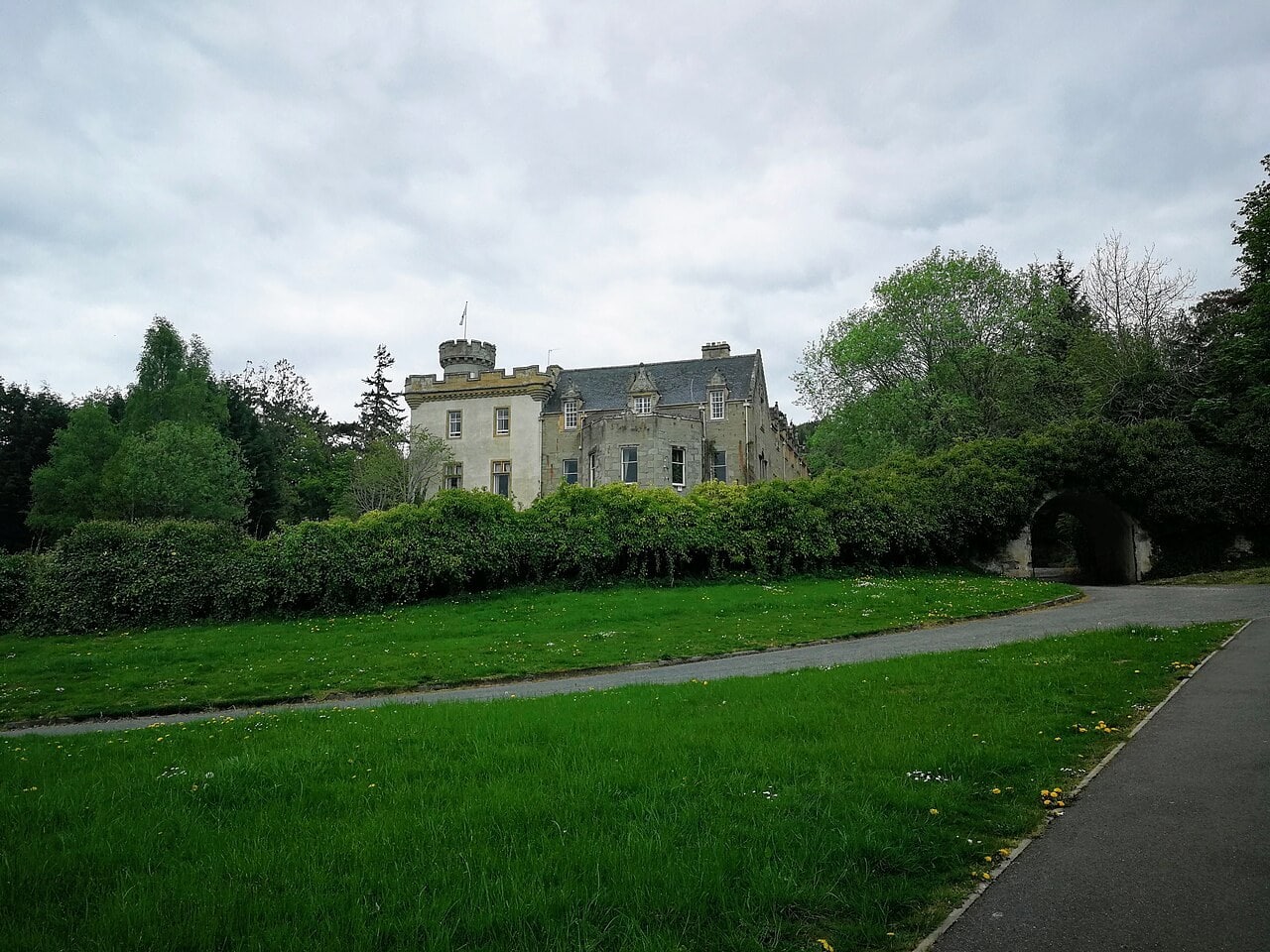
| Tulloch Castle Hotel | Highland | Medieval core, Baronial rebuild | 22 | Up to 80 | Dingwall (~0.7 mi) |
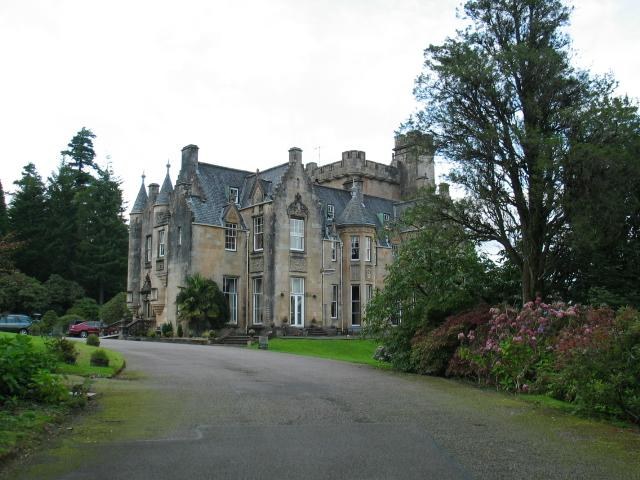
| Stonefield Castle Hotel | Argyll & Bute | 1837 Scots Baronial mansion | 38 | Yes | none nearby (drive) |
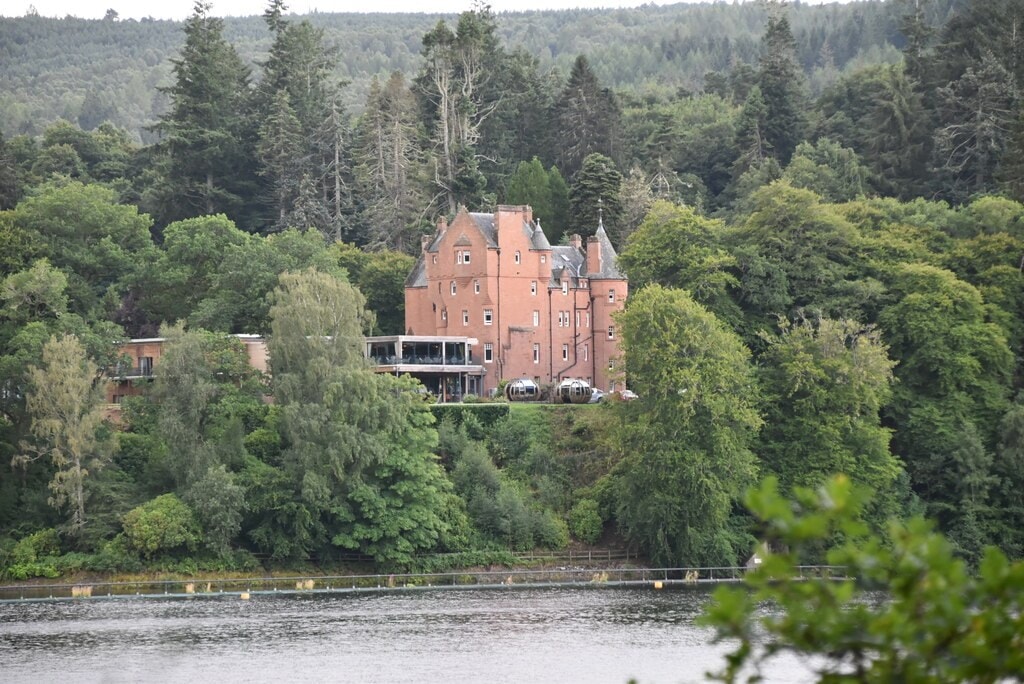
| Fonab Castle Hotel | Perthshire | 1892 Scots Baronial mansion | 42 | Yes | Pitlochry (~1 mi) |
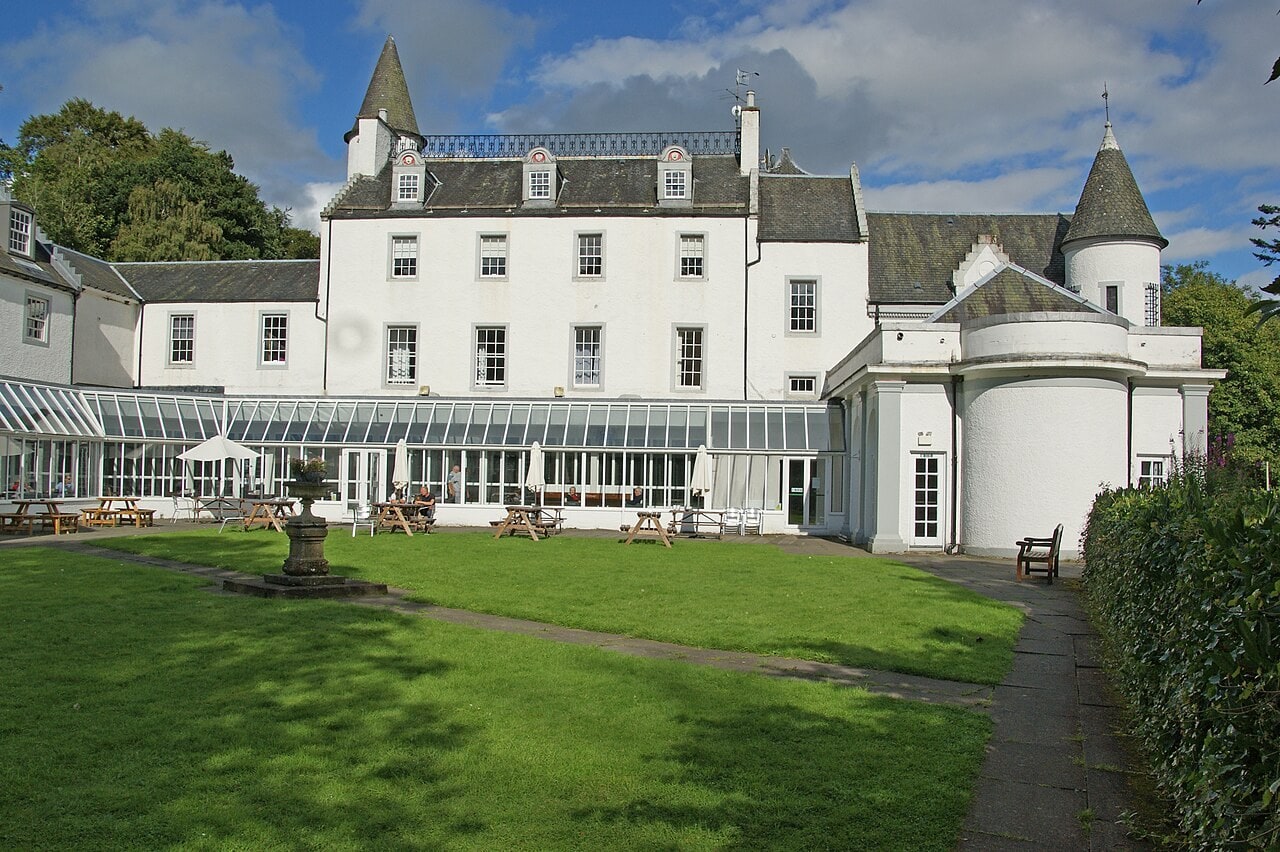
| Barony Castle Hotel | Scottish Borders | Peel-tower core, Jacobean front | 82 | Up to 250 | Gorebridge (~13 mi) |
| Meldrum House | Aberdeenshire | 13th-century tower at its core | 51 | Up to 200 | Inverurie (~5 mi) |
Some links on this page are affiliate links, which means StoneKeep Atlas may earn a small commission, at no extra cost to you, if you book through them.
Not sure which to pick? For the most authentically old stone, Dalhousie’s 13th-century castle and Dornoch’s former Bishop’s Palace lead. For a loch-view spa break, look to Fonab above Loch Faskally or Stonefield on Loch Fyne. Couples planning a wedding gravitate to Crossbasket and Barony, each able to seat 250. And for a great whisky bar under a genuinely old roof, Dornoch pours more than 300 drams opposite its cathedral.
Around Edinburgh: Dalhousie, Melville and Crossbasket
If you want a castle night without a long drive from the capital, three of the strongest options sit within half an hour of the city.
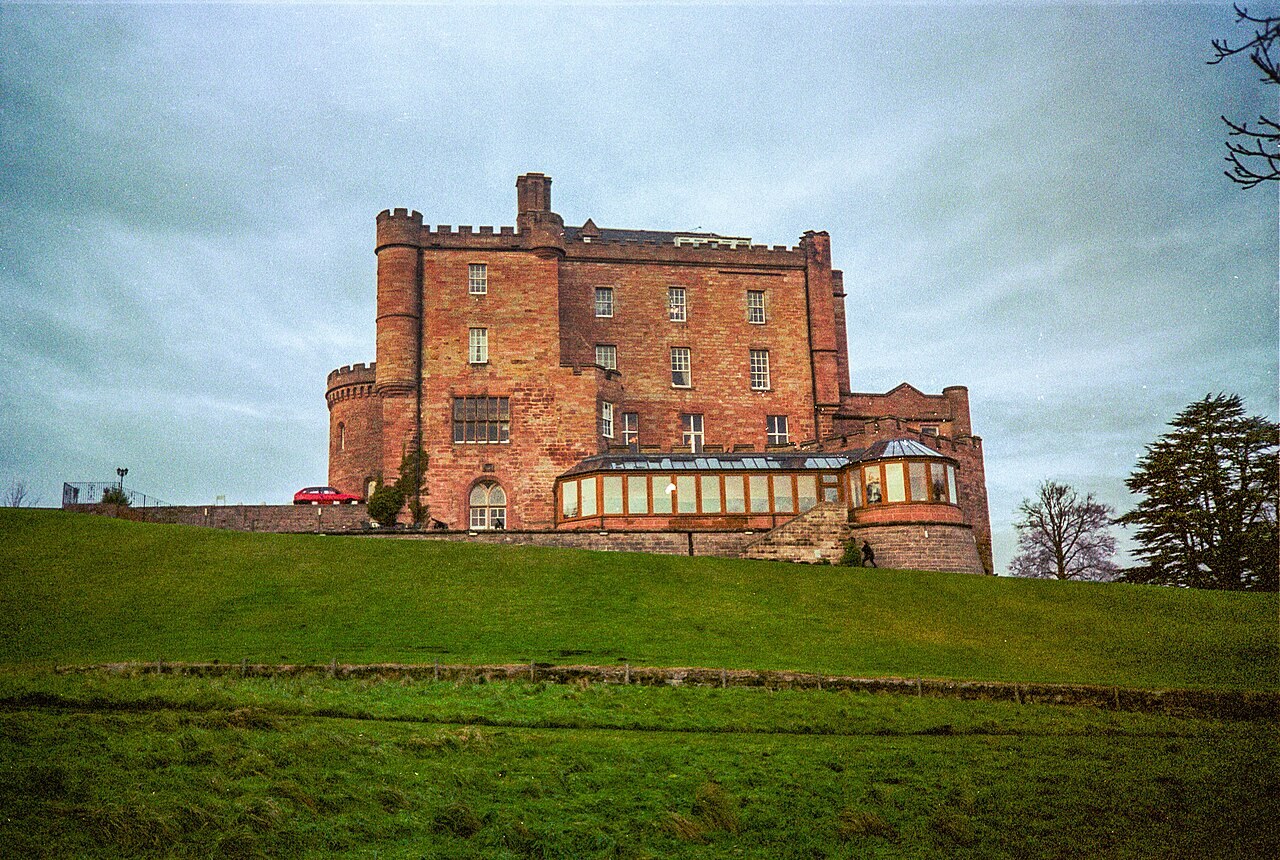
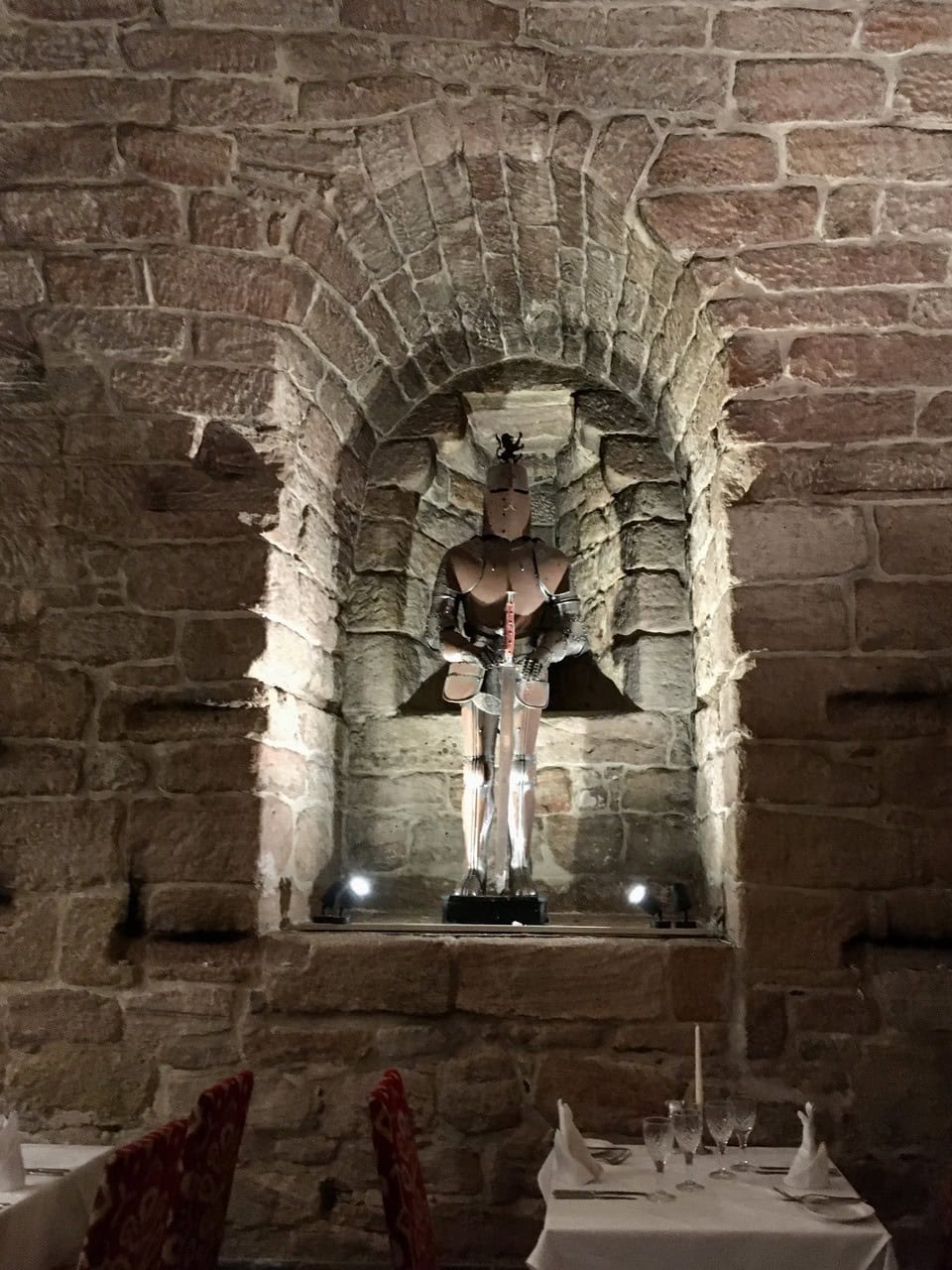
Dalhousie Castle, near Bonnyrigg, is the real thing: an altered L-plan tower house set inside a 13th-century courtyard with corner towers, and a moat that still shows the sockets where the drawbridge once seated. Ancestral seat of Clan Ramsay from the 1200s, it became a hotel in 1972 and keeps its below-ground dungeon as the setting for its candlelit restaurant, a genuine old space, not a themed one. Thirty-five bedrooms, falconry and archery on the estate, and weddings for up to a hundred. Non-residents can dine, but there is no lift and no step-free castle bedroom, so ask about the ground-floor rooms in the grounds if that matters.
Check current rates and availability for Dalhousie Castle on Booking.com.
Melville Castle, a few minutes on at Lasswade, is not medieval, and it is more interesting once you know that. James Playfair designed it between 1786 and 1791 for Henry Dundas, the first Viscount Melville and the most powerful Scottish politician of his day. What you get is a Category A Georgian mansion in full Gothic-Revival dress, all turrets and bartizans, but built for comfort rather than defense. Thirty-three individually styled rooms, many with four-posters, plus a dog-friendly dining room and a “doggy afternoon tea” if you travel with a spaniel. Weddings run to 160 with the marquee. It is a short drive to Eskbank station and roughly twenty minutes back into Edinburgh.
Check current rates and availability for Melville Castle on Booking.com.
Crossbasket Castle, above the River Calder near Glasgow, needs one honest caveat. The historic building is a tower house of the 15th or early 16th century, grafted onto a Victorian mansion, rescued off Scotland’s Buildings at Risk Register and restored over five years to 2016. Only nine bedrooms sit inside that castle, though, with a separate 40-bed estate hotel that opened in 2025. Book a castle room if the castle is the point. Charles Macintosh, who gave his name to the raincoat, owned the place from 1818. Weddings in the grand hall reach 250, and afternoon tea in the castle is open to non-residents. Blantyre station is two miles off, twenty minutes from Glasgow Central.
Check current rates and availability for Crossbasket Castle on Booking.com.
The Highlands: Inverlochy, Dornoch and Tulloch
Three very different Highland castles, all within about an hour and a quarter of Inverness.
Inverlochy Castle Hotel, at the foot of Ben Nevis near Fort William, wears a name that belongs to someone else. The five-star hotel is an 1863 Scots Baronial mansion, built for the third Baron Abinger; the medieval Old Inverlochy Castle it borrows the name from is a ruin about two miles away, and you do not stay in it. What you do get is the house where Queen Victoria spent a week in 1873 and wrote that she “never saw a lovelier or more romantic spot.” Seventeen rooms in the main house and eight more in the walled garden, a restaurant open to non-residents, and pet-friendly rooms. Published rates start around £235 for a low-season single; expect considerably more in summer.
Check current rates and availability for Inverlochy Castle Hotel on Booking.com.
Dornoch Castle Hotel is the genuine article in this trio. Its older wings began as the Bishop’s Palace of Dornoch, with fabric spanning the 15th to 17th centuries, and it stands directly opposite the 13th-century cathedral in the middle of town. Twenty-one rooms, nine of them inside the old castle. What sets it apart is liquid: its whisky bar is ranked among the best in the world, with well over 300 bottlings, and since 2016 the hotel has run its own Dornoch Distillery on site. The garden restaurant, walled by original 15th-century stone, is open to non-residents, and the North Coast 500 runs right past the door.
Check current rates and availability for Dornoch Castle Hotel on Booking.com.
Tulloch Castle Hotel, above Dingwall, has a medieval core but wears mostly 19th- and 20th-century Baronial stone, including a 1920s rebuild by Sir Robert Lorimer; treat the “12th-century castle” billing as origin, not as the walls you see. Twenty-two rooms, a 250-year-old paneled Great Hall that seats wedding parties of eighty, and the best rail access of the three, with Dingwall station a fifteen-minute walk. It also comes with a resident ghost, the Green Lady, whose portrait hangs in the hall and whose name the bar borrows. The castle served as a military hospital after Dunkirk before it became a hotel in 1996. For what a ghost claim rests on when a castle hotel prints one, our reference on haunted castles asks of nineteen buildings who wrote the ghost down, in what kind of document, and in what year.
Check current rates and availability for Tulloch Castle Hotel on Booking.com.
Argyll and Perthshire: Stonefield and Fonab
Two “Castle”-named Baronial houses, both Victorian, both honest about it.
Stonefield Castle Hotel stands in sixty acres of woodland garden on the Kintyre shore of Loch Fyne, two miles from Tarbert. It was built in 1837 as a Scots Baronial mansion, and its gardens are locally famous for their rhododendrons. Thirty-eight rooms, a restaurant with loch views, and a dog-friendly welcome. There is no railway on Kintyre, so this is a drive, roughly three hours from Glasgow on the A83, which is part of why the loch feels as quiet as it does.
Check current rates and availability for Stonefield Castle Hotel on Booking.com.
Fonab Castle Hotel, on the edge of Pitlochry above Loch Faskally, is the most rail-friendly castle stay in this guide: Pitlochry station, with direct trains from Edinburgh, Glasgow and Inverness, sits about a mile away. Built in 1892 for Colonel George Glas Sandeman of the port-and-sherry family, it stood derelict from 1971 until a full restoration reopened it as a five-star hotel in 2013, the original castle now joined by a modern wing and grounds lodges. Forty-two rooms, a woodland spa, and lochside dining. Book a castle room or a grounds lodge depending on the mood.
Check current rates and availability for Fonab Castle Hotel on Booking.com.
The Borders and the North-East: Barony and Meldrum
Two castles at opposite ends of the country, each with a genuine medieval heart.
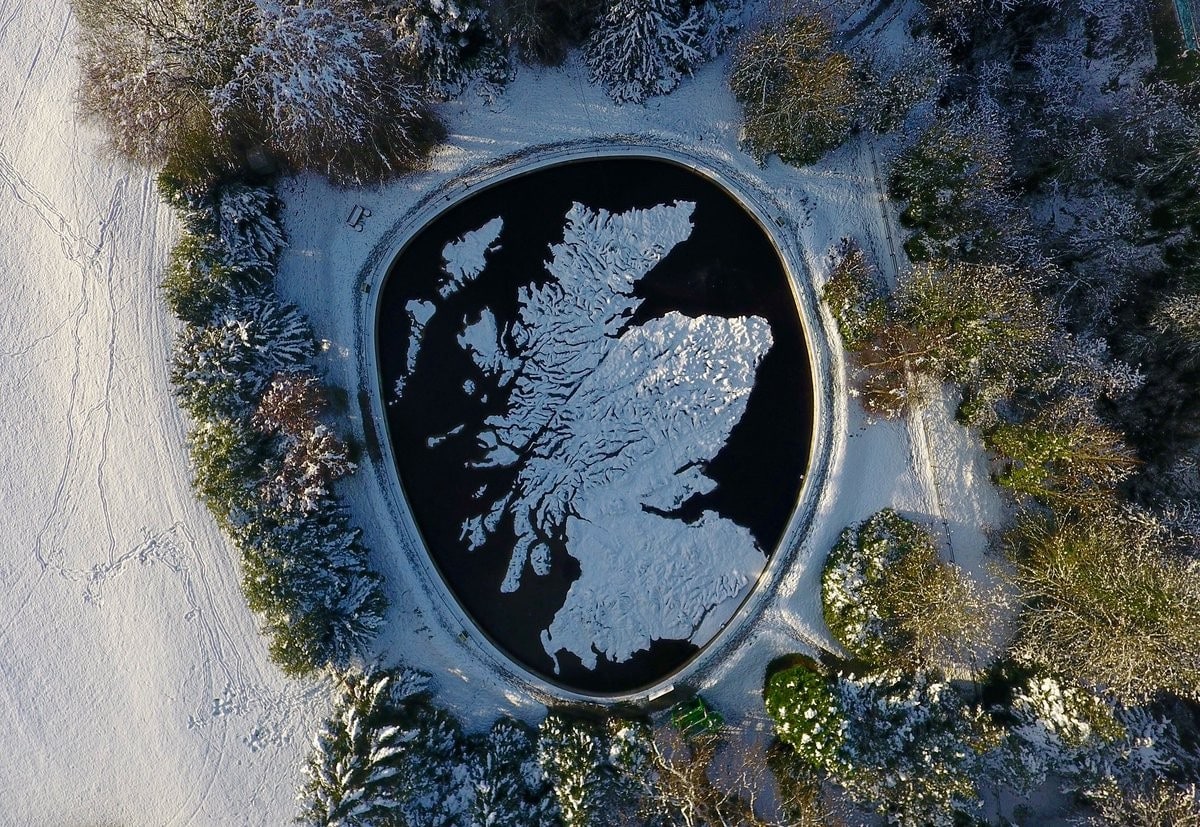
Barony Castle Hotel, at Eddleston near Peebles, is a real one: a peel tower at its core, the sort of fortified house that once studded the Borders against reivers, with a French Jacobean facade the Murrays of Blackbarony added between 1700 and 1715. Its oddest treasure sits outside. In the grounds lies the Great Polish Map of Scotland, a vast concrete relief model built over six summers from 1974, a legacy of the castle’s role as a Polish army base and staff college in the Second World War. Eighty-two rooms, a spa, weddings to 250, and free parking; Gorebridge station is about a thirty-minute drive.
Check current rates and availability for Barony Castle Hotel on Booking.com.
Meldrum House, near Oldmeldrum in Aberdeenshire, carries “House” in its name but earns its place here on its heart: a 13th-century tower house whose barony was granted to Philip de Phendarg in 1236, still the core of the building. Archibald Simpson recast the house in Jacobean style from 1836, and a 1934 remodel gave it the L-shape it wears today. Fifty-one rooms across the manor and the restored Grade-A stables, a genuine 18-hole parkland golf course, and a vaulted Cave Bar pouring more than 120 whiskies, open to non-residents. Inverurie station is about five miles off, Aberdeen the main railhead to the south.
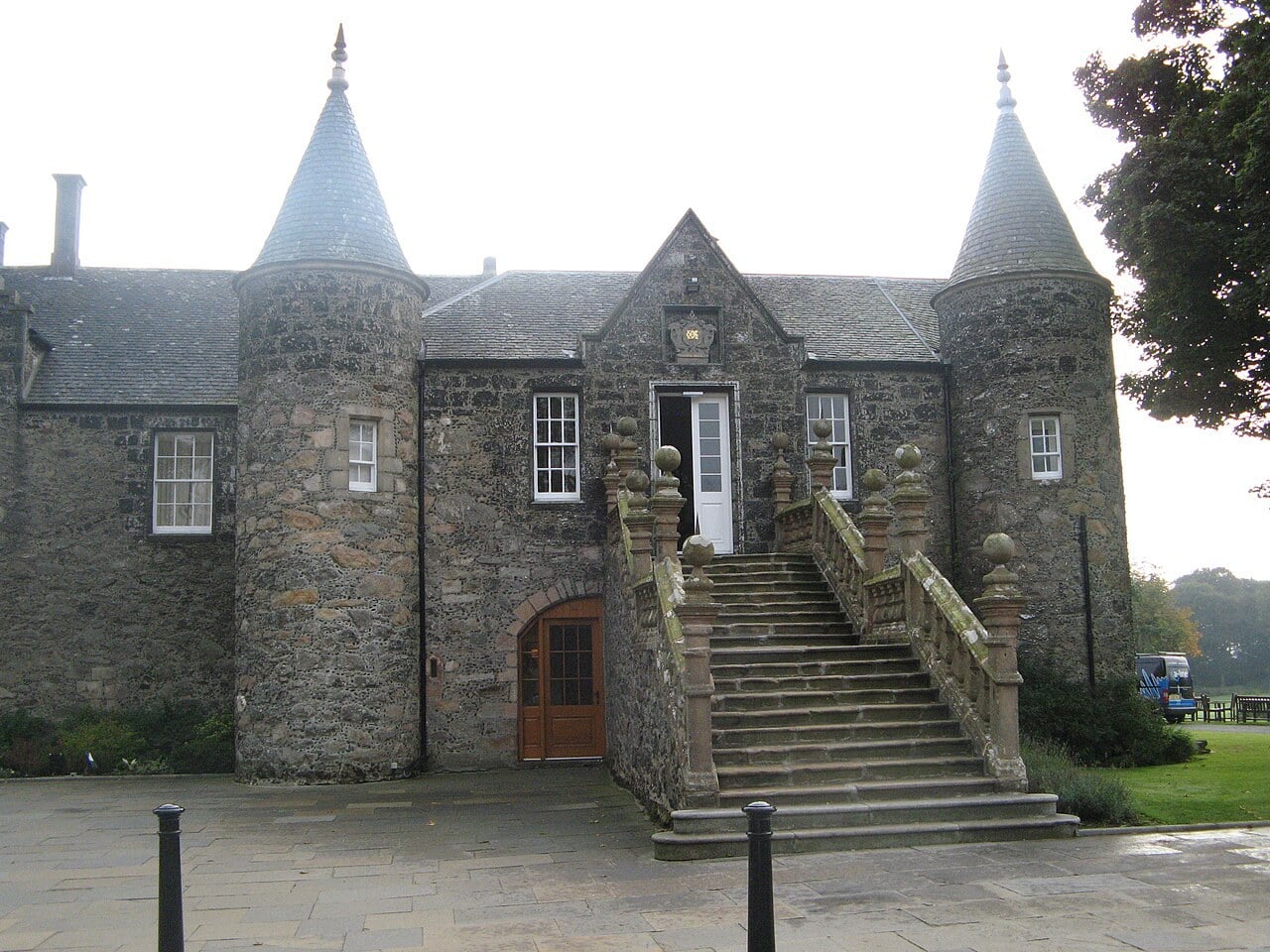
Check current rates and availability for Meldrum House on Booking.com.
Getting there and when to go
Scotland rewards a plan. The central-belt castles (Dalhousie, Melville, Crossbasket) are easy without a car, each a short hop from a station and a taxi. Fonab and Tulloch are the two you can reach cleanly by train into the Highlands, at Pitlochry and Dingwall. For the rest, from Stonefield on Kintyre to Barony in the Borders, Meldrum in Aberdeenshire, Inverlochy at Fort William and Dornoch up on the North Coast 500, hire a car and build the journey into the trip, because the roads there are half the reward. Flying in, Edinburgh and Glasgow airports serve the central belt, Argyll and Perthshire; Inverness is the gateway to the Highland trio and to Dornoch on the North Coast 500; Aberdeen is closest to Meldrum.
Late spring through early autumn gives you long northern light and open gardens, and it is also when rates and demand peak. For value and log fires, aim for the shoulder months. Winter suits the whisky-bar castles best; Dornoch and Meldrum were practically built for a dark afternoon and a dram. Whatever the season, book direct on rates through the links here, and confirm any specific room or access need with the hotel first, since these are old buildings and no two rooms are alike.
Castle weddings in Scotland
Every hotel in this guide hosts weddings, and several were effectively built for them: Crossbasket and Barony both seat 250, Melville reaches 160 with its marquee, and Dalhousie, Tulloch and Meldrum all run dedicated wedding suites. For couples who want a whole castle to themselves, whether an exclusive-use buyout or a genuine private-castle rental rather than a hotel booking, that is a category of its own, with its own economics, and a dedicated companion guide to Scotland’s whole-castle and exclusive-use stays is on the way.
Beyond the castle hotels
A castle you can sleep in is one way to meet Scotland’s fortresses; the great public castles are another, and the two make a natural trip. If you are basing yourself near the capital, pair a night at Dalhousie or Melville with a day at Edinburgh Castle, the rock-top stronghold at the head of the Royal Mile. Heading north through Stirlingshire, Stirling Castle is the Renaissance showpiece of the Stewart kings, an easy detour on the way to Fonab or the Highlands. Further north again, Dunrobin Castle is the day-visit version of the same architecture, a Baronial great house that offers no accommodation of its own. And no castle in Scotland is more photographed than Eilean Donan Castle on its island in Loch Duich, a fitting stop if the Dornoch or Fort William legs draw you to the west. Read our full guide to the castles of Scotland for the history of these strongholds; use this one for the bed.
Principal Sources
- Dalhousie Castle. “History.” dalhousiecastle.co.uk.
- Melville Castle; Historic Environment Scotland / trove.scot record for Melville Castle.
- Crossbasket Castle. “History” and “Stay.” crossbasketcastle.com.
- Inverlochy Castle Hotel. “Rooms & Tariff” and “Find Us.” inverlochycastlehotel.com.
- Dornoch Castle Hotel. “Drink” and “Stay.” dornochcastlehotel.com.
- Tulloch Castle Hotel (Bespoke Hotels). bespokehotels.com/tullochcastlehotel.
- Stonefield Castle Hotel. stonefieldcastlehotel.co.uk.
- Fonab Castle Hotel (Crerar Hotels). crerarhotels.com/collection/fonab-castle.
- Barony Castle Hotel. “The History of Barony Castle.” baronycastle.com.
- Meldrum House. “History.” meldrumhouse.com.
- VisitScotland and ScotRail for regional rail and route context.
Image credits. Hero and Barony Castle Hotel: Ian Greig, CC BY-SA 2.0, via Geograph; Great Polish Map at Barony Castle: Craig Allardyce, CC BY-SA 2.0, via Geograph; Dalhousie Castle: Peter McDermott, CC BY-SA 2.0, via Geograph; Dalhousie Castle Dungeon Restaurant: LornaMCampbell, CC BY-SA 4.0, via Wikimedia Commons; Melville Castle: Shani Evenstein, CC BY-SA 4.0, via Wikimedia Commons; Crossbasket Castle: Crowsus, CC BY-SA 4.0, via Wikimedia Commons; Inverlochy Castle Hotel: Bartolo Creations, CC BY-SA 2.0, via Geograph; Dornoch Castle Hotel: Chris Heaton, CC BY-SA 2.0, via Geograph; Tulloch Castle Hotel: Euan Nelson, CC BY-SA 2.0, via Geograph; Stonefield Castle Hotel: Johnny Durnan, CC BY-SA 2.0, via Geograph; Fonab Castle Hotel: N Chadwick, CC BY-SA 2.0, via Geograph; Meldrum House: Sagaciousphil, CC BY-SA 3.0, via Wikimedia Commons. Freely licensed images are resized to fit; otherwise unaltered.