
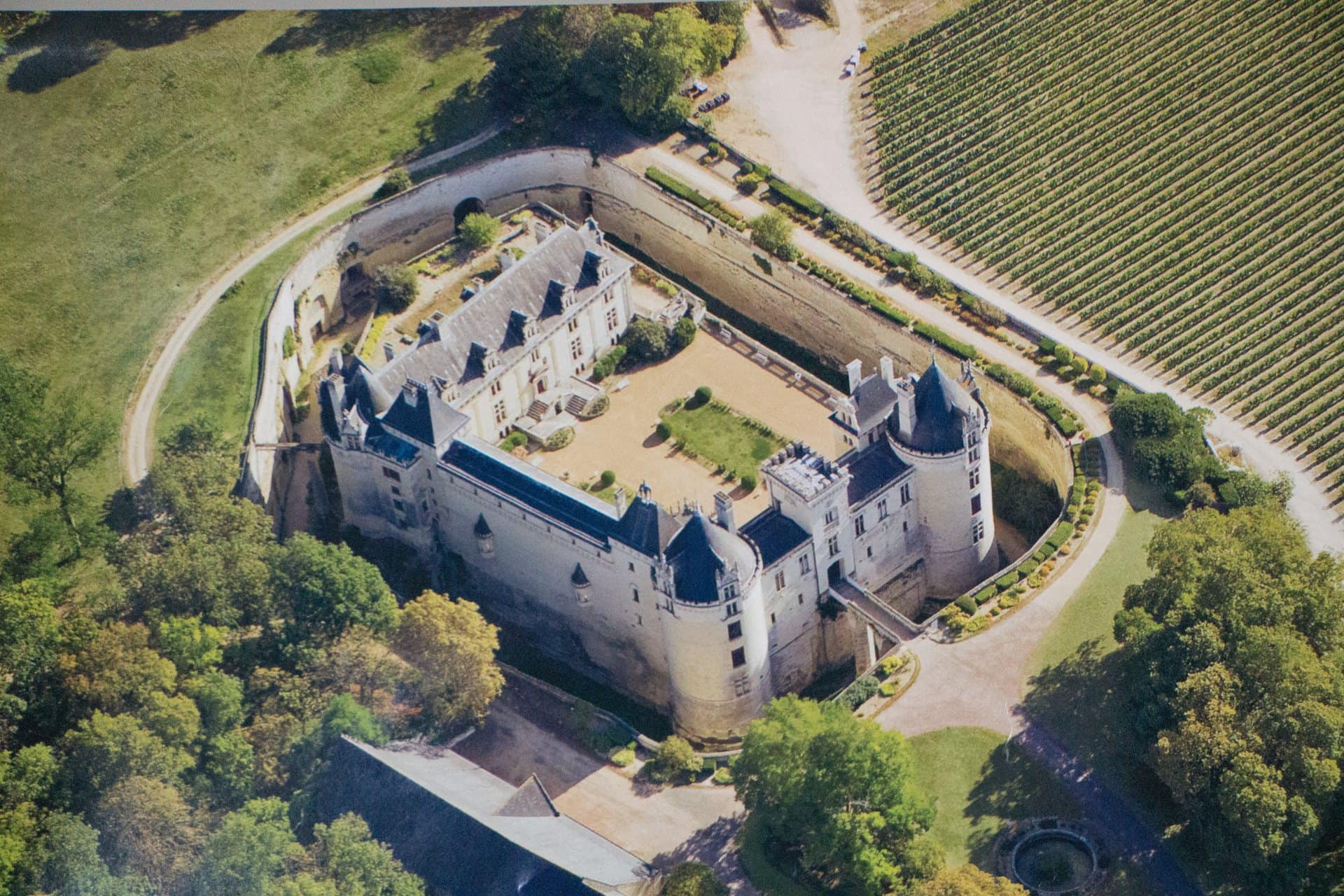
Château de Brézé
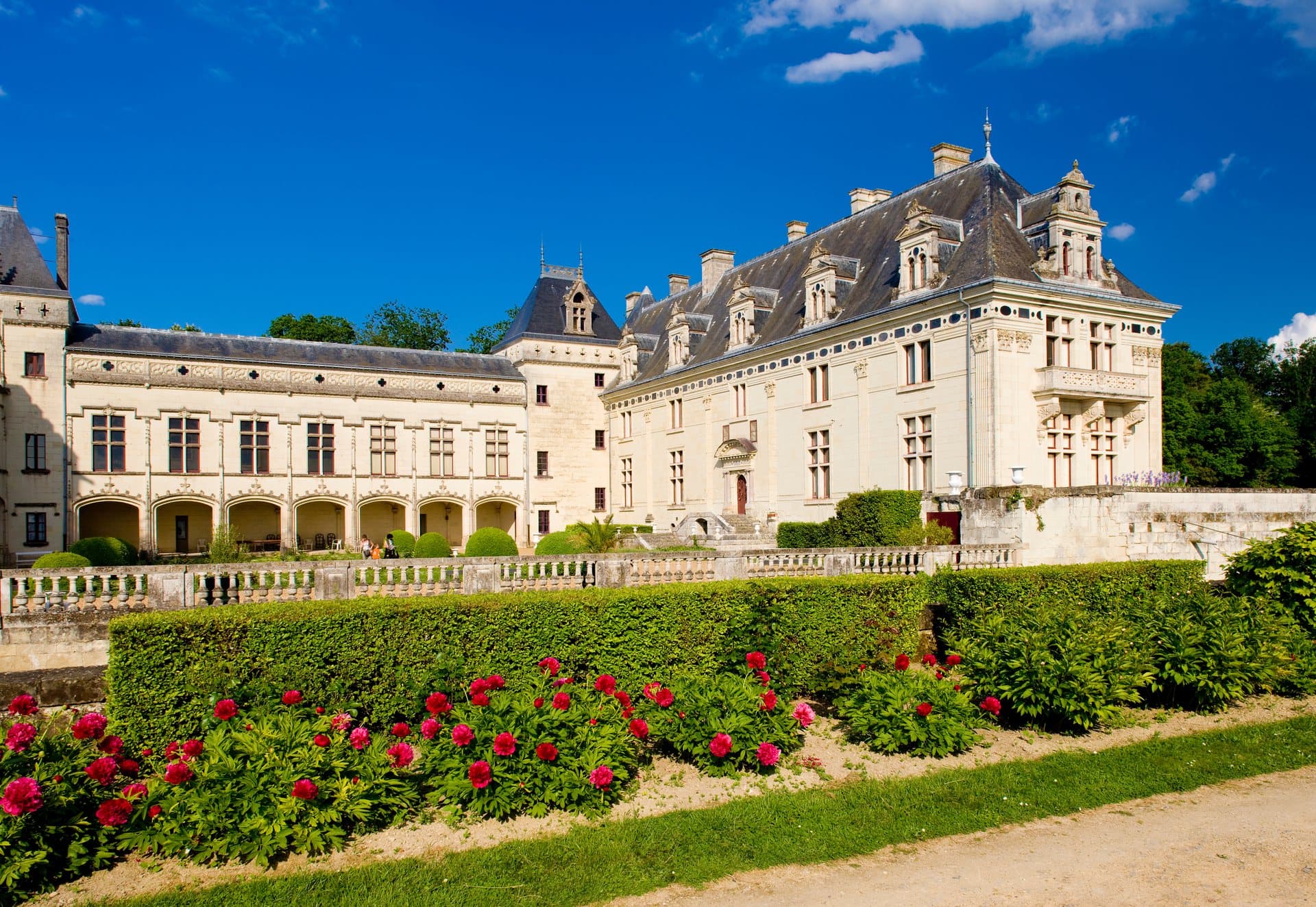
Château de Brézé is two castles in one, and the more astonishing of the two is the one you cannot see from the road. Above ground stands a graceful white château of tuffeau limestone, its Renaissance core wrapped in the fanciful turrets and crocketed gables of a nineteenth-century remaking. Walk to the edge of the courtyard, though, and the ground falls away into a dry moat deep enough to swallow a six-story building, and cut into its walls are the doors and windows of a second castle carved straight into the rock. Beneath the visible house runs a warren of galleries, a bakery, a stable, a guardroom with gun-ports, and an underground drawbridge, several kilometers of rooms and passages where the lords of Brézé could live, work, and withstand a siege without ever climbing into daylight. Ten kilometers south of Saumur, in the vineyards of Anjou, it is the strangest of the Loire châteaux and one of the few where the cellar is the reason to come.
Quick Facts
| Location | Brézé, Maine-et-Loire (Bellevigne-les-Châteaux), Pays de la Loire, France |
| Setting | The Saumurois plateau, about 10 km south of Saumur, amid its own vineyard |
| Built | Medieval origins (site attested 1063); Renaissance logis from 1560; neo-Gothic remodel from the 1850s |
| Signature | One of the deepest dry moats in Europe and a multi-level troglodyte fortress below the château |
| Families | Maillé-Brézé, the Grand Condé, Dreux-Brézé; Colbert family since 1959 |
| Today | Private château and vineyard open to visitors; more than 100,000 a year |
| Protection | Monument historique (classé 1979) |
| Official website | chateaudebreze.com |
A Renaissance Château on Medieval Roots
A castle has stood on this spot for a thousand years. A charter of the Abbey of Saint-Florent records a lord of Brézé as early as 1063, and the first families held a plain fortified site on the edge of the limestone plateau. In 1448 Gilles de Maillé-Brézé won permission from René of Anjou, the poet-king who ruled the region, to refortify his lands, and it was under his house that the medieval stronghold began its long turn toward a country palace.
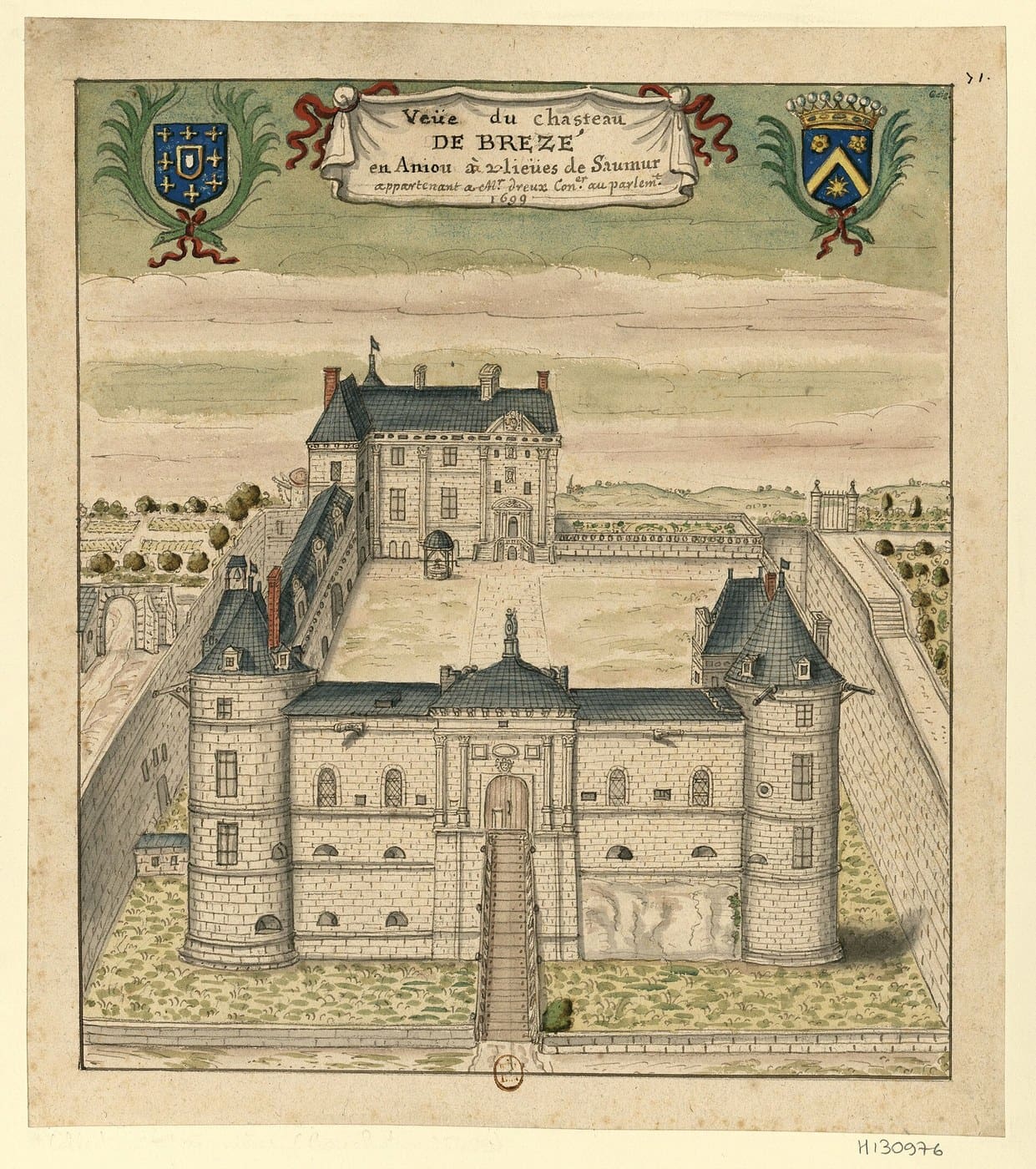
The transformation that gave Brézé its Renaissance face came a century later. From 1560 Arthus de Maillé-Brézé pulled down much of the old castle and raised in its place an elegant U-shaped residence in the new Italian manner, with mullioned windows, carved dormers, and the pale dressed tuffeau that the Loire builders loved. Work continued for some two decades. During the 1560s Arthus was grand enough to receive the young Charles IX and his mother, Catherine de’ Medici, at Brézé, a royal visit that fixed the family among the notables of Anjou. In 1615 Louis XIII raised the estate to a marquisate for Arthus’s descendant Urbain de Maillé-Brézé, and Brézé entered its most brilliant century.
The Deepest Dry Moat in France
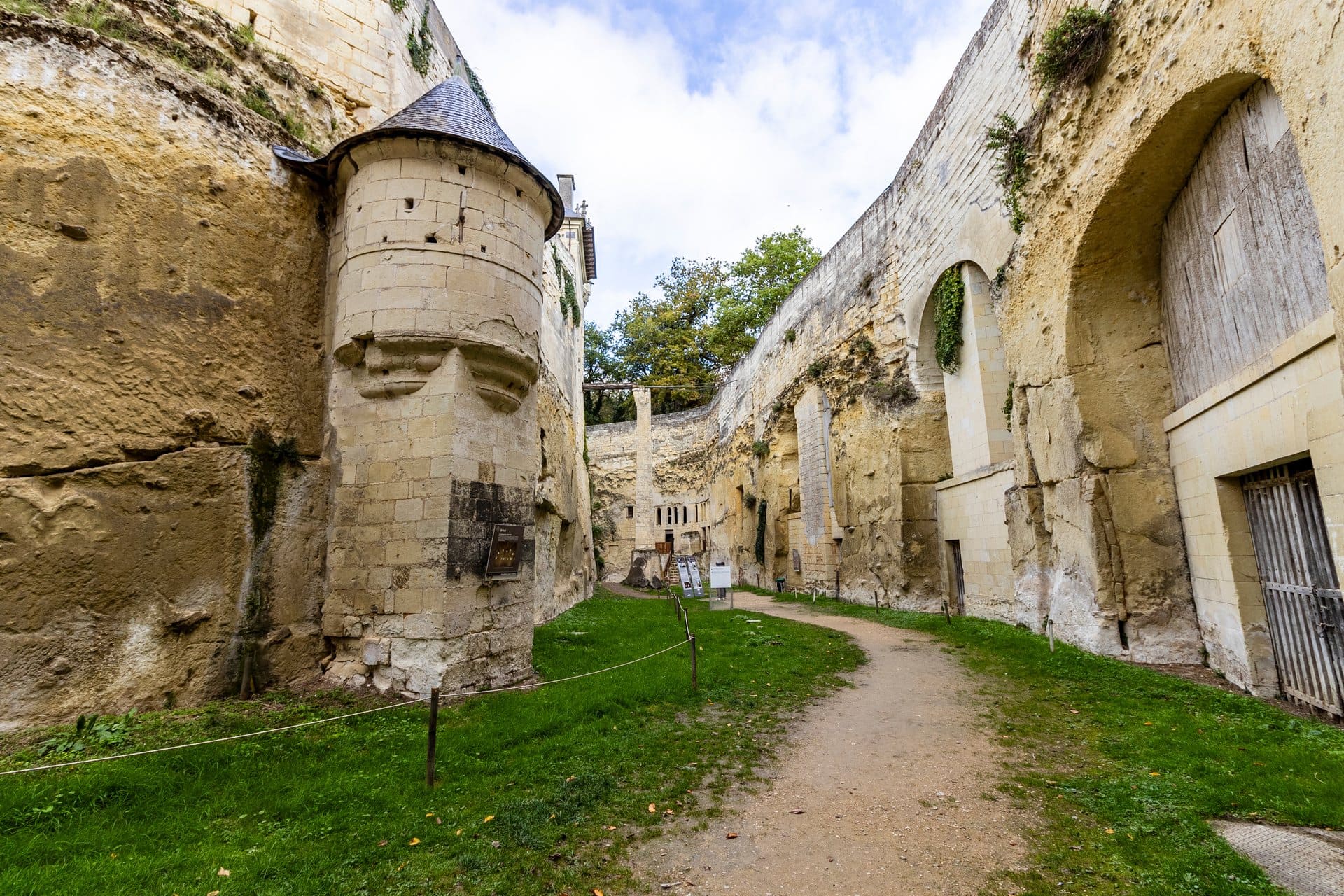
Nothing prepares a visitor for the moat. Where most Loire châteaux float on water or sit open to their gardens, Brézé stands inside a chasm of its own making, a dry ditch quarried straight down into the rock to a depth of about eighteen meters. The château’s own guides call it the deepest dry moat in Europe, and whether or not the superlative holds across the continent, it is a genuinely vertiginous piece of engineering. The first ditches of 1448 went down only ten or twelve meters; it was Arthus de Maillé-Brézé’s sixteenth-century campaign that drove them to their present depth, turning a defensive necessity into something close to theater.
Standing at the bottom, a visitor looks up at the pale walls of the logis rising sheer from the rock, and across at the openings of the underground castle set into the opposite face. A round tower drops its full height into the ditch, and troglodyte windows and firing slots stare out of the moat walls. The moat did more than defend. It gave the builders a quarry, a sheltered work-yard, and light and air for the rooms cut behind its faces, and it is the hinge between the two castles of Brézé, the visible and the buried.
The Fortress Beneath the Castle
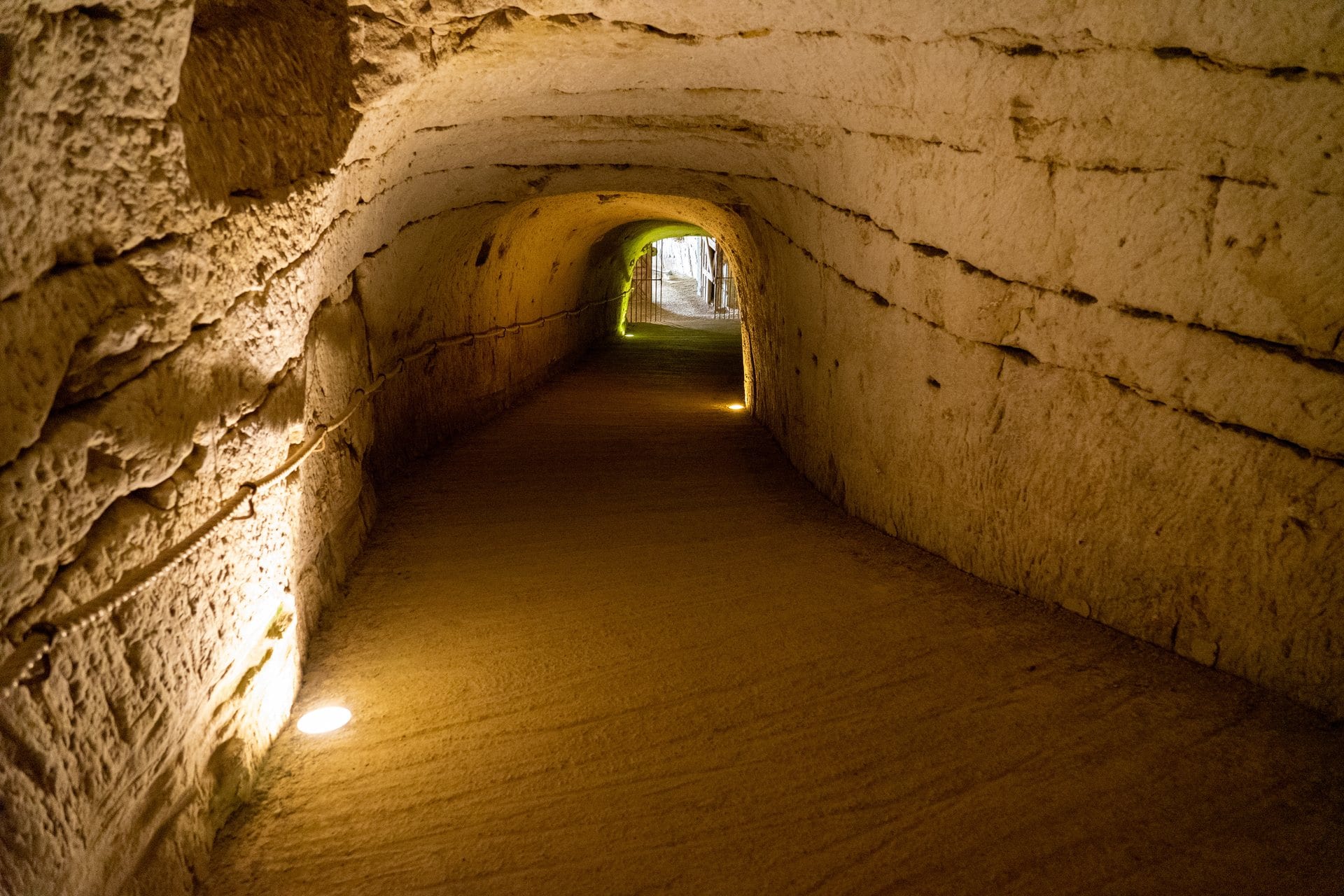
Behind the moat walls, and below the courtyard, lies the reason Brézé is unlike any other château on the Loire. Cut into the soft tuffeau over centuries is a subterranean world of several kilometers of galleries, of which more than a kilometer is open to visitors today. This was not a cellar in the ordinary sense but a self-contained fortress and household, designed so that its occupants could shut themselves underground and hold out for weeks.
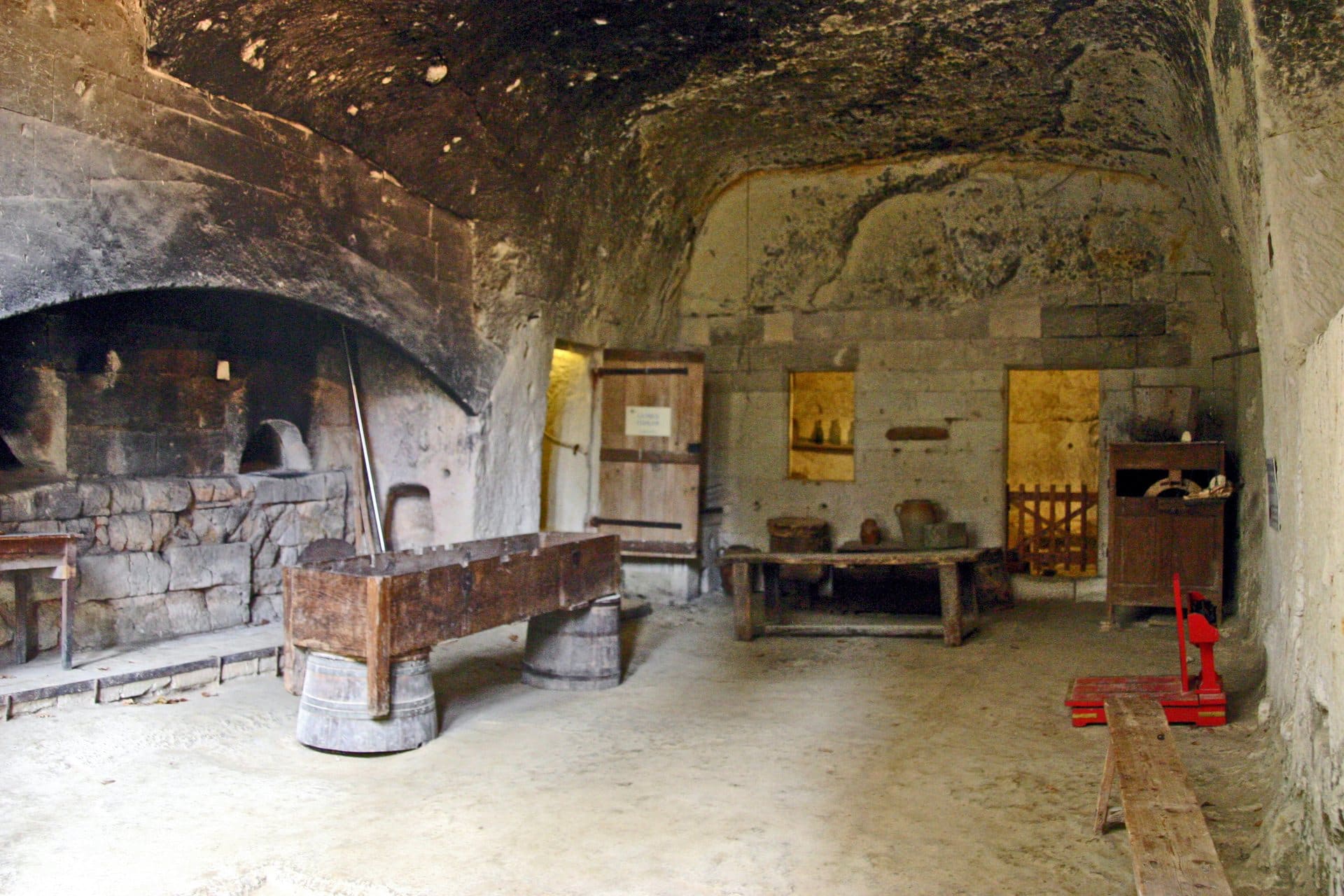
A visitor descends past a guardroom pierced with gun-ports and gun emplacements, then along broad galleries that once carried carts of quarried stone up to the building sites above. Off them open the working rooms of a castle that ran on its own: an underground stable for the garrison’s horses, deep silos for grain, a vast troglodyte bakery counted among the largest in France, and store after store cut cool and dry into the rock. An underground drawbridge and a Renaissance spiral stair connect the levels. Together with the guardroom’s gun-ports, the drawbridge let the garrison defend the galleries themselves and fall back below ground to hold out. A chamber below the clock tower served as a prison. Where the château above is all light and carved stone, the fortress below is raw rock, lamplit and silent, and walking it is the closest thing the Loire offers to stepping inside the hillside itself.
Wine in the Rock
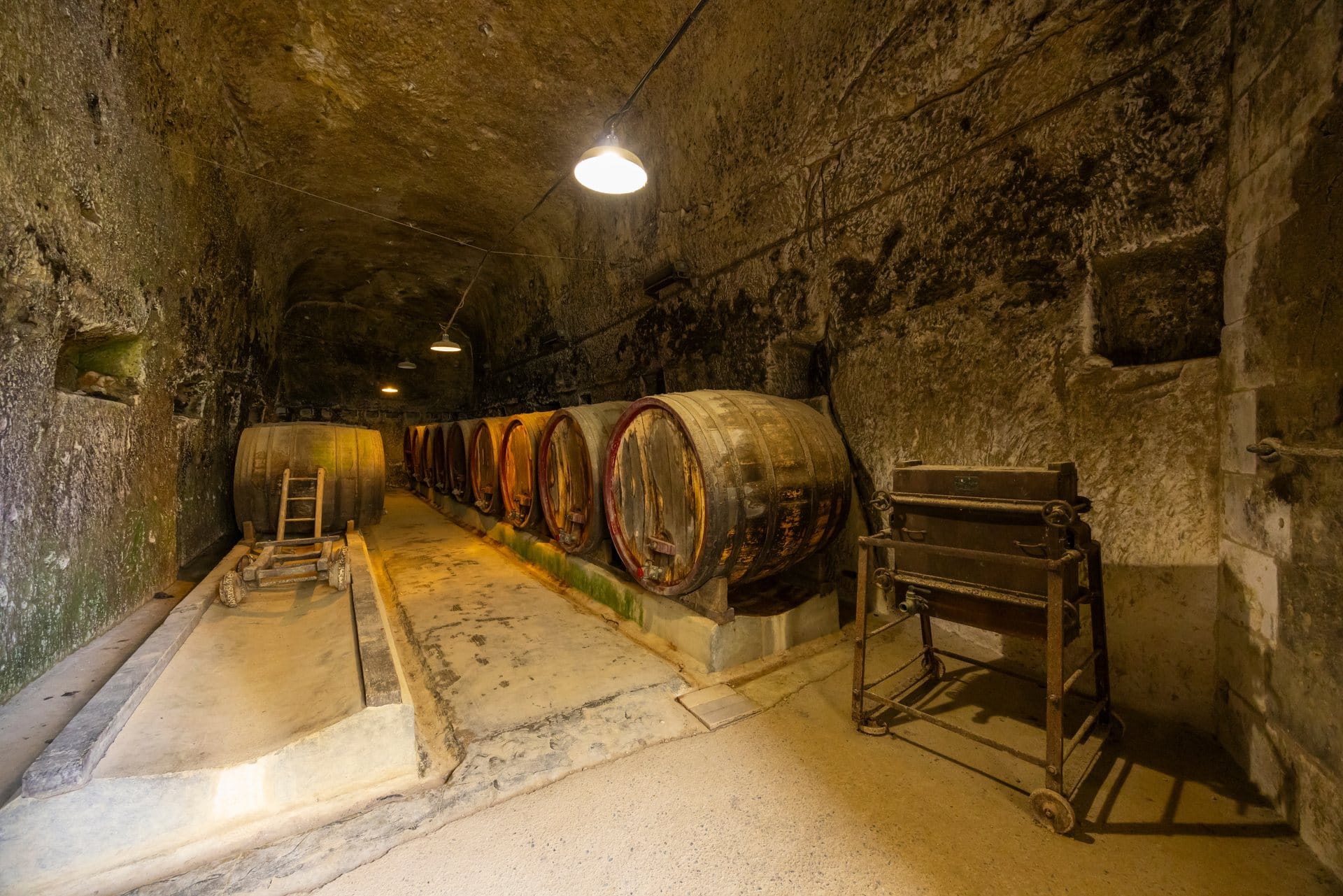
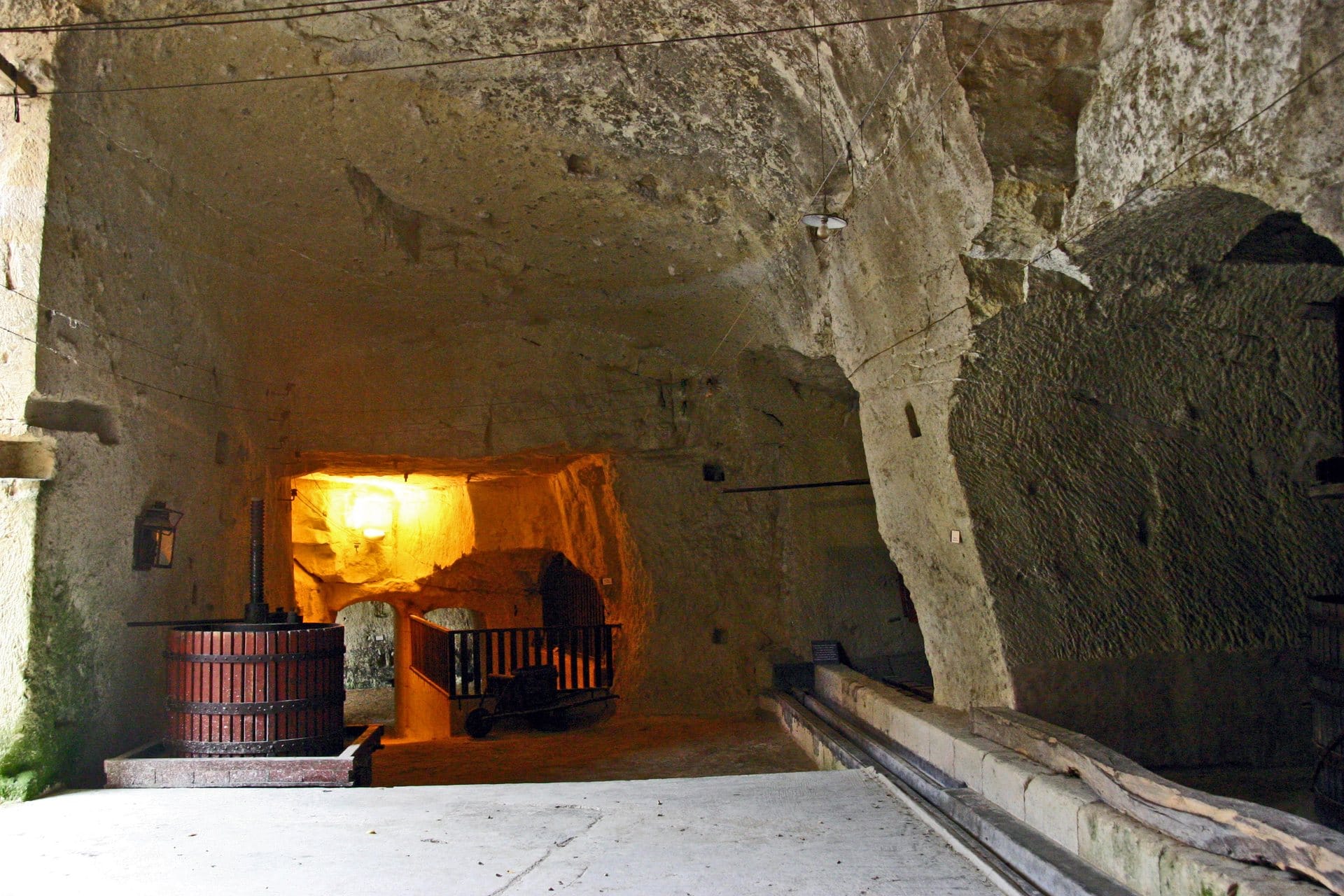
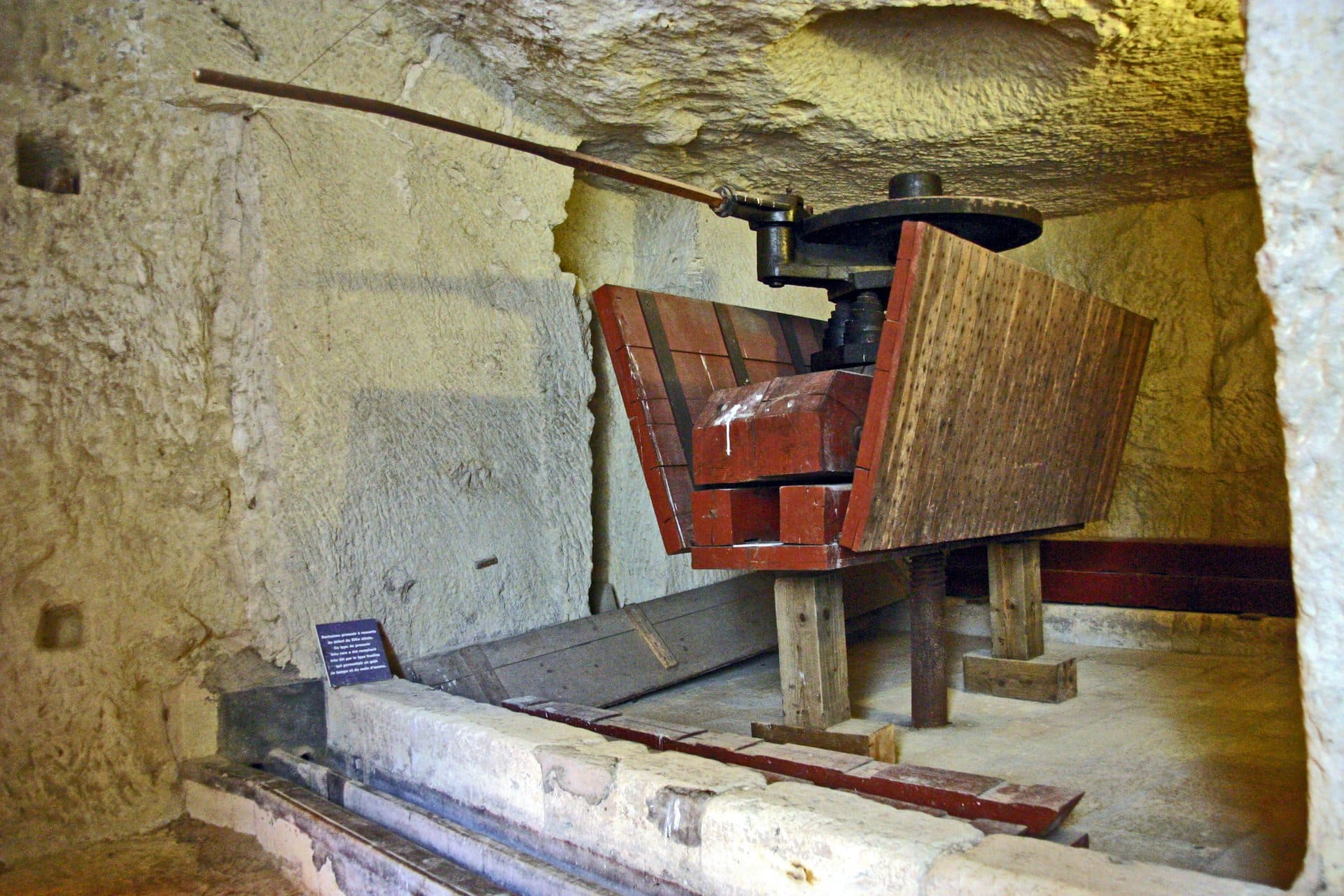
Not all of the underground was built for war. The same cool galleries that sheltered a garrison were, for centuries, a working wine estate, and they still are. One long chamber holds the great presses, the pressoirs, and beyond it the barrel hall keeps its rank of oval foudres in the dark. A separate seventeenth-century magnanerie, a nursery for silkworms, shows how the rock was turned to every use the season allowed. The soft stone holds a steady temperature year-round, which is exactly what a cellar wants.
Brézé sits within the vineyards of Saumur, and the estate is farmed today by the Vignobles de Colbert, the family that has owned the château since 1959. Its working vineyard yields white wine from Chenin Blanc and reds from Cabernet Franc under the Saumur and Saumur-Champigny appellations, along with the sparkling Crémant de Loire. The wines of Brézé carry an old reputation. Tradition holds that they were prized at the court of King René and praised by the Renaissance poet Joachim du Bellay, and a visit today usually ends where the estate’s own bottles are poured, a few steps from the cellars that made them.
Marshals, an Admiral, and a Princess
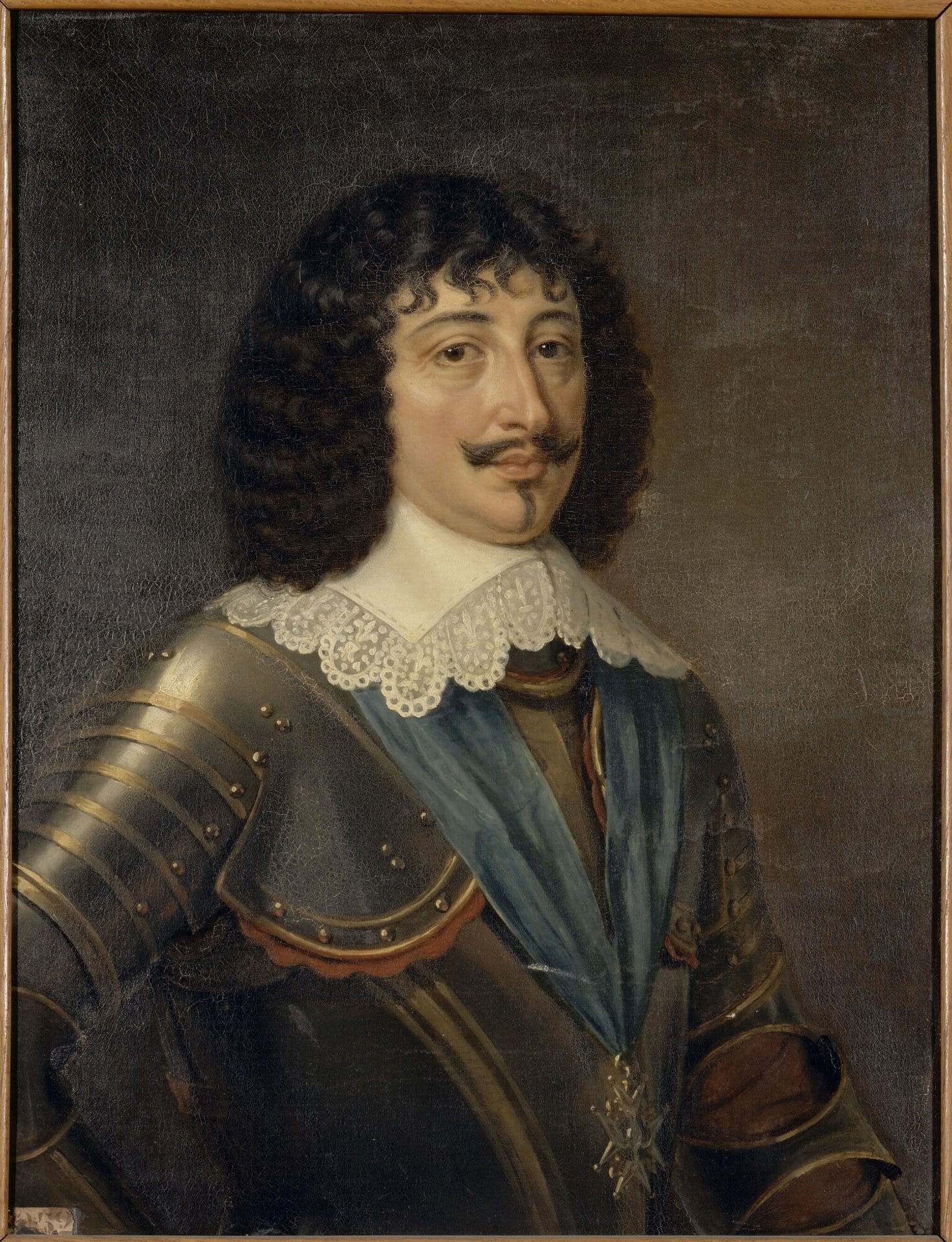
For one generation in the seventeenth century, Brézé stood very near the center of French power. Urbain de Maillé-Brézé, made a marquis in 1615, married Nicole du Plessis, the sister of the future Cardinal Richelieu, and rose in his brother-in-law’s shadow to become a Marshal of France in 1632. His son Jean Armand de Maillé-Brézé went to sea rather than court, was made grand-admiral of the French navy in his twenties, and was killed in action against the Spanish fleet off Orbetello in 1646, still short of thirty.
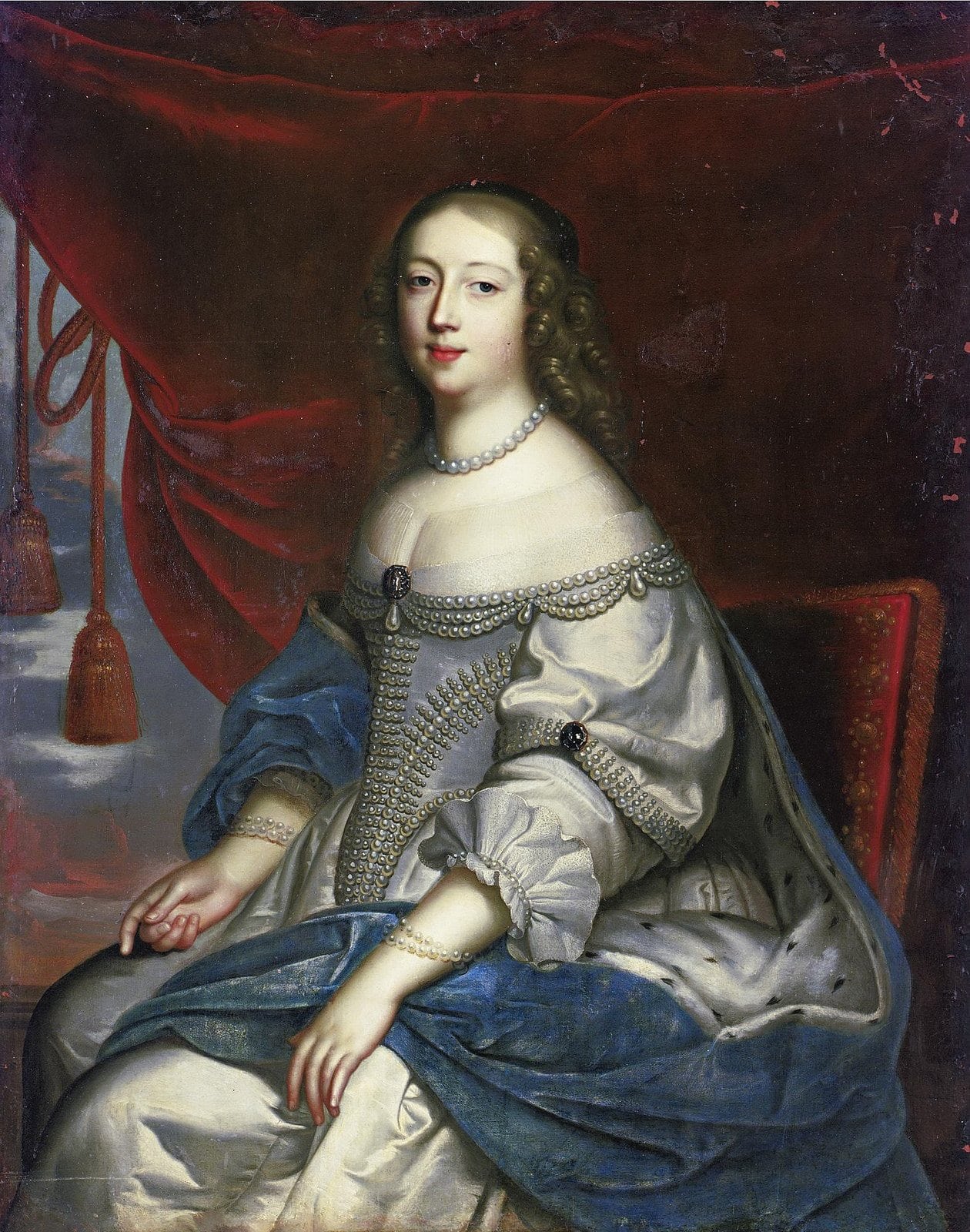
Urbain’s daughter carried Brézé higher still. In 1641 Claire-Clémence de Maillé-Brézé, Richelieu’s niece, was married at thirteen to Louis II de Bourbon, the prince who would win his battles as the Grand Condé and stand among the first men of the kingdom. On Urbain’s death in 1650 the marquisate of Brézé passed into the hands of the Condé, and for a generation the strange underground château in Anjou belonged to a prince of the blood. Condé held it until 1682, when he exchanged Brézé for lands in Brittany and the property passed to the Dreux family, who took the name Dreux-Brézé and would keep it for the next nearly three centuries.
The Ceremony Masters and the Neo-Gothic Remaking
The Dreux-Brézé were courtiers to their marrow. From 1701 the head of the family held, by inheritance, the office of Grand Master of Ceremonies to the kings of France, the man responsible for the ritual order of the court, a charge the house kept until 1830. It fell to Henri-Évrard de Dreux-Brézé, in that role, to play a small part in a very large moment: on 23 June 1789 he was sent to order the deputies of the Third Estate to disperse, and drew from Mirabeau the retort that the deputies sat there by the will of the people and would leave only at the point of bayonets. The episode belongs to the history of France rather than of the château, but it fixes the family’s place at the hinge of the old regime and the new.
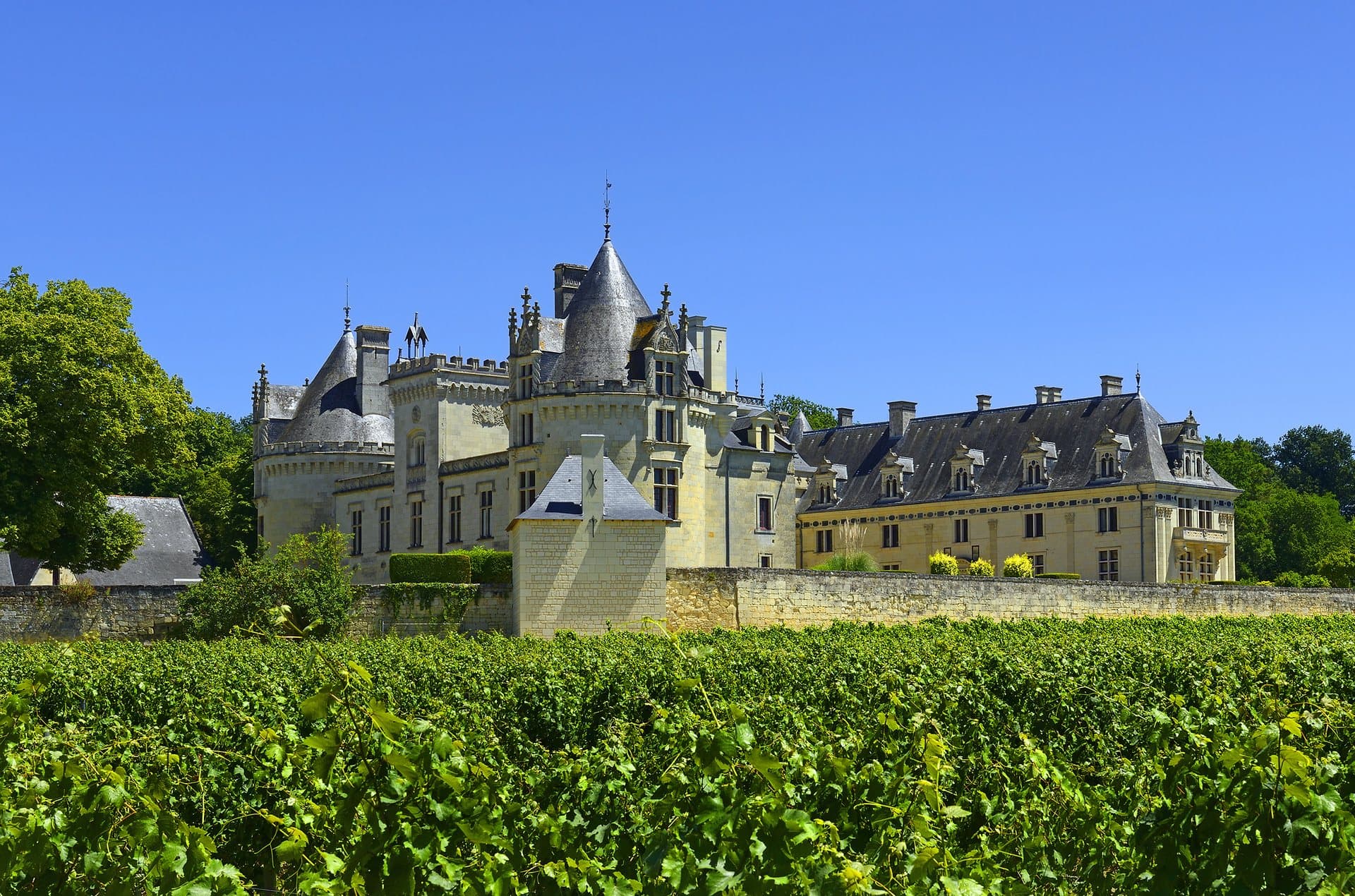
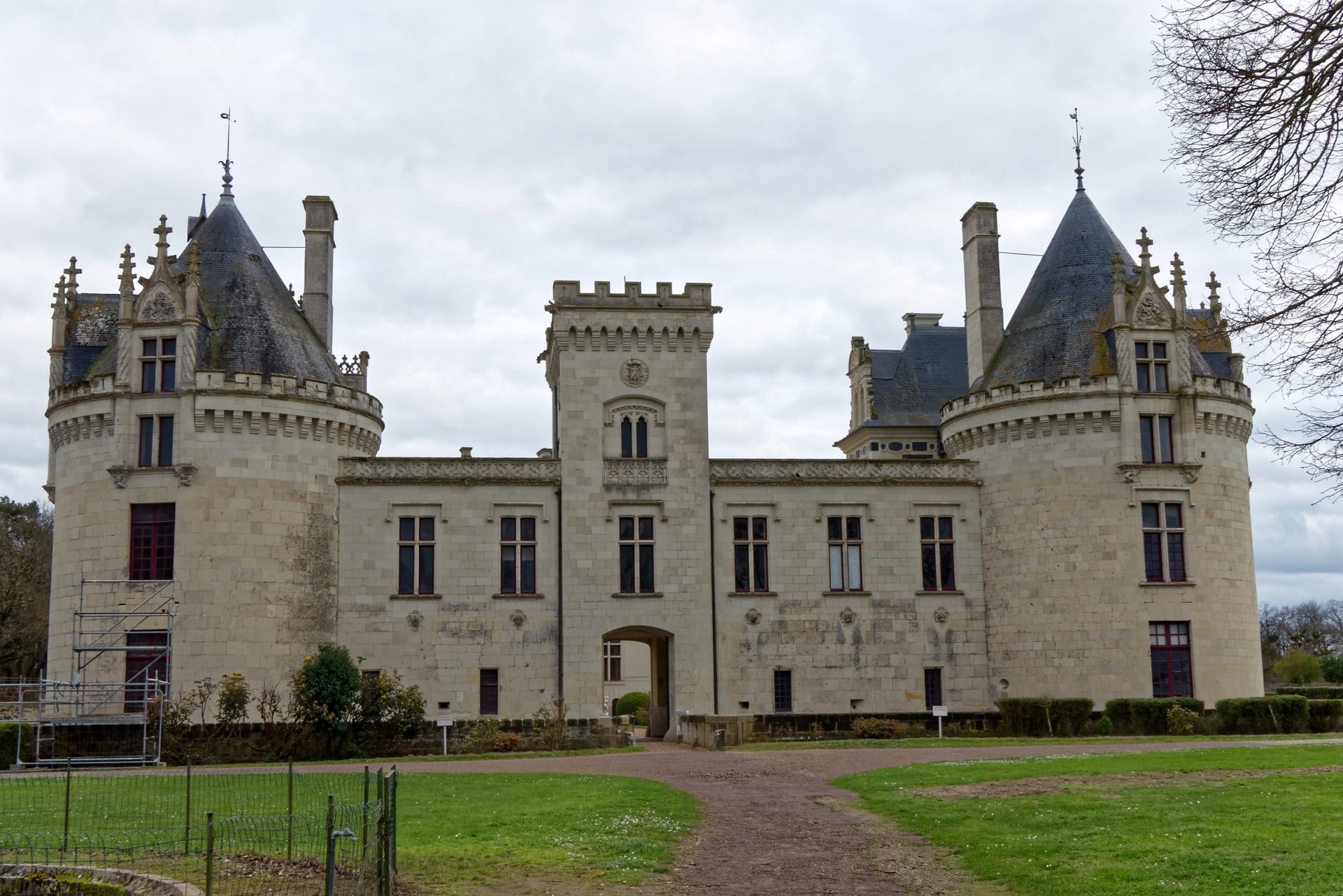
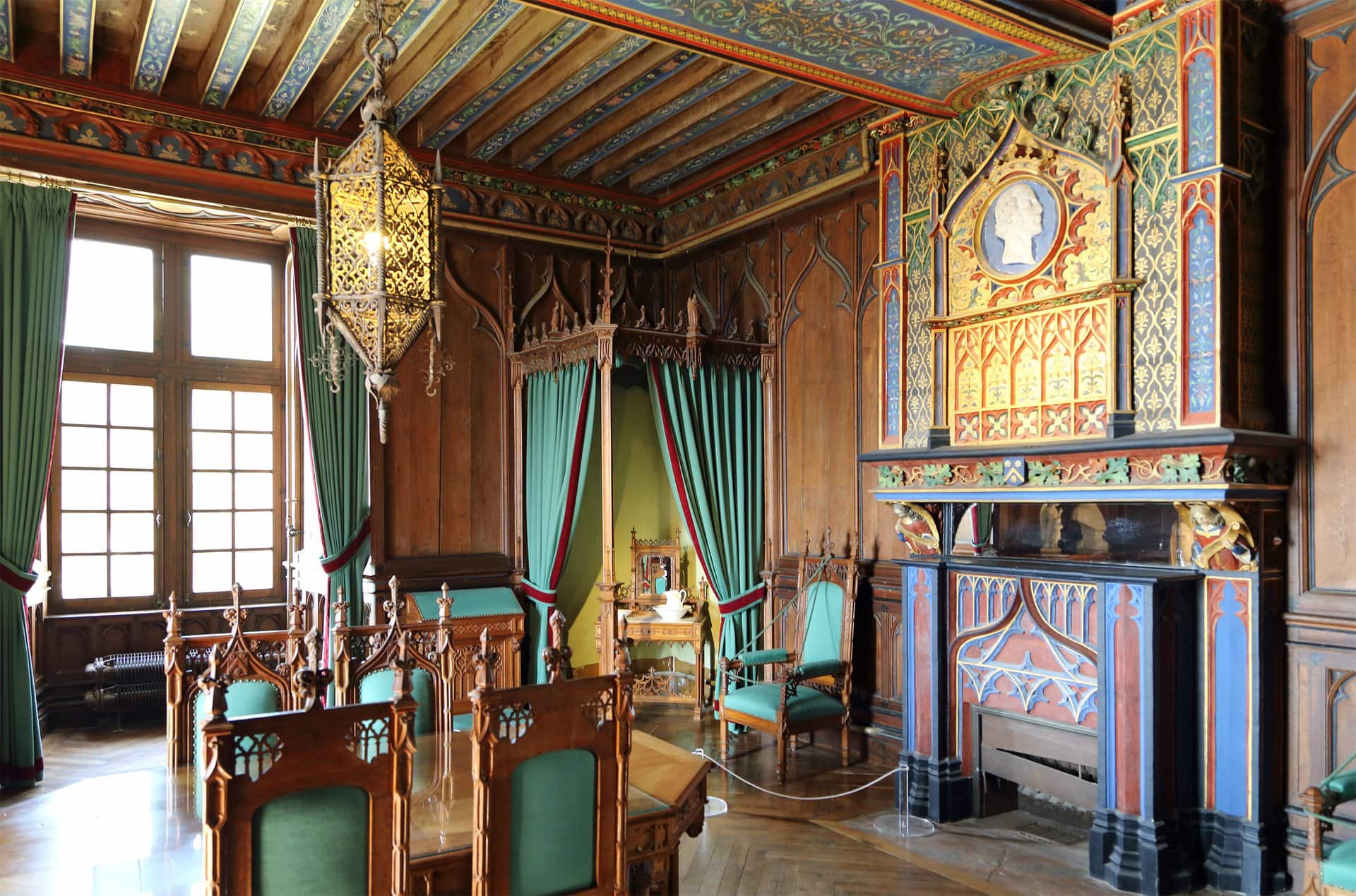
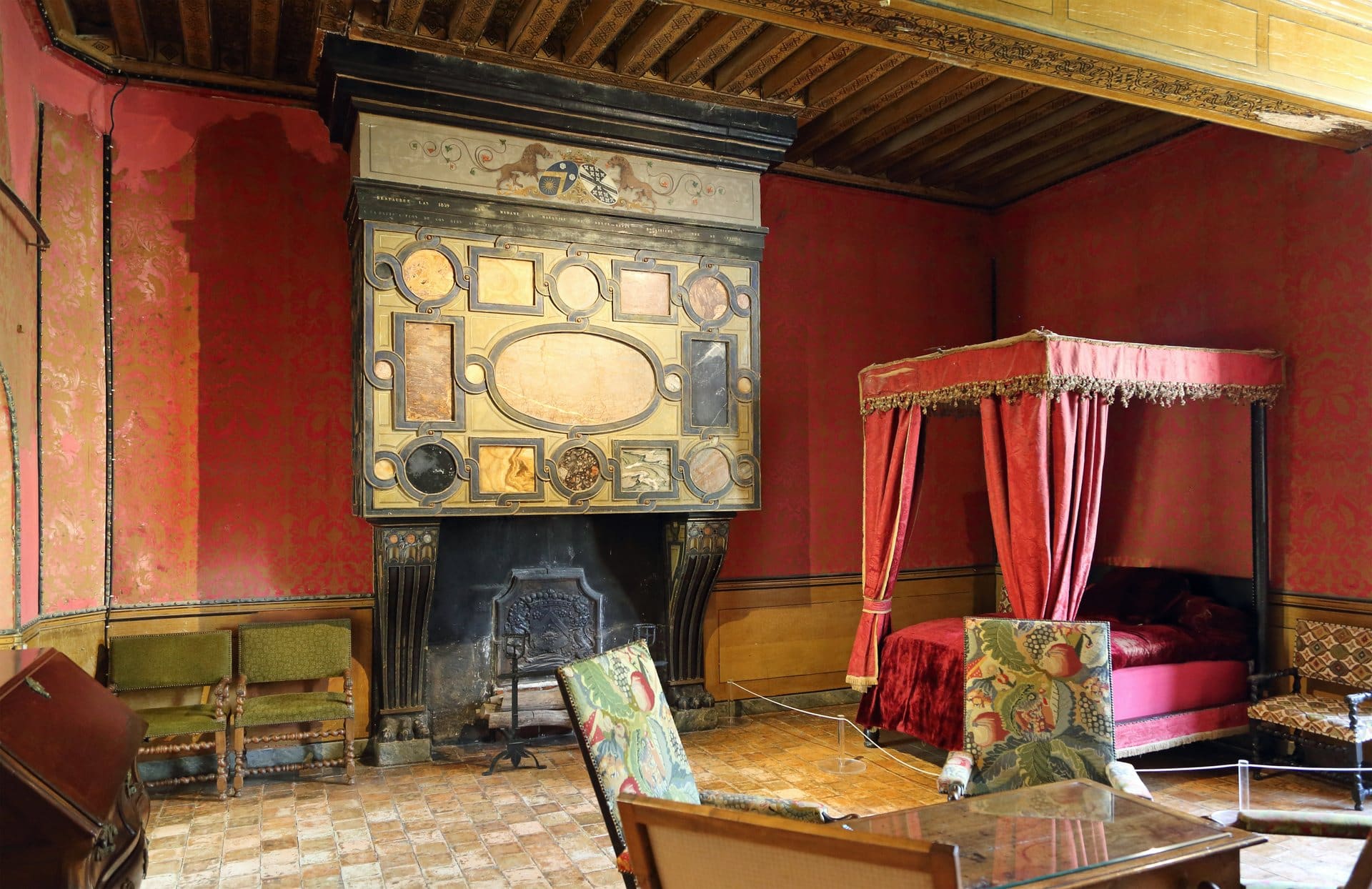
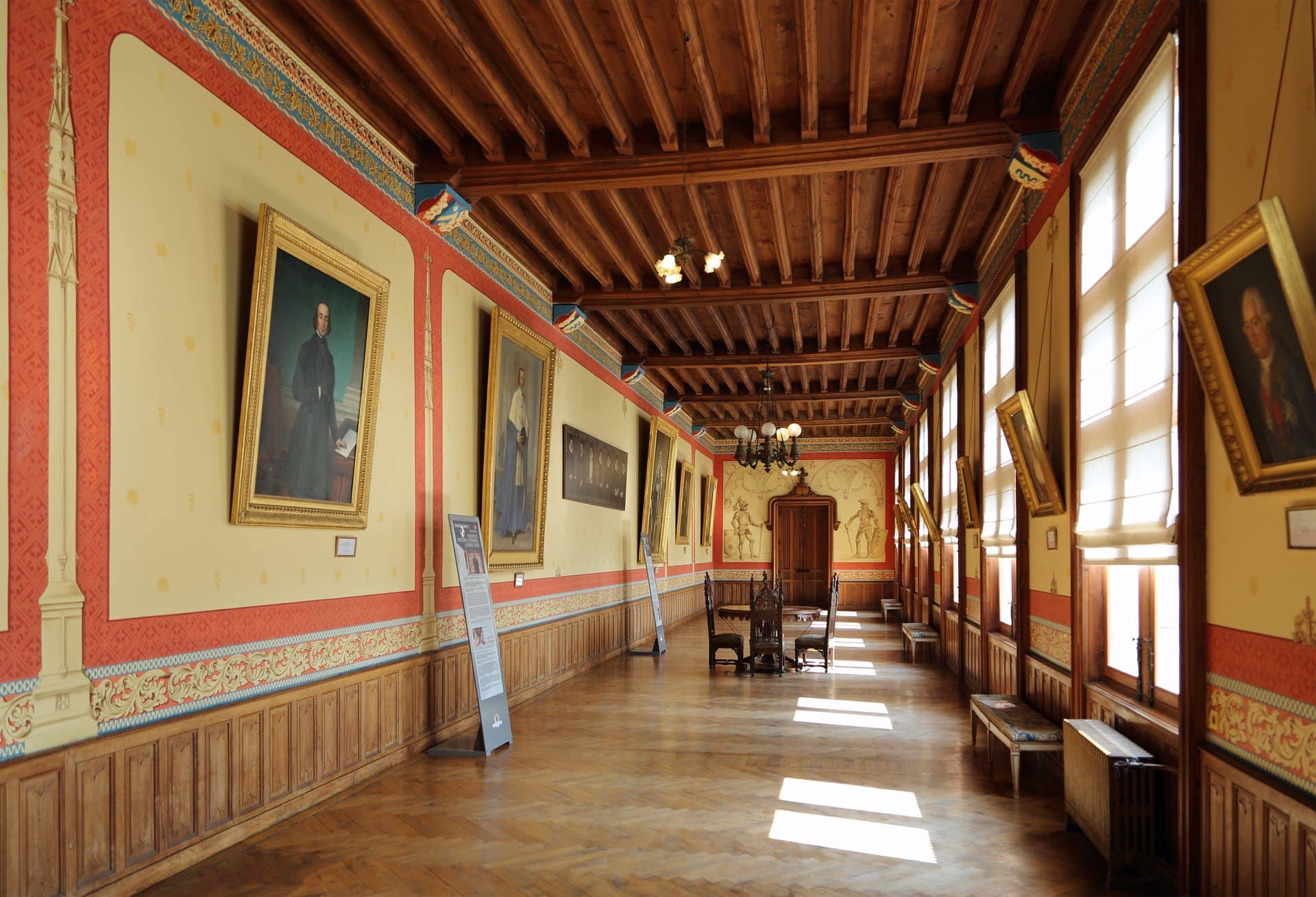
Peace and the nineteenth century turned the Dreux-Brézé from courtiers into builders. Around 1820 the marquis and his wife, Adélaïde de Custine, extended the main Renaissance wing, and in 1838 a fashionable decorator, Charles Cicéri, dressed a dining room in the new flamboyant neo-Gothic taste. From the 1850s the family commissioned the Angevin architect René Hodé to remake the château wholesale. Hodé recast two of its three wings, the Great Gallery, the clock tower, and the outer fronts in the pinnacled, storybook Gothic that gives Brézé its skyline today. The result is the pale, spiky silhouette that greets visitors now, a Renaissance house in nineteenth-century fancy dress, above a fortress far older than either.
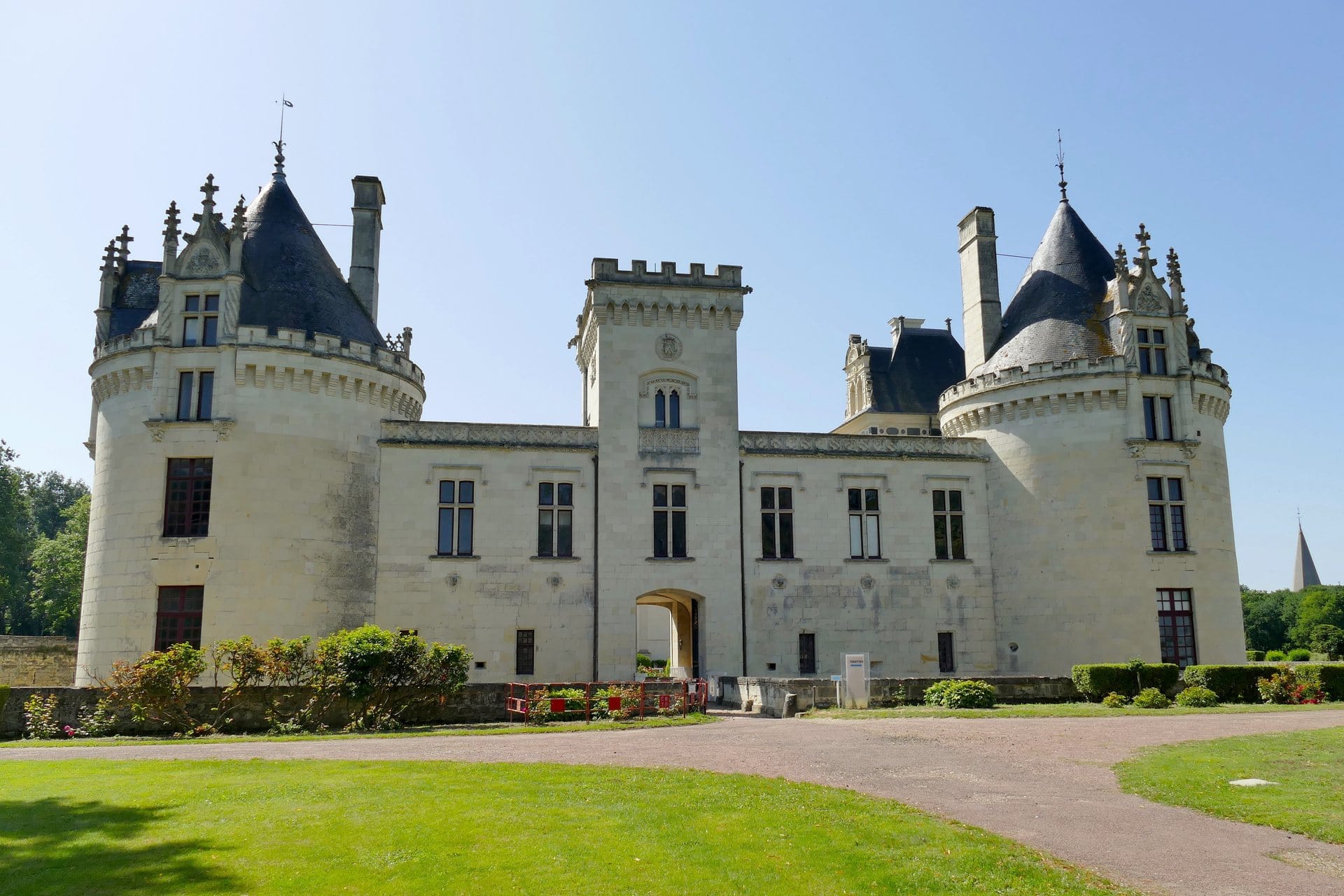
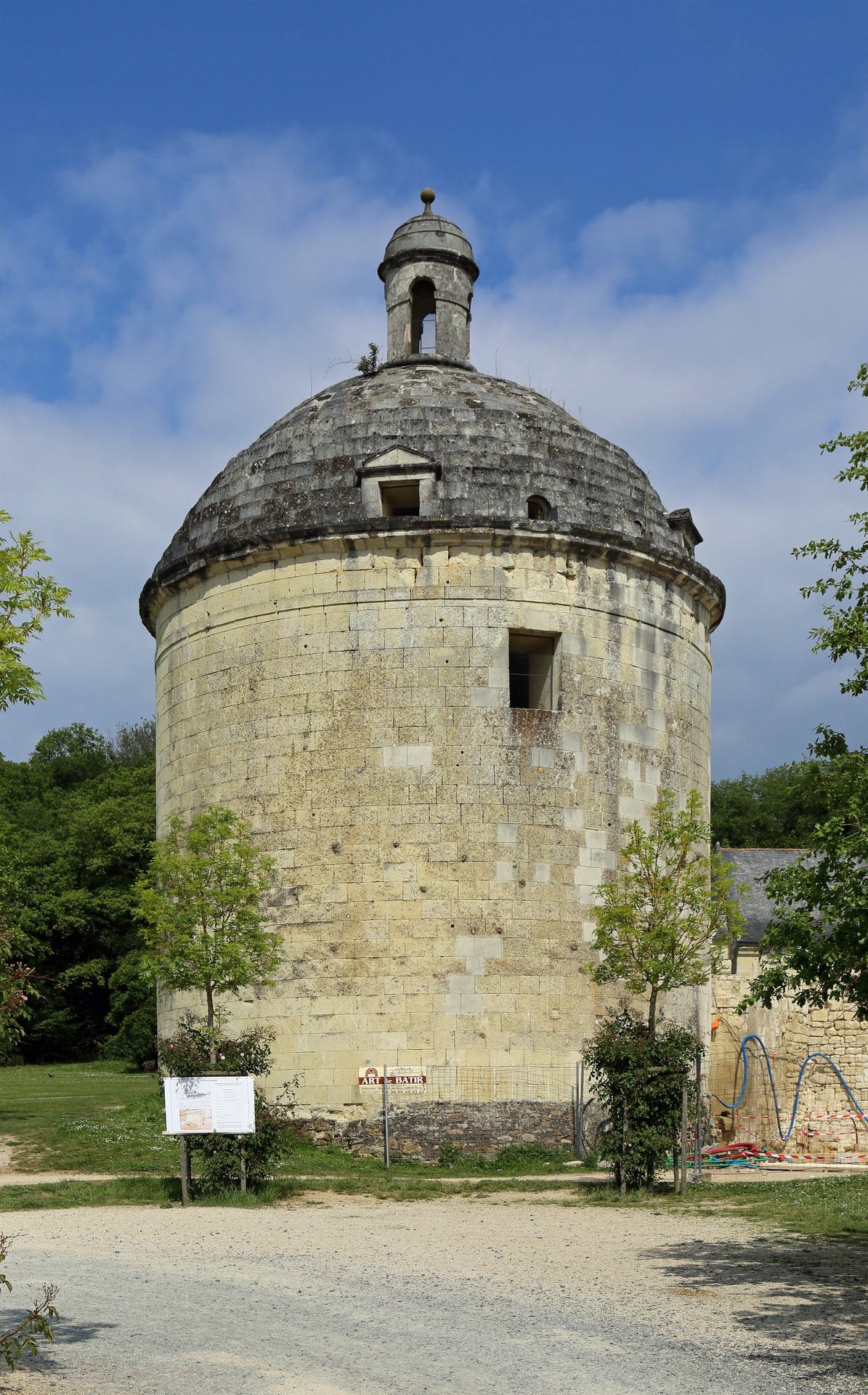
The line held Brézé until 1959, when the château passed by marriage to the Colbert family, the owners today. It was listed a monument historique in 1979, its façades and roofs, its moats and bridge, its great dovecote, and several of its finest rooms placed under the protection of the state.
Visiting Château de Brézé
Château de Brézé lies about ten kilometers south of Saumur, an easy detour from the main Loire route, and it draws more than 100,000 visitors a year. Saumur sits on the Nantes-to-Tours railway, about twenty minutes from Angers, and from the town it is a short drive south to the gate, where there is parking. The estate opens across most of the year, with shorter hours in winter, so check the official website before setting out. A self-guided visit runs about an hour and a half, a guided tour roughly fifty minutes.
A full visit takes in both castles: the furnished neo-Gothic rooms and painted galleries above, then the long descent into the moat and the underground fortress below, where the galleries, the bakery, the stables, and the great cellars are lit for the tour. The rock keeps a steady twelve degrees Celsius whatever the season, so bring a warm layer and sturdy shoes. At the end of the route the estate’s wines are usually available to taste and buy.
Saumur, with its own white château above the Loire, makes the natural base for a day that includes Brézé, and GetYourGuide lists guided tours, tastings, and river trips around the town that pair easily with the visit.
Some links on this page are affiliate links, which means StoneKeep Atlas may earn a small commission, at no extra cost to you, if you book through them.
More Views of Château de Brézé
Beyond Château de Brézé
Brézé pairs most naturally with its nearest neighbor, the Château de Saumur, the white castle of the Très Riches Heures just ten kilometers north. From there the great châteaux of the Loire open out in every direction: the fairy-tale Château d’Ussé, the moated jewel of Château d’Azay-le-Rideau, the garden masterpiece of Château de Villandry, the royal fortress of Château de Chinon, and the tapestried stronghold of Château d’Angers. For the wider picture, our guide to the châteaux of the Loire Valley sets these houses in one journey along the river. Farther up the valley, the Château de Langeais preserves a fifteenth-century royal fortress and the hall where Anne of Brittany was married.
Conclusion
Most castles wear their history on the outside. Brézé keeps its greatest work hidden, and rewards the visitor who is willing to go down for it. Above ground it is a handsome curiosity, a Renaissance château dressed by the nineteenth century in pinnacles and pale stone. Below, it is something rarer: a whole fortified household carved into the rock, deep enough to hold a garrison and a harvest, ringed by a moat that plunges out of sight. Few places make the medieval instinct for security so physical, or the ingenuity of building in living stone so plain. For all the fame of its grander Loire neighbors, Brézé offers an experience none of them can, the chance to walk clean through a castle and out the other side of the hill.
Principal Sources
- Château de Brézé. Official site (history, underground château, visiting). chateaudebreze.com.
- Ministère de la Culture. Château de Brézé, notice Mérimée PA00108988 (classé MH 6 March 1979). pop.culture.gouv.fr.
- Saumur Val de Loire Tourisme. Château de Brézé. ot-saumur.fr.
- Vignobles de Colbert. Château de Brézé wines. vignobles-colbert.com.
- Vins de Loire. Saumur and Coteaux de Saumur appellations. vinsdeloire.fr.
A note on sources: opening times, admission, and prices change with the season, so confirm them on the official site. The construction chronology and the Maillé-Brézé, Condé, and Dreux-Brézé descents here follow the château’s own period histories and the Mérimée notice, cross-checked against regional heritage sources.
Image credits. Aerial view of Château de Brézé and its dry moat: Carles / Adobe Stock; The white tuffeau façade of Château de Brézé: Richard Semik / Adobe Stock; A 1699 drawing of Château de Brézé before its Gothic remaking: Drawing: Louis Boudan, Bibliothèque nationale de France; public domain, via Wikimedia Commons; A tower rising from the dry moat of Château de Brézé: memory87 / Adobe Stock; A lamplit underground gallery beneath Château de Brézé: Stolkin / Adobe Stock; The underground wine cellar of Château de Brézé: Richard Semik / Adobe Stock; Portrait of Urbain de Maillé, marquis de Brézé: Painted by Jérôme-Martin Langlois, 1835; public domain, via Wikimedia Commons; Portrait of Claire-Clemence de Maille-Breze, Princesse de Conde: Attributed to Henri and Charles Beaubrun; public domain, via Wikimedia Commons; The neo-Gothic entrance front of Château de Brézé: rysan34 / Adobe Stock; Château de Brézé above its vineyard: Pecold / Adobe Stock; Wide view of the Château de Brézé façade: galaad973 / Adobe Stock; The great dovecote of Château de Brézé: Marc Ryckaert, CC BY-SA 4.0, via Wikimedia Commons; The troglodyte bakery beneath Château de Brézé: Gerd Eichmann, CC BY-SA 4.0, via Wikimedia Commons; A rock-cut chamber in the underground château of Brézé: Gerd Eichmann, CC BY-SA 4.0, via Wikimedia Commons; An underground wine press at Château de Brézé: Gerd Eichmann, CC BY-SA 4.0, via Wikimedia Commons; A painted neo-Gothic bedchamber in Château de Brézé: Marc Ryckaert, CC BY-SA 4.0, via Wikimedia Commons; A furnished bedchamber in Château de Brézé: Marc Ryckaert, CC BY-SA 4.0, via Wikimedia Commons; The portrait gallery of Château de Brézé: Marc Ryckaert, CC BY-SA 4.0, via Wikimedia Commons. Freely licensed images are resized to fit; otherwise unaltered.